

You are standing in your kitchen, a ripe tomato in hand, and your current knife just squashes it instead of slicing cleanly. We have all been there. That frustrating moment is exactly why choosing the right chef knife matters so much. This guide reviews nine of the best chef knives available today, covering styles from classic German steel to Japanese Damascus, and offers practical advice to help you make a confident purchase. Whether you are a home cook or a professional, we have you covered.
Selecting a chef knife can feel overwhelming with so many options. We have evaluated each knife based on blade material, edge sharpness, handle comfort, and overall value. For beginners, we recommend checking out our guide on the best 8 inch chef knife for beginners for a more focused starting point.





Buying Guide
Blade Material and Steel Quality
The blade’s steel determines its sharpness, edge retention, and corrosion resistance. High-carbon stainless steel is the gold standard, offering a balance of hardness and stain resistance. Japanese knives often use harder steel (HRC 56-58), which holds a finer edge but can be more brittle. German steel tends to be softer, making it more durable and easier to sharpen. For a deeper dive, read our article on the best steel for chef knife.
Edge Sharpness and Geometry
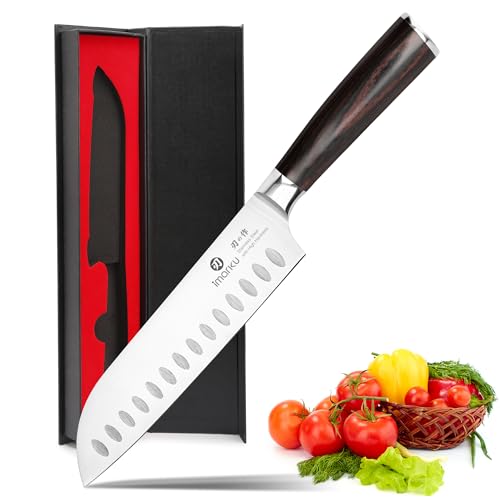
A sharp knife is safer than a dull one because it requires less force. Look for knives with a hand-polished edge between 15 and 18 degrees per side. This angle provides a razor-sharp edge that still withstands everyday use. Some knives feature hollow edges or scalloped designs that reduce friction and prevent food from sticking.
Handle Ergonomics and Balance
A comfortable handle reduces fatigue during long prep sessions. Full tang construction, where the blade extends through the handle, provides excellent balance and durability. Materials like Pakkawood, Micarta, or textured synthetic handles offer a secure grip even when wet. The knife should feel like a natural extension of your hand, not a heavy tool.
Versatility and Blade Length
An 8-inch chef knife is the most versatile size for most home cooks. It handles chopping, slicing, mincing, and dicing with ease. Santoku knives, typically 7 inches, are a popular alternative with a shorter, lighter blade ideal for precision cuts. Consider what you cook most often to choose the right length. For more on Japanese options, see our best Japanese knife sets guide.
Final Thoughts
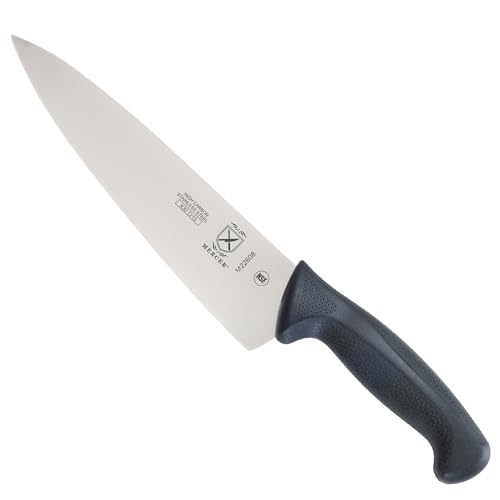
After evaluating nine top contenders, our top recommendation for most home cooks is the Mercer Culinary M22608 Millennia Black Handle for its unbeatable balance of quality and value, while the SHAN ZU Chef Knife 8 Inch Japanese Steel Damascus stands out for those who want a beautifully crafted, ultra-sharp blade that performs like a dream. Whichever you choose, a quality chef knife transforms your time in the kitchen.
Frequently Asked Questions
What is the best chef knife for a beginner in 2026?
For beginners, we recommend the Mercer Culinary M22608 Millennia Black Handle. It offers professional-grade sharpness and ergonomics at an accessible price point, making it easy to learn proper knife skills without breaking the bank.
How often should I sharpen my chef knife?
You should hone your knife with a honing steel before each use to maintain the edge. For sharpening, a full sharpening every 2-3 months is sufficient for most home cooks, though professional chefs may need it monthly.
What is the difference between a chef knife and a santoku knife?
A chef knife typically has a curved blade that allows for a rocking motion, ideal for chopping. A santoku knife has a straighter edge and a slightly shorter blade, excelling at slicing, dicing, and mincing with a more vertical cutting motion. Both are versatile, but your preference depends on your cutting style.
Is a Damascus pattern knife worth the extra cost?
Damascus patterns are often decorative and do not improve performance. However, many high-quality knives with Damascus patterns also feature superior steel and craftsmanship. If you value aesthetics and are willing to pay for it, a Damascus knife can be a beautiful and functional tool. For more on steel types, check our guide on the best steel for chef knife.
