If you live with arthritis, every slice of a tomato can feel like a chore. The stiffness in your knuckles, the ache in your wrist, the struggle to grip a slippery handle, it all adds up. But here’s the good news: the right knife can genuinely change your cooking experience. In this guide, we focus on chef knives that prioritize comfort, balance, and ease of use, so you can get back to enjoying time in the kitchen. We’ve handpicked models with ergonomic handles, lighter blades, and secure grips that reduce strain on your joints.
Whether you’re a home cook or a professional, these knives are designed to work with your hands, not against them. Let’s dive into our top picks and what to look for when shopping.



Buying Guide: What to Look For
When you have arthritis, the wrong knife can turn a simple meal prep into a painful ordeal. Here are the key factors we considered when selecting knives that are gentle on your hands.
Ergonomic Handle Design
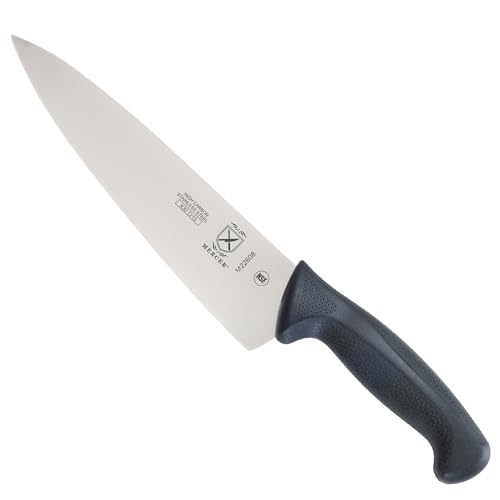
The handle is where you feel the most impact. Look for a knife with a contoured, non-slip grip that fits naturally in your palm. Textured finger points, like those on the Mercer Culinary M22608 Millennia Black Handle, provide a secure hold even when your hands are wet or tired.
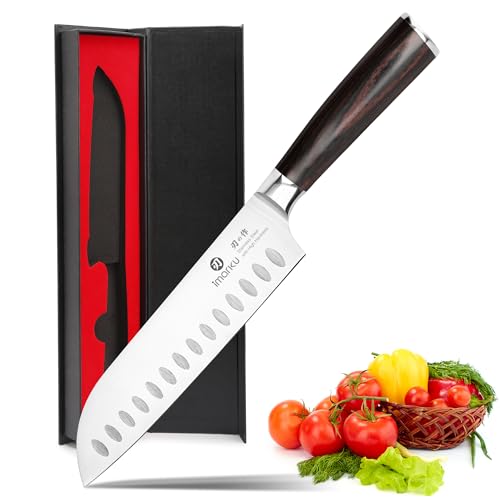
Materials like Pakkawood or resin-impregnated wood offer both comfort and stability. They don’t expand or crack like traditional wood, and they provide a warm, non-slip surface that’s easy on arthritic joints. The imarku knives we reviewed feature such handles, which help minimize wrist tension during extended use.
Blade Weight and Balance
A heavy knife can fatigue your wrist quickly. But too light a blade might not do the work for you, forcing you to press harder. The ideal knife for arthritic hands has a well-balanced weight that feels substantial yet nimble. For instance, the Atumuryou Japanese Chef Knife 8 Inch is designed with a perfect balance point that reduces strain during chopping.
Consider an 8-inch blade, which offers enough length to slice through larger items with less effort, while still being manageable for everyday tasks. A full tang, where the blade extends through the handle, adds stability and helps distribute weight evenly.
Sharpness and Edge Retention
A sharp blade is a safe blade, especially for those with limited grip strength. A razor-sharp edge requires less downward force, so you can cut with a gentle glide rather than a forceful push. High-carbon stainless steel, like the VG-10 core in the Atumuryou knife, holds its edge longer, meaning fewer sharpening sessions and less frustration.
Look for knives with an HRC (Rockwell Hardness) rating of 56-58 or higher. This ensures the blade stays sharp even with regular use. The imarku Japanese Chef Knife, for example, boasts a hardness that makes it twice as tough as standard knives, so you won’t have to work as hard.
Handle Size and Grip Comfort
Everyone’s hands are different, and arthritis can cause swelling or deformities that make standard handles uncomfortable. Choose a knife with a handle that you can grip without stretching your fingers. A slightly larger, rounded handle can be easier to hold than a slim one.
Some knives, like the PAUDIN Chef Knife, 8 Inch High Carbon Stainless, feature an ergonomic wood handle that’s shaped to fit the natural curve of your hand. This reduces pressure points and allows for a relaxed grip, which is crucial when you’re prepping multiple ingredients. If you’re unsure, look for knives with a handle length of at least 4 inches, which provides more room for a comfortable hold.
For more tips on choosing knives that are kind to your hands, check out our guide on top chef knives for chopping vegetables.
Final Thoughts
Choosing the right chef knife can make cooking enjoyable again, even with arthritis. Our top picks are the imarku Japanese Chef Knife-Sharp Kitchen Knife 8 for its exceptional sharpness and comfortable Pakkawood handle, and the Mercer Culinary M22608 Millennia Black Handle for its lightweight, non-slip grip and reliable performance. Both are excellent choices that prioritize your comfort without compromising on quality.
Frequently Asked Questions
What type of knife handle is best for arthritis?
For arthritis, an ergonomic handle with a non-slip, contoured design is best. Look for materials like Pakkawood or resin that provide a warm, secure grip. Handles with finger points or a textured surface can also help reduce strain.
Is a heavier or lighter chef knife better for weak wrists?
A lighter knife is generally easier to control and puts less stress on your wrists. However, a knife that’s too light may require more force to cut. A well-balanced knife, where the weight is evenly distributed, is ideal. The Atumuryou Japanese Chef Knife is a great example of balanced design.
How often should I sharpen my chef knife to maintain ease of cutting?
To keep cutting effortless, sharpen your knife every few months with a honing steel or whetstone. A sharp blade requires less pressure, which is crucial for arthritic hands. High-carbon steel blades, like those in the imarku knives, hold their edge longer, so you may need to sharpen less frequently.
Can a chef knife with a thick handle help with grip issues?
Yes, a thicker handle can be easier to grip if you have limited hand strength or flexibility. It allows you to wrap your fingers around without overextending. The PAUDIN Chef Knife features a comfortable, rounded handle that many users with arthritis find helpful.
For more kitchen comfort tips, explore our guide on cookware materials or see how a good saucepan can simplify your cooking routine.