

You have a pile of vegetables to chop, a busy week ahead, and a budget that does not stretch to a high-end Japanese import. You need a knife that feels sharp, lasts long, and does not cost a small fortune. That is exactly where this guide comes in. We have evaluated six of the most popular chef knives under various price points to find the best chef knife for the money in 2026. Whether you are a home cook or a culinary student, these picks deliver professional performance without breaking the bank. For more cookware essentials, check out our Cookware category.



Buying Guide
Blade Material and Hardness
The blade steel determines how sharp the knife gets and how long it stays that way. High-carbon stainless steel offers a great balance of edge retention and rust resistance. Look for options like Japanese high-carbon steel (10Cr15MoCoV) or VG-10 steel, which can reach hardness levels of 60 HRC or higher. Softer steels around 56 HRC are easier to sharpen but dull faster. For a knife that holds its edge through heavy use, aim for 58 HRC or above.
Hardness also affects how the blade handles tough tasks. A harder blade can be more brittle, so avoid using it on bones or frozen foods. Many of the knives we reviewed use a core of hard steel clad in softer layers for durability. This construction gives you the best of both worlds: a sharp edge and a resilient blade.
Handle Comfort and Grip
A comfortable handle reduces fatigue during long prep sessions. Ergonomically shaped handles with textured finger points or contoured grips help you maintain a secure hold even when your hands are wet or oily. Materials like Pakkawood, stabilized resin wood, or textured polypropylene offer a balance of durability and slip resistance.
You also want a handle that provides good balance. A full tang (where the steel extends through the handle) adds weight and stability. This makes the knife feel more substantial and gives you better control. For more on kitchen tools, see our guide to best large capacity stand mixers for 2026.
Edge Geometry and Sharpness
The angle of the blade edge directly affects cutting performance. A thinner edge (around 12 to 15 degrees per side) slices through food with minimal effort. This is typical of Japanese-style knives. A slightly thicker edge (around 17 to 20 degrees) is more durable and better for heavy chopping. Most home cooks will appreciate a 15-degree edge for its balance of sharpness and strength.
Hand-sharpened edges often provide a more consistent and refined finish than machine-ground blades. Look for knives that are polished to a mirror finish. This reduces friction and helps the blade glide through food. A sharp knife is also safer because it requires less force, reducing the chance of slips.
Versatility and Blade Design
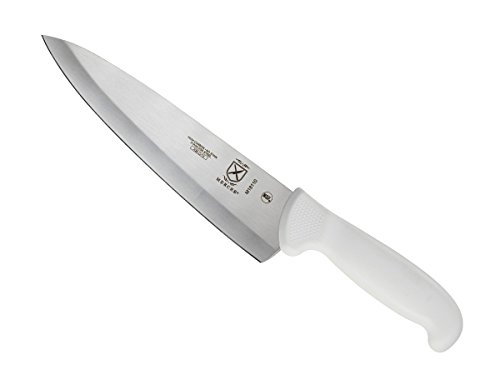
A chef knife should handle a wide range of tasks: chopping, slicing, dicing, mincing, and even some light cleaving. An 8-inch blade is the standard size for most home cooks. It is long enough to cut through large vegetables and meats but short enough for precise work. Some knives feature a curved belly that allows for a rocking motion, which is great for chopping herbs.
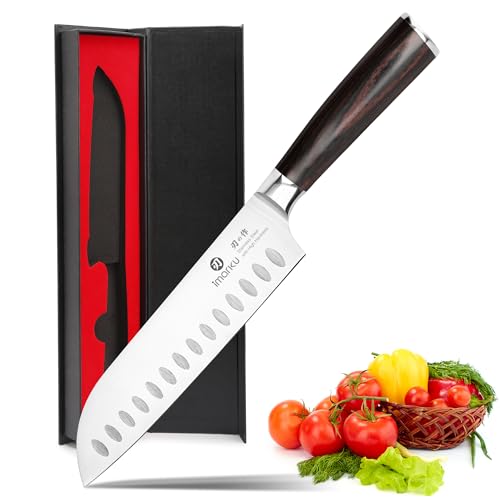
Santoku knives (around 7 inches) offer a flatter edge and a thinner profile. They excel at slicing and dicing but may not rock as well. The best choice depends on your cooking style. If you do a lot of vegetable prep, a Santoku is ideal. For all-purpose use, stick with a classic chef knife. For more on air fryer ovens, see our comparison of breville smart oven air fryer vs cuisinart.
Final Thoughts
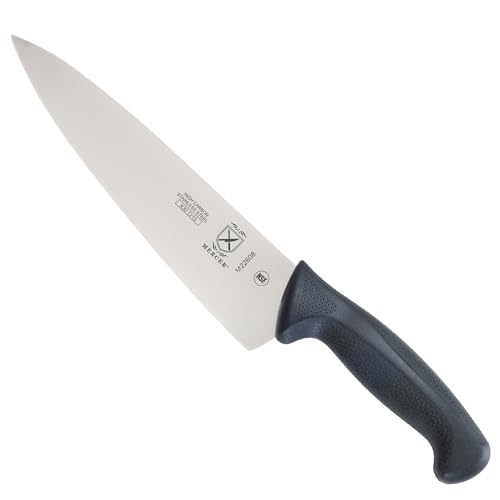
After evaluating all six knives, we are confident that the HOSHANHO Kitchen Knife in Japanese High Carbon offers the best combination of sharpness, durability, and value for most home cooks, with its high-hardness steel and comfortable wood handle. For those on a tighter budget who still want professional performance, the Mercer Culinary M22608 Millennia Black Handle is a fantastic choice, offering reliable edge retention and an ergonomic grip at an incredibly accessible price. Both knives will elevate your cooking experience without emptying your wallet.
Frequently Asked Questions
What is the best chef knife for the money for a beginner?
For a beginner, the Mercer Culinary M22608 Millennia Black Handle is an excellent start. It offers a sharp, durable blade and a comfortable, non-slip handle at a very affordable price. You get professional quality without a steep learning curve or high investment.
How often should I sharpen my chef knife?
You should hone your knife with a honing steel before each use to maintain the edge. For sharpening, once every few months is sufficient for most home cooks, depending on usage. If you cut through tough items frequently, you may need to sharpen more often.
Can I put these knives in the dishwasher?
No, we recommend hand washing all chef knives with warm water and mild soap. Dishwashers can cause blades to dull faster and handles to crack or warp. Drying them immediately after washing prevents rust and keeps them in top condition.
What is the difference between a chef knife and a Santoku knife?
A chef knife typically has a curved blade that allows for a rocking motion, making it great for chopping herbs and mincing. A Santoku knife has a flatter edge and a thinner profile, which excels at slicing and dicing. Both are versatile, but the chef knife is more all-purpose for Western cooking styles.


