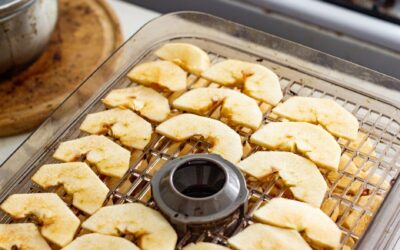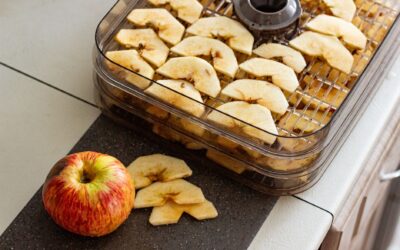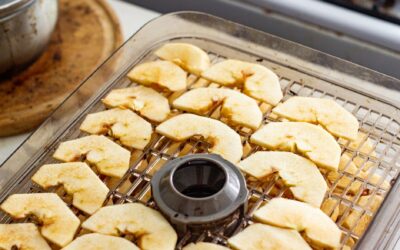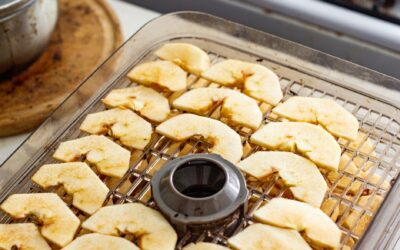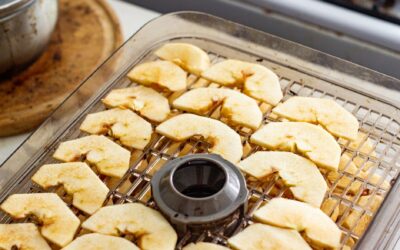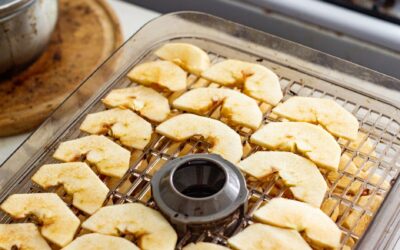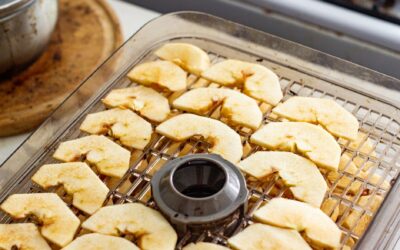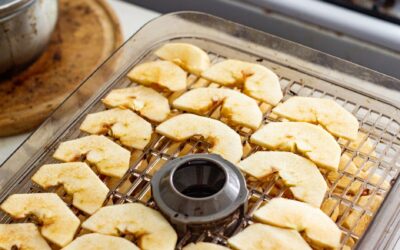
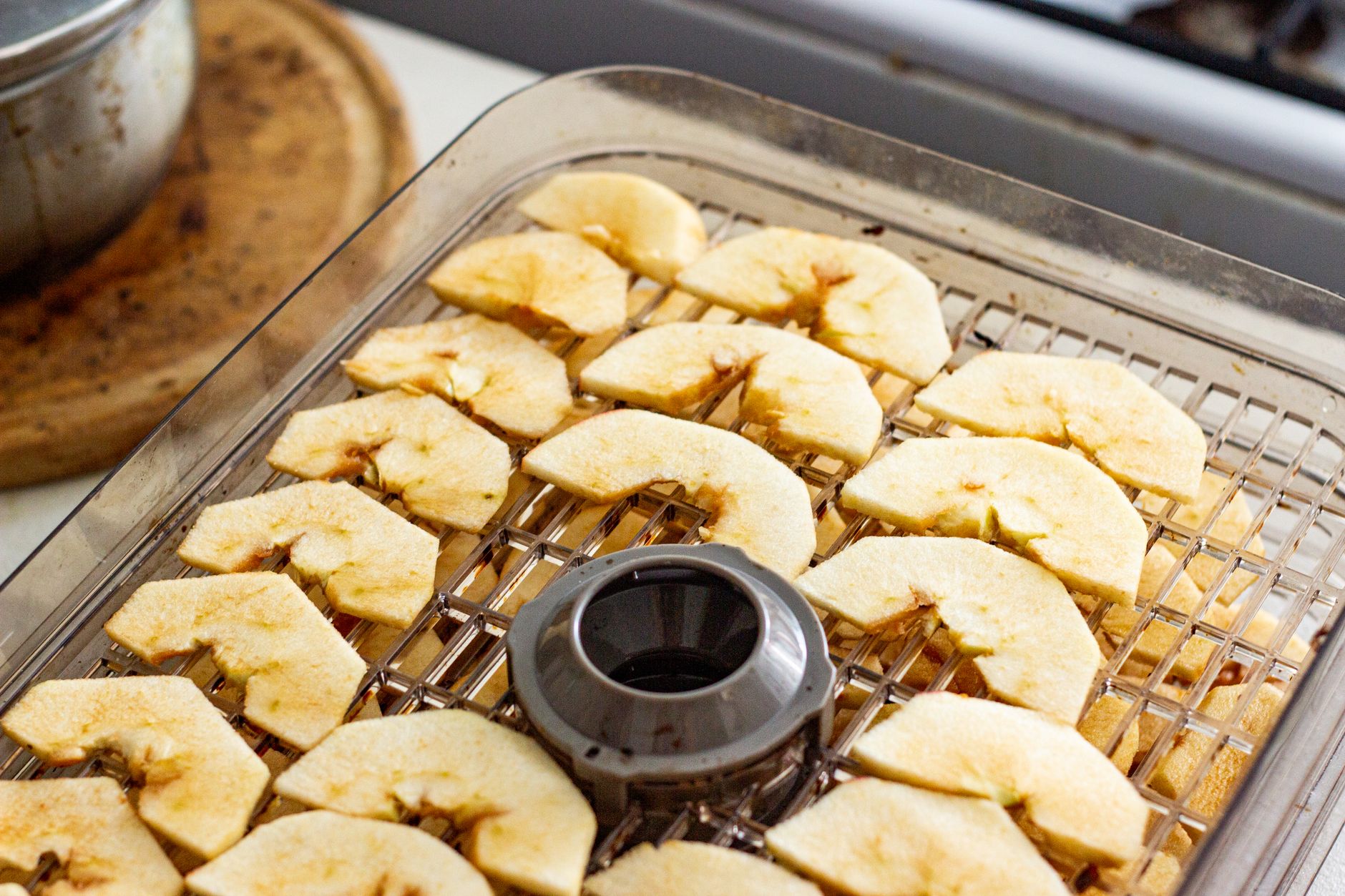
The short answer is yes, you can leave a food dehydrator on overnight, provided you follow basic safety precautions. Most modern dehydrators are designed for continuous operation over many hours, and many recipes require 8 to 12 hours of drying time. However, leaving any appliance running unattended carries some risk, so it’s important to understand the factors that affect safety. This guide covers what you need to know about running a food dehydrator overnight, including potential hazards and best practices.
Safety Features of Modern Food Dehydrators
Most food dehydrators sold today include built-in safety features that make overnight use reasonably safe. These include automatic shut-off timers, overheat protection, and cool-touch exteriors. A timer lets you set the dehydrator to run for a specific number of hours, after which it powers down automatically. Overheat protection ensures the unit shuts off if internal temperatures rise too high, reducing fire risk. Look for these features when choosing a dehydrator if you plan to use it overnight.
Even with these features, you should never rely solely on them. Always place the dehydrator on a heat-resistant, stable surface away from curtains, paper towels, or other flammable materials. Ensure the cord is not damaged and that the outlet can handle the appliance’s wattage without tripping a breaker.
Potential Risks of Running a Dehydrator Overnight
The main risks are fire, electrical failure, and food spoilage. Fire can occur if the dehydrator malfunctions, if it is placed too close to combustibles, or if the heating element comes into contact with grease or food debris. Electrical issues, such as a frayed cord or overloaded circuit, can also cause sparks. Additionally, if the dehydrator stops working mid-cycle (e.g., due to a power outage), food may sit at unsafe temperatures and spoil before you wake up.
To minimize these risks, always start with a clean dehydrator. Remove any food residue that could catch fire. Check the cord and plug for damage before each use. If you have an older or less reliable unit, consider replacing it with a model that has modern safety certifications like UL or ETL listing.
Factors That Affect Overnight Safety
Not all dehydrators are created equal. The wattage, thermostat accuracy, and build quality all play a role. Higher-wattage models generate more heat and may be more prone to overheating if airflow is blocked. Dehydrators with adjustable thermostats allow you to set a lower temperature for overnight drying, which can reduce risk. Box-style dehydrators with a rear fan and heating element are generally considered safer than stackable round models, because they have better airflow and less chance of heat buildup.
Your home’s electrical system also matters. Avoid using extension cords, as they can overheat. Plug the dehydrator directly into a wall outlet, preferably on a dedicated circuit. If you run other high-wattage appliances on the same circuit, the breaker could trip, stopping the dehydrator and potentially ruining your food.
Best Practices for Overnight Dehydration
To safely leave a food dehydrator on overnight, follow these guidelines. First, place the dehydrator on a non-flammable surface like a metal counter or tile floor. Keep it at least a few inches away from walls and other appliances. Ensure the room has good ventilation to prevent moisture buildup, which can affect drying time and safety.
Set a timer for the expected drying time, or use an external smart plug if your dehydrator lacks a built-in timer. This allows you to schedule the dehydrator to turn off before you wake up. Check the dehydrator before bed to confirm it is running normally and that the temperature is stable. If you have smoke detectors, ensure they are working and located near the dehydrator area.
What to Do If You Are Still Unsure
If you are uncomfortable leaving the dehydrator completely unattended, you can take a middle-ground approach. Start the dehydrator early in the evening, run it for several hours while you are awake, and then turn it off before bed. Resume drying the next morning. This splits the total drying time into two sessions, which is acceptable for most fruits and vegetables, though it may slightly extend the overall drying time.
Alternatively, consider using a dehydrator with a built-in timer that allows you to delay the start. You can load the dehydrator before bed and set it to start early in the morning so it finishes while you are awake. This eliminates overnight operation altogether while still giving you a full drying cycle.
Frequently Asked Questions
Is it a fire hazard to leave a food dehydrator on overnight?
It can be if the dehydrator is faulty, placed near flammable materials, or used without safety features. Modern dehydrators with overheat protection and timers reduce the risk significantly, but no appliance is 100% risk-free when unattended.
Do all food dehydrators have an auto shut-off feature?
No, not all models include a timer or auto shut-off. Many basic dehydrators run continuously until you unplug them. If you plan to use yours overnight, look for a model with a built-in timer or use an external smart plug to add that functionality.
Can I leave a dehydrator on overnight if I have pets or children?
Extra caution is warranted. Ensure the dehydrator is placed out of reach and that cords are secured. The exterior can get warm, so a curious pet or child could be burned. A higher shelf or countertop away from traffic is best.
How long can a food dehydrator run continuously?
Most dehydrators are designed to run for 12 to 24 hours without issue, provided they are not overloaded and have adequate airflow. Check your owner’s manual for the manufacturer’s recommended maximum runtime.
Related Guides
Final Thoughts
Leaving a food dehydrator on overnight is generally safe when you use a modern, well-maintained unit and follow basic safety precautions. Always place it on a stable, non-flammable surface, keep it clean, and use a timer if possible. If you are still hesitant, consider splitting the drying time into two daytime sessions. For more tips on using kitchen appliances safely, check out our guide on how to clean a coffee maker, which covers similar maintenance principles that apply to many countertop devices.