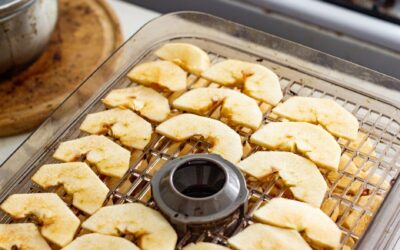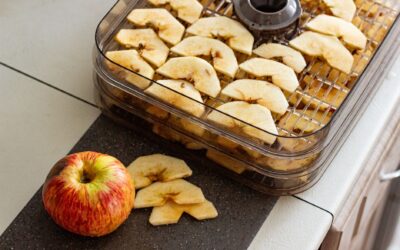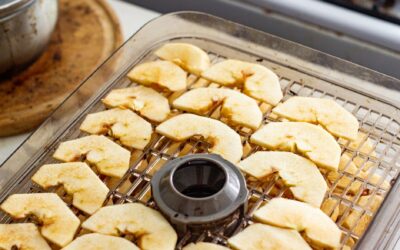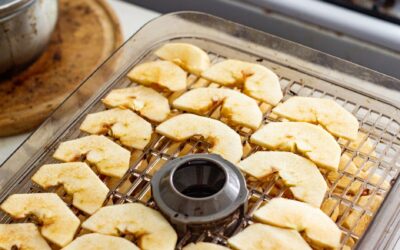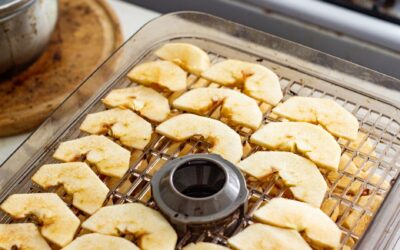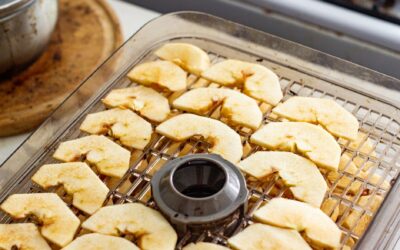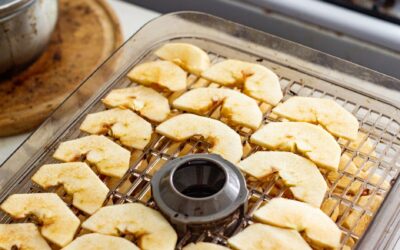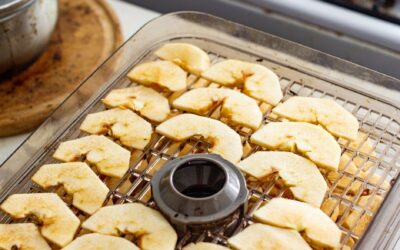
A food dehydrator typically uses between 300 and 1,000 watts per hour, depending on its size, model, and how long you run it. Most home dehydrators operate for 6 to 12 hours per batch, making the total electricity consumption per use roughly 2 to 12 kilowatt-hours (kWh). To put that in perspective, running a 500-watt dehydrator for 10 hours will consume about 5 kWh, which at the average U.S. electricity rate of $0.13 per kWh costs around $0.65 per batch. This answer is a solid starting point, but the actual amount depends on several factors we’ll break down below.

What Determines a Food Dehydrator’s Power Consumption
The wattage rating of your dehydrator is the primary factor. Small, circular dehydrators with a stackable design often use 300 to 600 watts, while larger, box-style units with a fan and heating element can reach 800 to 1,000 watts. The power draw is usually listed on the appliance label or in the manual.
Duration is the second major variable. A batch of jerky might take 4 to 6 hours, whereas fruit leather or herbs can require 12 hours or more. The longer it runs, the more electricity it consumes. Some dehydrators have a thermostat that cycles the heating element on and off, which can reduce average power consumption, but the fan often runs continuously.
How to Calculate the Electricity Cost of Running a Food Dehydrator
To find your exact cost, start with the dehydrator’s wattage. Divide that number by 1,000 to get kilowatts. Multiply by the number of hours you run it to get kilowatt-hours (kWh). Then multiply by your local electricity rate per kWh, which you can find on your utility bill.
For example: A 700-watt dehydrator run for 8 hours uses 5.6 kWh. At $0.12 per kWh, that’s $0.67. You can also use a plug-in power meter to measure actual consumption, especially if your dehydrator cycles the heating element. This method gives you the most accurate figure for your specific unit.
Does the Type of Food Affect Electricity Use?
Yes, indirectly. Foods with high water content, like apples or tomatoes, require longer drying times than low-moisture foods like herbs. This means electricity consumption varies with what you dehydrate. However, the dehydrator’s internal temperature setting also plays a role: lower temperatures for herbs may extend drying time, while higher temperatures for meat can shorten it.
In practice, the difference between drying a batch of apples and a batch of jerky is minimal in terms of total kWh, because the dehydrator runs a similar amount of time. But if you frequently dry large batches of high-moisture foods, your monthly electricity use will be higher than someone who only dries herbs occasionally.
Tips to Reduce Electricity Use When Dehydrating
You can lower your dehydrator’s electricity consumption without sacrificing results. First, preheat the dehydrator for only 5 to 10 minutes before loading, not 30. Second, load the trays fully but without overlapping to maximize airflow efficiency. Third, consider dehydrating during off-peak electricity hours if your utility has time-of-use rates.
Another tip: use a timer to avoid running the dehydrator longer than necessary. Many models have built-in timers, but you can also use an external outlet timer. Finally, clean the fan and vents regularly to ensure optimal airflow, which reduces run time. A clogged unit works harder and uses more power.
How to Fix High Electricity Costs from a Food Dehydrator
- Check your dehydrator’s wattage and compare it to others in its class.
- Use a timer to avoid running it longer than needed.
- Preheat only briefly, and load trays efficiently.
- Dehydrate during off-peak hours if your rate plan allows.
- Clean the unit regularly to maintain airflow.
If you’re concerned about overall appliance energy use, you might find it helpful to compare your dehydrator’s consumption to other kitchen appliances. The process of maintaining a clean, efficient kitchen can also improve your dehydrator’s performance. For general tips on keeping your small appliances in good shape, see our guide on how to clean a coffee maker.
Frequently Asked Questions
Is it expensive to run a food dehydrator?
No, it is generally inexpensive. A typical 8-hour drying session costs between $0.30 and $1.00, depending on your local electricity rate. Compared to a conventional oven, which uses 2,000 to 5,000 watts per hour, a dehydrator is much more energy-efficient.
How many watts does a small food dehydrator use?
Small, stackable dehydrators typically use 300 to 500 watts. These are suitable for small batches and occasional use. Larger box-style units may use 600 to 1,000 watts.
Does a food dehydrator use a lot of electricity if left on overnight?
Leaving it on overnight is safe, but it will use electricity for the full duration. A 500-watt unit running for 12 hours uses 6 kWh, costing about $0.78. Many people do this intentionally, but you can also use a timer to turn it off automatically.
Can I run a food dehydrator on a solar panel?
Yes, if your solar system can handle the wattage. A 300 to 600-watt dehydrator is within the range of many portable solar generators or small home systems. However, you must account for inverter losses and battery capacity if running it at night.
Related Guides
Closing
A food dehydrator’s electricity use is modest, typically costing less than a dollar per batch. By understanding the factors that affect consumption and following a few simple tips, you can keep your energy bills low while enjoying homemade dried foods. For more kitchen appliance insights, check out our article on how to remove coffee maker mineral buildup.