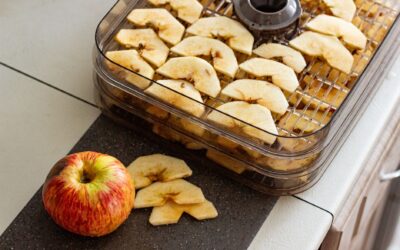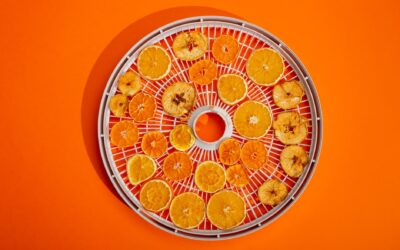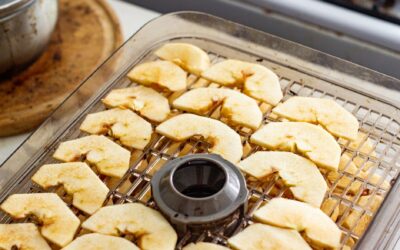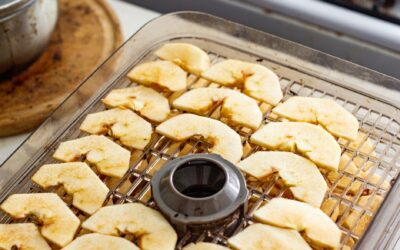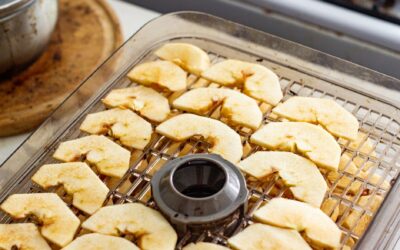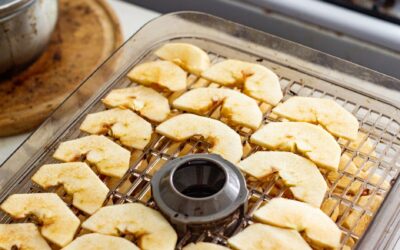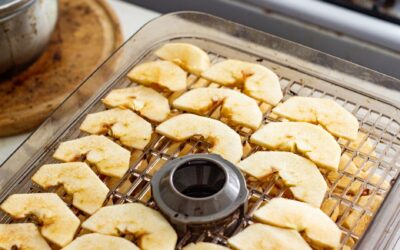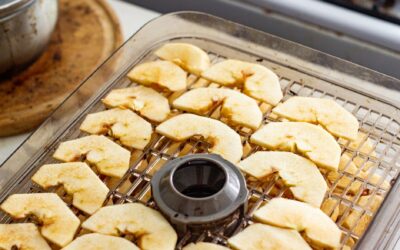
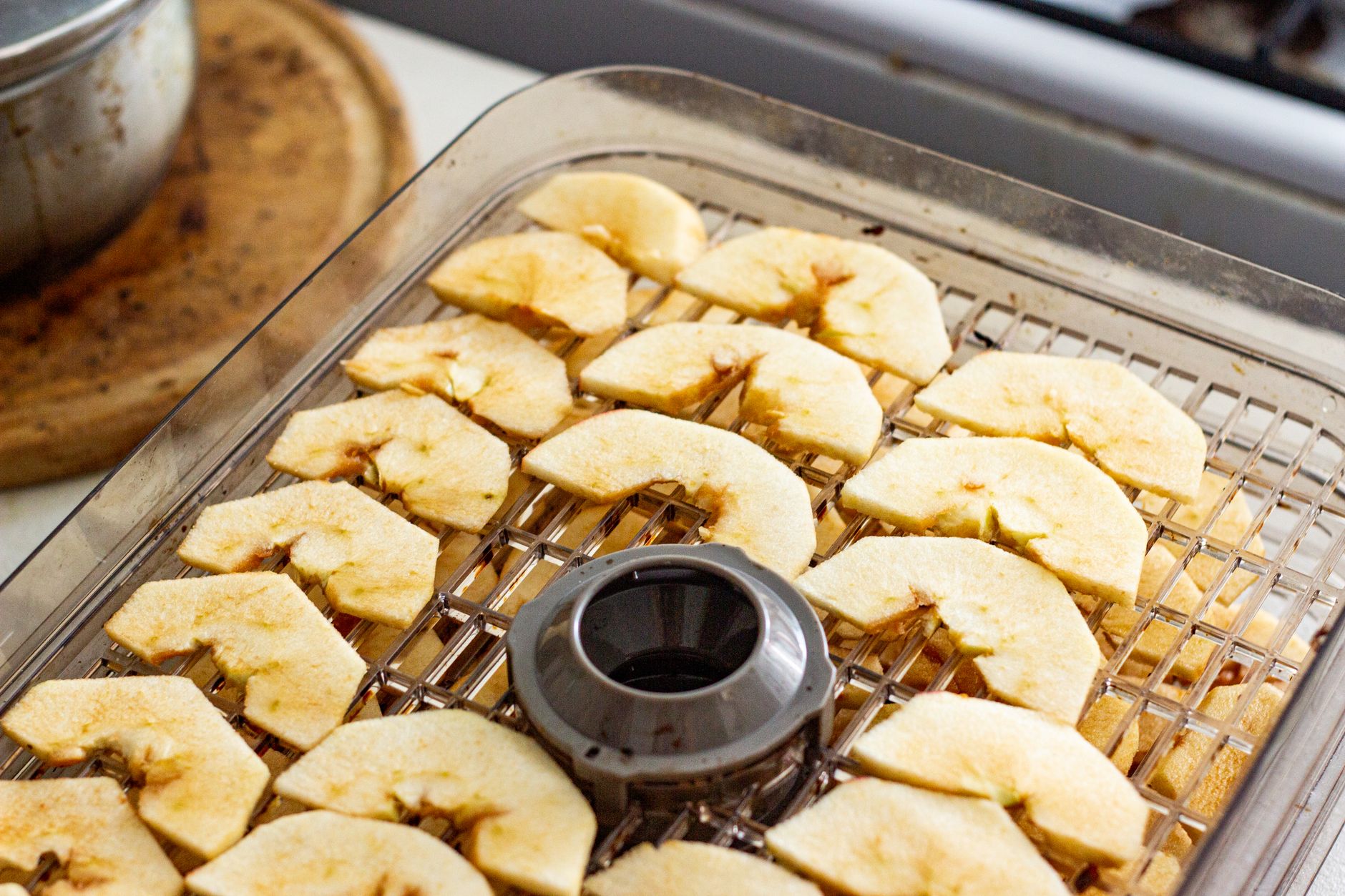
Food sticks to dehydrator trays primarily because of high sugar or acid content, insufficient drying time, or the tray material itself. When you dehydrate fruits like pineapple or mango, the natural sugars caramelize and bond to the tray. Similarly, acidic foods like citrus can react with certain tray surfaces. Understanding why food sticking to dehydrator trays happens is the first step to preventing it.
High Sugar Content in Fruits
Fruits with high sugar content, such as pineapple, mango, and strawberries, are the most common culprits. As the water evaporates, the sugars concentrate and become sticky. When the fruit is fully dry, the sugars can harden and glue the pieces to the tray.
To reduce sticking, try slicing fruit thicker or freezing it first. Freezing breaks down cell walls and releases some moisture, which reduces the sugar concentration on the surface. You can also lightly dust the trays with cornstarch or use a non-stick mesh liner.
High Acid Content in Foods
Acidic foods like citrus fruits, tomatoes, and certain berries can react with metal or plastic trays, causing sticking. The acid can etch the surface or create a chemical bond that makes removal difficult.
Using silicone mats or parchment paper cut to size can create a barrier. However, ensure the paper is safe for dehydrator temperatures (usually below 160°F / 70°C). Avoid metal trays for acidic foods if possible.
Insufficient Drying Time or Temperature
If you remove food before it is fully dried, the remaining moisture can cause stickiness. Under-dried food is still soft and tacky, and it may bond to the tray as it cools. Conversely, drying at too high a temperature can cause the outside to harden while the inside remains moist, leading to sticking.
Follow recommended drying times and temperatures for each food type. A good rule is to dry until the food is leathery or brittle, with no visible moisture when cut. Use a dehydrator with adjustable temperature control for best results.
Tray Material and Condition
The type of tray you use matters. Plastic trays are prone to scratching, which creates rough spots where food can grip. Metal trays conduct heat unevenly and may cause hot spots that caramelize sugars. Solid trays without holes can trap moisture underneath food, increasing stickiness.
Mesh trays or silicone mats allow better airflow and reduce contact points. If your trays are old or scratched, consider replacing them or using non-stick liners. Always clean trays thoroughly after each use to remove residue that can cause future sticking.
Improper Preparation of Food
How you prepare food before dehydrating significantly affects sticking. Slices that are too thin dry quickly and may fuse to the tray. Uneven slices dry at different rates, leaving some pieces sticky. Not patting food dry after washing leaves surface moisture that can cause sticking.
Slice food uniformly, about 1/4 to 1/2 inch thick. Pat dry with a paper towel before placing on trays. For sticky fruits, a quick dip in lemon juice or a light dusting of cornstarch can help. Also, avoid overcrowding trays, as overlapping pieces trap moisture.
Environmental Humidity
High ambient humidity slows down evaporation and can cause food to remain sticky longer. If you live in a humid climate, the air itself may prevent proper drying, leading to sticking. This is especially noticeable when dehydrating in summer or rainy seasons.
Use a dehydrator in a well-ventilated area or run it longer on humid days. Some dehydrators have a fan that helps circulate dry air. You can also pre-dry food in a low oven for a short time to reduce surface moisture before transferring to the dehydrator.
How to Fix Food Sticking to Dehydrator Trays
- Slice food uniformly and pat dry before loading.
- Freeze high-sugar fruits for 30 minutes before dehydrating.
- Use non-stick mesh liners or silicone mats designed for dehydrators.
- Dust trays lightly with cornstarch or powdered sugar for sticky fruits.
- Increase drying time or lower temperature slightly if food is caramelizing.
- Allow food to cool completely before removing from trays.
- Clean trays thoroughly after each use to remove residue.
If you consistently struggle with sticking, consider upgrading to a dehydrator with adjustable temperature and better airflow. For more tips on maintaining your kitchen appliances, check out our guide on how to clean a coffee maker — while not about dehydrators, proper cleaning habits apply to any kitchen tool.
Frequently Asked Questions
Can I use parchment paper in a dehydrator?
Yes, but only if the temperature stays below 160°F (70°C). Parchment paper can withstand moderate heat, but at higher temperatures it may char or release chemicals. Cut it to fit the tray and avoid overlapping.
Why does fruit leather stick to the tray?
Fruit leather sticks because the puree is high in sugar and dries into a thin, flexible sheet. To prevent this, line the tray with a non-stick fruit leather sheet or lightly oil the tray before pouring. Let it cool completely before peeling.
Should I oil dehydrator trays?
Lightly oiling trays with a neutral oil like coconut or canola can help, but use sparingly. Excess oil can become rancid or attract dust. Non-stick sprays are convenient but may leave a residue over time.
How do I clean sticky residue off dehydrator trays?
Soak trays in warm, soapy water for 15-20 minutes to loosen residue. Use a soft brush or sponge to scrub. For stubborn spots, make a paste of baking soda and water, apply, and let sit before scrubbing. Avoid abrasive pads that scratch the surface.
Is it better to freeze fruit before dehydrating?
Freezing fruits like berries and grapes before dehydrating can reduce sticking. The freezing process ruptures cell walls, releasing moisture that would otherwise create a sticky surface. It also helps the fruit dry more evenly.
Related Guides
Final Thoughts
Food sticking to dehydrator trays is usually caused by high sugar, acid, or preparation issues, not the dehydrator itself. By adjusting your slicing, using liners, and controlling drying conditions, you can avoid frustration. For more kitchen troubleshooting, browse our blog for related tips.