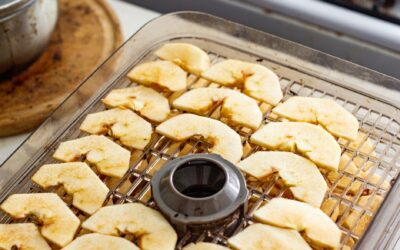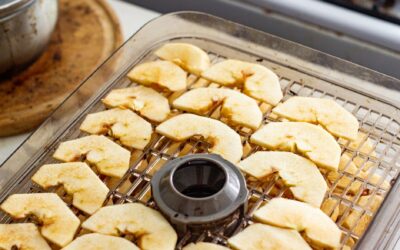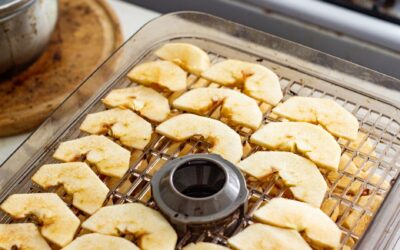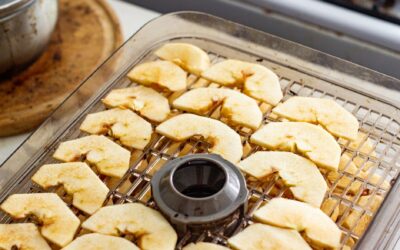
The ideal temperature for a food dehydrator typically falls between 95°F and 165°F (35°C and 74°C), but the exact setting depends entirely on what you are drying. For most fruits and vegetables, a range of 125°F to 145°F works well, while meat for jerky requires at least 145°F to 165°F to ensure food safety. Herbs and delicate greens need lower heat, around 95°F to 115°F, to preserve their oils and flavor. Understanding these general guidelines helps you get consistent results every time you use your dehydrator.
Temperature Ranges by Food Type
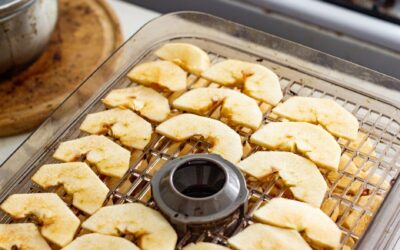
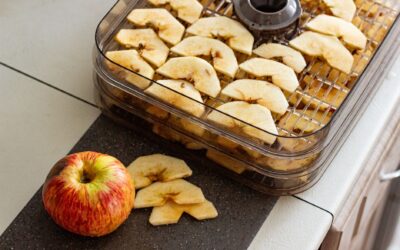
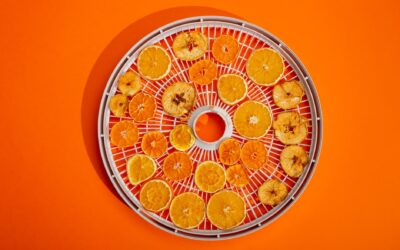
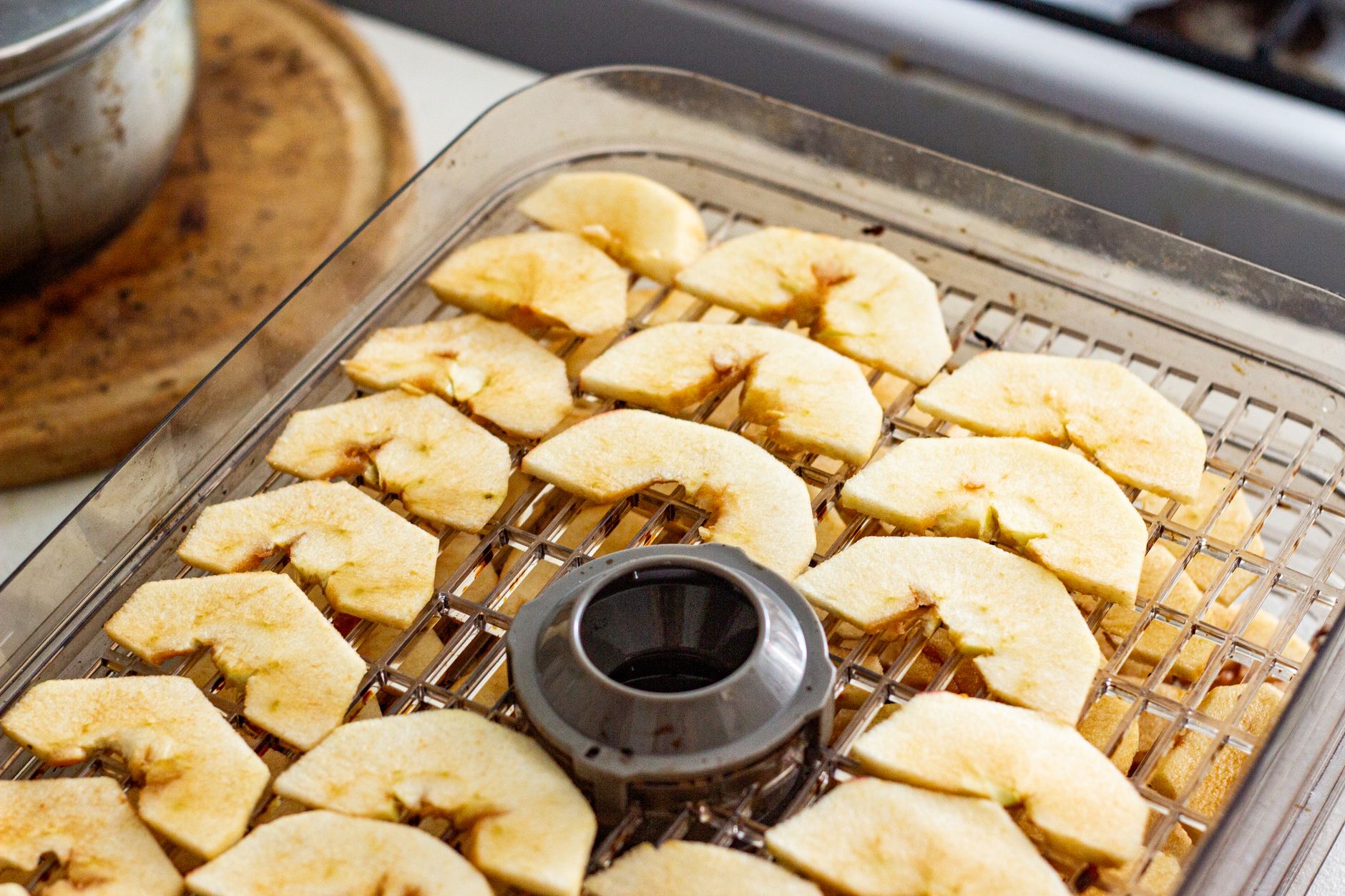
Fruits like apples, bananas, and mangoes dry best at 125°F to 135°F. The moderate heat gently removes moisture without hardening the skin before the inside dries. If you set the temperature too high, the exterior may case harden, trapping moisture inside and leading to spoilage.
Vegetables such as carrots, green beans, and potatoes need a slightly higher temperature, 125°F to 145°F. The extra heat helps break down cell walls and speeds drying. Leafy greens like kale or spinach are more delicate and should be dried at 95°F to 115°F to prevent burning.
Meat and poultry for jerky require the highest temperatures, 145°F to 165°F, to kill bacteria and achieve a safe final product. Dehydrating at lower temperatures increases the risk of foodborne illness because the meat spends too long in the danger zone (40°F to 140°F). Many dehydrator models have a dedicated jerky setting that maintains 155°F or above.
Factors That Affect the Ideal Temperature
The moisture content of the food matters. High water foods like watermelon or tomatoes require lower temperatures (125°F) to avoid cooking the outside while the inside remains wet. Dense foods like sweet potatoes or apples need the higher end of the vegetable range to ensure thorough drying.
Humidity in your environment also plays a role. In a humid climate, you may need to increase the temperature by 5°F to 10°F to compensate for moisture in the air. Conversely, in a dry climate, lower temperatures are fine and may even prevent over drying.
Air circulation is just as important as heat. Even at the perfect temperature, poor airflow leads to uneven drying. Ensure your dehydrator has a fan that moves air across all trays, and avoid overloading the trays.
Food Safety and Temperature Guidelines
For meat jerky, the USDA recommends heating the meat to an internal temperature of 160°F (165°F for poultry) before dehydrating, or using a dehydrator that maintains at least 145°F throughout the process. If you choose raw jerky, you must heat the meat first or use a reliable dehydrator set to 155°F or higher.
Fruits and vegetables are less risky but still require temperatures above 125°F to reduce the chance of mold growth during storage. Dried produce with a water activity level below 0.6 is safe at room temperature, but achieving that requires the correct heat and time.
Herbs and spices are the exception: they are safe at low temperatures because they have natural antimicrobial properties and low water activity to begin with. Drying them too hot destroys volatile oils and reduces flavor.
How to Determine the Right Temperature for Your Food
- Identify the type of food: fruit, vegetable, meat, herb, or fish.
- Check a reliable resource for the exact temperature range (e.g., USDA for meat, extension service for produce).
- Start at the middle of the recommended range and adjust after checking progress at the halfway point.
- Use a food thermometer to verify internal temperature for meat if your dehydrator doesn’t have a sensor.
- Keep a log of time and temperature for future batches to speed up the process.
If you are new to dehydrating, it helps to start with a simple fruit like apple slices at 135°F for about 8 hours. Once you see what properly dried food looks and feels like, you can experiment with other foods and temperatures. For more detailed guidance on choosing a dehydrator and mastering specific drying techniques, check out our sister site’s guide on air fryer drying methods (though air fryers are not dehydrators, they share dry heat principles for certain foods).
Frequently Asked Questions
Can I dehydrate food at 100°F?
Yes, but only for herbs, flowers, or some mushrooms. Most fruits, vegetables, and meats require higher temperatures to dry safely within a reasonable time. Using 100°F for meat or wet produce risks spoilage.
What happens if the dehydrator is too hot?
Excessive heat case hardens the outside of the food, creating a crust that traps moisture inside. The food may appear dry but spoil quickly. It can also cook the food rather than dehydrate it, altering taste and texture.
Do all dehydrators have temperature controls?
No. Some basic models have a single on/off switch with a fixed temperature, often around 145°F. More advanced dehydrators offer adjustable thermostats ranging from 95°F to 165°F. For versatility, look for one with a temperature controller.
How long does dehydrating take at the recommended temperatures?
Times vary widely: fruit slices take 6 to 12 hours, vegetables 4 to 10 hours, jerky 4 to 8 hours, and herbs 1 to 4 hours. Thinner slices dry faster. Check periodically rather than relying solely on the timer.
Is it safe to dehydrate food overnight?
Yes, if you use the correct temperature and your dehydrator has a timer or auto shutoff. Many people dry fruit overnight at 125°F to 135°F. For meat, it’s safer to start early in the day so you can monitor the internal temperature.
Related Guides
Final Thoughts
The right temperature for a food dehydrator depends on the food, usually ranging from 95°F for herbs to 165°F for meat jerky. Choosing the correct heat ensures safe, evenly dried food every time. To dive deeper into dehydrating techniques and equipment, check our related guide on best air fryer for weight loss for tips on dry heat cooking.