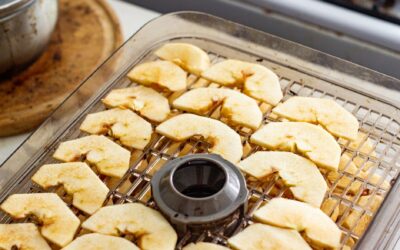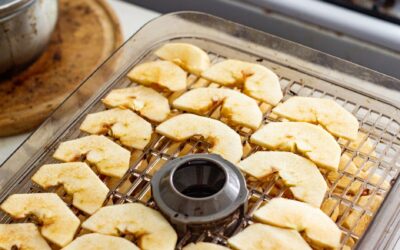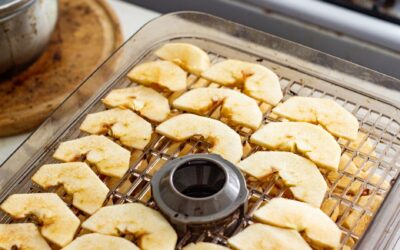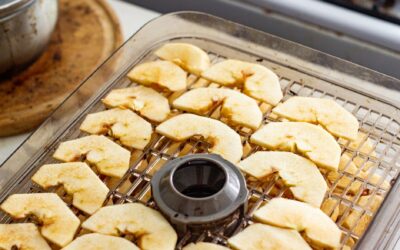
If your food dehydrator is not drying evenly, the most common causes are overloading the trays, inconsistent piece sizes, blocked airflow, and temperature fluctuations. Even a well‐made dehydrator can produce uneven results if you stack too many slices, skip rotation, or dry in a humid room. The good news is that each of these issues has a straightforward fix, and most can be corrected without buying new equipment. Understanding why your food dehydrator is not drying evenly starts with checking how you load and manage the machine.
Overloading the Trays
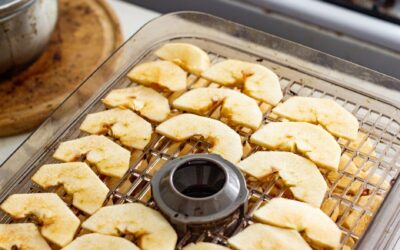
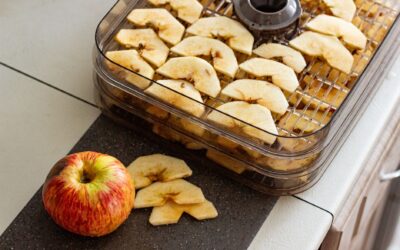
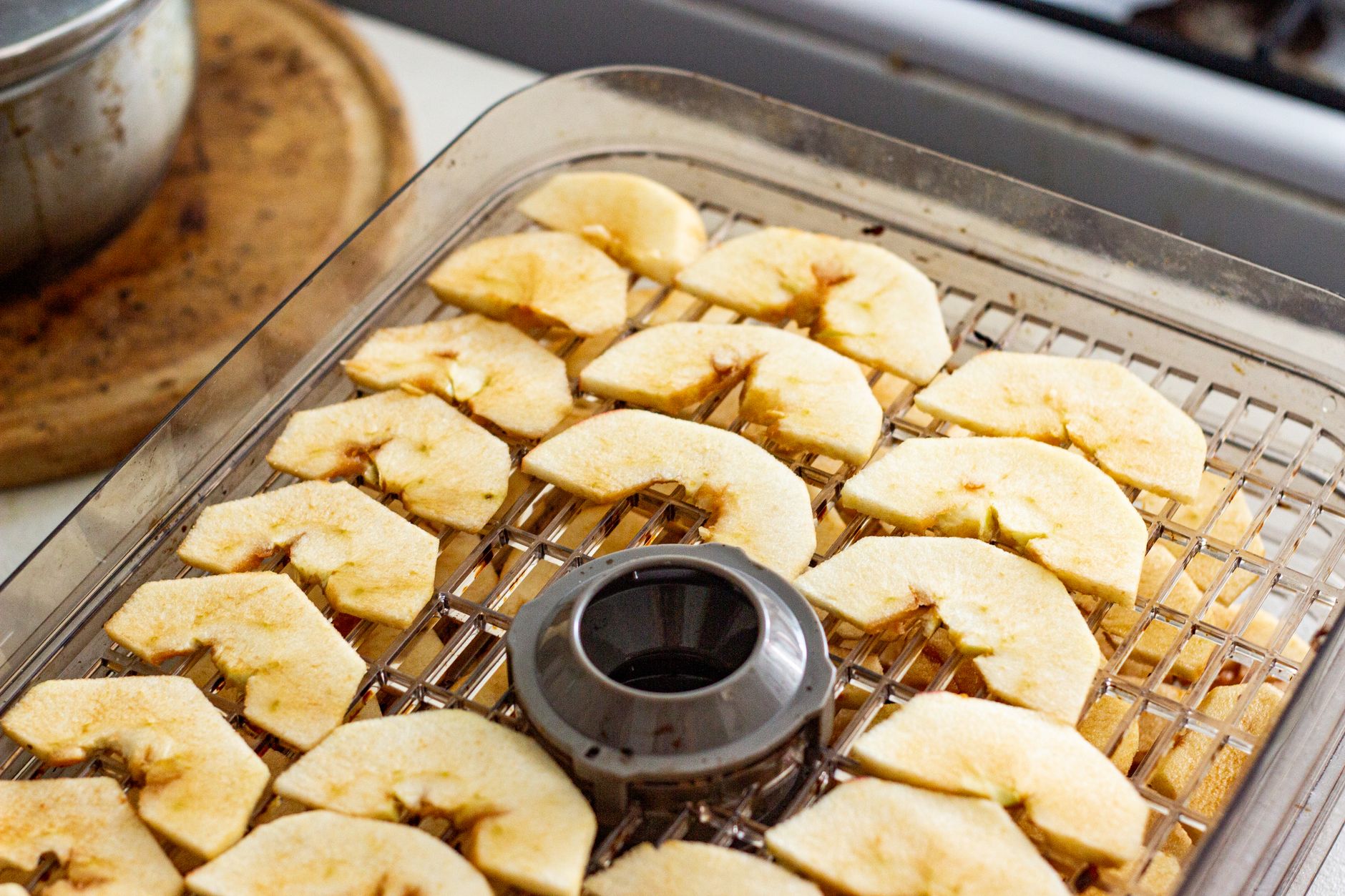
When you pack too many pieces onto a single tray, air cannot circulate between them. The outer slices dry faster, while the ones in the center stay moist. This is the most frequent reason a food dehydrator is not drying evenly. Leave at least a quarter‐inch gap between each piece. If you must dry a large batch, use every tray but keep the load light.
Uneven Piece Sizes
Thicker slices take longer to dry than thin ones, so mixing sizes guarantees uneven results. For consistent drying, cut all pieces to the same thickness, ideally 1/4 to 1/8 inch. A mandoline or a sharp knife helps. Even slight variations in thickness can cause part of the batch to be over‐dried while another part is still damp.
Poor Air Circulation
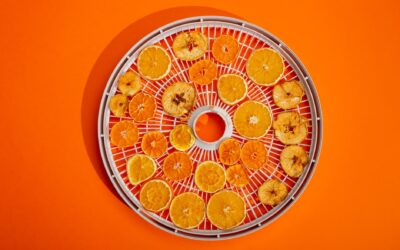
Air must flow freely around every piece. If your dehydrator has a rear fan, rotate trays top to bottom and front to back halfway through the cycle. Stacking trays too close together or blocking the vents with large items also restricts airflow. Some dehydrators have a removable center core that should be used for round trays to allow air to rise.
Temperature Fluctuations
Opening the door or lid too often lets heat escape and lets humid air in, which slows drying and creates unevenness. Most dehydrators need a steady temperature between 125°F and 145°F for fruits and vegetables. If your dehydrator does not hold a consistent temperature, the thermostat may be faulty. Check the manual for a calibration procedure.
High Humidity in the Room
Drying food in a humid basement or kitchen adds moisture back into the air that the dehydrator tries to remove. This makes the machine work harder and can cause uneven drying. Run the dehydrator in a dry, well‐ventilated area. If the room humidity is above 60%, wait for a drier day or use a dehumidifier nearby.
How to Fix a Food Dehydrator That Is Not Drying Evenly
- Load trays with a single layer and leave space between pieces.
- Cut all items to a uniform thickness, ideally 1/4 inch or less.
- Rotate trays every 2 to 3 hours, swapping top and bottom positions.
- Avoid opening the dehydrator door frequently to keep temperature steady.
- Dry in a low‐humidity room and use a dehumidifier if needed.
If you suspect your dehydrator has a mechanical issue, a thorough cleaning of the heating element and fan intake can restore airflow. For more kitchen troubleshooting tips, visit our Blog for guides on appliance care and maintenance.
Related Guides
Frequently Asked Questions
Why are some pieces still moist after a full cycle?
Moist pieces are usually thicker or located in a spot with poor airflow. Cut them smaller and spread them out. Rotating trays mid‐cycle also helps. If the dehydrator runs long enough but still leaves damp spots, the thermostat may be off.
Should I rotate trays during drying?
Yes, rotating trays every 2–3 hours corrects uneven heat distribution. Even if your dehydrator has a fan, the top tray often dries faster than the bottom. Swapping positions ensures all pieces finish at the same time.
Can I dry different foods together in the same batch?
It is not recommended because different foods have different moisture contents and drying times. Mixing apples and tomatoes, for example, can leave some over‐dried and others under‐dried. Dry similar foods together for even results.
Does altitude affect drying evenness?
Yes, at higher altitudes water boils at a lower temperature, so drying happens faster. But the lower air pressure also means less moisture removal per hour. Adjust by reducing the load and increasing drying time slightly. Check doneness more often.
A food dehydrator not drying evenly is almost always a user‐adjustable issue, not a machine defect. Focus on uniform loading, consistent temperature, and good airflow. For more appliance troubleshooting guides, explore the Blog for additional tips on keeping your kitchen tools in top shape.