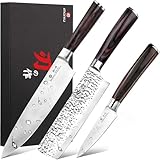
You are standing in your kitchen, ready to slice through a perfectly cooked brisket or dice an onion for a stir fry. The knife you reach for can make or break the experience. This guide compares two essential kitchen knives: the versatile chef knife and the specialized carving knife. Whether you are a home cook or a barbecue enthusiast, understanding their differences helps you choose the right tool for your tasks. For more on top chef knives, check out our expert picks for chef knives under $100.


Buying Guide
Blade Shape and Purpose
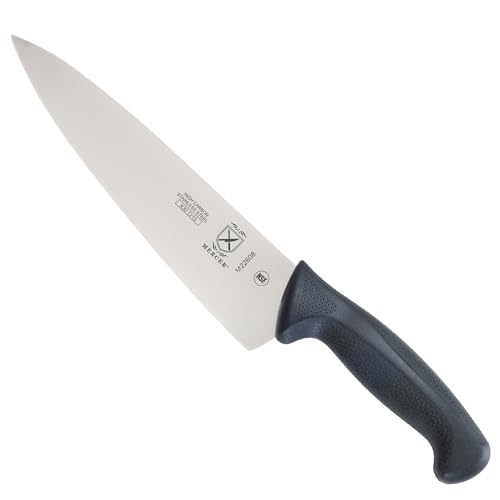
The chef knife features a curved blade that rocks on a cutting board, making it ideal for chopping herbs, dicing vegetables, and mincing garlic. Its versatile shape handles a wide range of kitchen tasks. In contrast, the carving knife has a long, narrow, and straight blade with a pointed tip, designed for slicing thin, even cuts of meat like turkey, roast, or brisket. The carving knife excels at precision slicing without tearing the meat fibers.
Blade Length and Maneuverability
A standard chef knife blade is 8 inches long, offering a good balance of control and cutting surface for most tasks. The carving knife typically features a longer blade, often 12 inches or more, which allows you to slice through large roasts or briskets in a single stroke. The longer blade requires more space and care but provides superior leverage for even cuts. For more on knife sets, see our top chef knife sets with roll bag.
Steel Quality and Edge Retention
Both knives use high-carbon stainless steel for durability and rust resistance. The chef knife in this comparison is forged from high-carbon stainless steel with a satin finish, while the carving knife uses premium German steel with a Rockwell hardness of 56+. The carving knife also features a Granton edge (small divots along the blade) that reduces friction and prevents meat from sticking, making it especially effective for slicing roasted meats. The chef knife relies on a traditional smooth edge that works well for general cutting.
Handle and Comfort
The chef knife has a full tang with three rivets and a semi bolster, providing good weight and balance for extended use. The carving knife features an ergonomic pakkawood handle that is triple riveted for a secure grip, even when wet. Both designs prioritize comfort, but the carving knife’s handle is specifically shaped for prolonged slicing tasks. For more cookware essentials, visit our cookware category page.
Final Thoughts
If you need a single knife for everyday kitchen tasks like chopping vegetables, mincing herbs, and slicing fruits, the Amazon Basics Classic 8-inch Full Tang High Carbon chef knife is an affordable and reliable choice. However, if you frequently cook large roasts, briskets, or turkeys and want thin, even slices without tearing, the Cutluxe Brisket Knife, 12″ Carving & Slicing Knife offers specialized performance with its razor-sharp Granton edge and ergonomic handle. Both knives serve distinct purposes, so choose based on your primary cooking style.
Frequently Asked Questions
Can a chef knife be used for carving meat?
Yes, a chef knife can carve meat, but its curved blade may produce uneven slices compared to a dedicated carving knife. For large roasts or briskets, a carving knife yields thinner, more uniform cuts. For more on top chef knives, see our expert picks for chef knives under $100.
What is the best knife for slicing brisket in 2026?
A carving knife with a long, narrow blade and Granton edge is ideal for slicing brisket. The Cutluxe carving knife excels at this task due to its razor-sharp edge and non-stick blade design. This tool ensures clean cuts every time.
How do I maintain a chef knife vs a carving knife?
Both knives require hand washing and immediate drying to prevent rust. Use a honing steel regularly to maintain the edge, and sharpen with a whetstone or professional service as needed. The carving knife’s Granton edge may need extra care to keep the divots clean.
Which knife is more versatile for everyday cooking?
The chef knife is more versatile for everyday cooking, handling tasks like chopping, dicing, mincing, and slicing fruits and vegetables. The carving knife is specialized for slicing meats and is less suited for general prep work. Most home kitchens benefit from having both.