You are standing in your kitchen, a pile of vegetables waiting to be diced, and your current knife just is not cutting it. The blade feels dull, the handle is slippery, and every chop is a struggle. You need a chef knife with the best steel for chef knife performance, one that holds its edge and makes prep work a joy. This guide is for home cooks and aspiring chefs who want a reliable, sharp blade without breaking the bank. We have evaluated seven top contenders, from budget-friendly options to premium Japanese steel knives, to help you choose. For more on getting started, check out our guide on the best 8 inch chef knife for beginners.





Buying Guide
Steel Type and Hardness
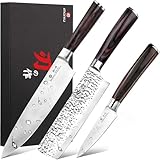
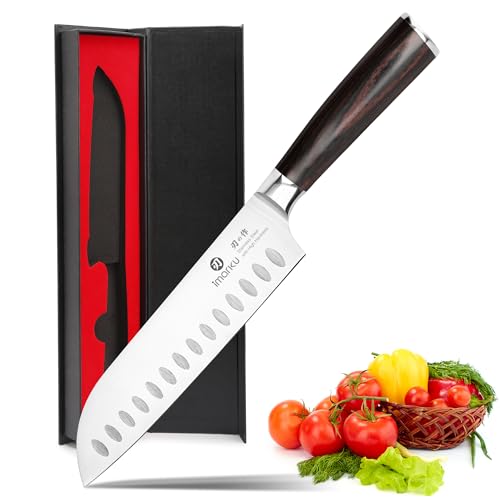
The steel composition determines a knife’s edge retention and ease of sharpening. High carbon stainless steel, like the 0.6-0.75% carbon found in the imarku Japanese chef knife, offers superior hardness and corrosion resistance. Japanese steel, often with 56-58 HRC, stays sharp longer but can be harder to hone. For most home cooks, a balance of hardness and ease of maintenance is ideal.
Look for blades with a high carbon content for durability. Stainless steel with added chromium, like 16-18%, resists rust and staining. The SHAN ZU Damascus knife uses high carbon super steel, providing a sharp edge that lasts through heavy use. For more on kitchen essentials, see our best cookware sets for the money ceramic guide.
Blade Design and Edge Geometry
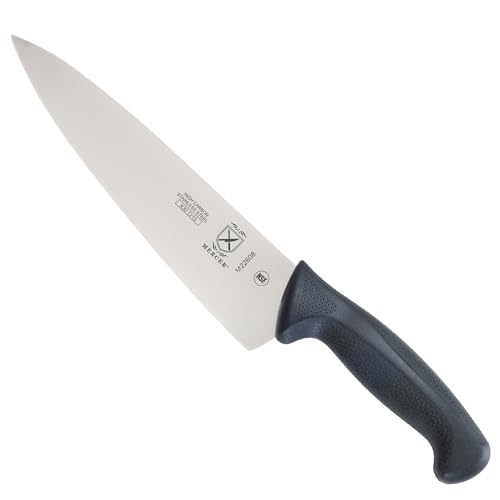
The blade’s shape and edge angle affect cutting performance. A 15-18 degree edge per side, as seen on the imarku Santoku, delivers razor-sharp precision. Hollow edge designs, with scalloped divots, reduce friction and prevent food from sticking, making them ideal for slicing vegetables and fruits. A full tang, like on the Amazon Basics knife, adds weight and balance, improving control during chopping.
Consider the blade thickness: 2mm to 2.5mm is common for chef knives. Thinner blades excel at precise slicing, while thicker ones handle denser ingredients. The PAUDIN chef knife has a 2mm thickness, balancing sharpness with strength. If you cook with induction, you might also like our top non stick pans for induction stoves.
Handle Ergonomics and Comfort
A comfortable handle reduces fatigue during long prep sessions. Pakkawood, used by imarku, is a stable, sanitary material that resists cracking. Ergonomic shapes, like those on the PAUDIN knife, provide a secure grip for all hand sizes. Look for handles with three rivets for durability, as seen on the Amazon Basics knife.
The handle should feel balanced with the blade. A semi-bolster design, like on the Amazon Basics, adds weight and allows full blade access for sharpening. For more tips, visit our Cookware category page.
Final Thoughts
Choosing the best steel for chef knife comes down to your cooking style and budget. For a versatile, high-performance blade that excels at slicing and dicing, the imarku Santoku Knife 7 Inch with Sharp Japanese offers exceptional sharpness and a comfortable Pakkawood handle. If you prefer a classic Western chef knife with a full tang and solid balance, the Amazon Basics Classic 8-inch Full Tang High Carbon is a reliable, affordable choice that handles everyday tasks with ease. Both knives use high carbon stainless steel, ensuring long-lasting performance in your kitchen.
Frequently Asked Questions
What is the best steel for a chef knife?
High carbon stainless steel is widely considered the best steel for chef knives in 2026. It combines the edge retention of carbon steel with the rust resistance of stainless steel, making it ideal for home cooks. Look for blades with 0.6-0.75% carbon content for optimal hardness.
How do I maintain a high carbon stainless steel knife?
Hand wash your knife with mild soap and dry it immediately. Avoid dishwashers, as they can damage the blade and handle. Regularly hone the edge with a steel rod and sharpen with a whetstone when needed. For more care tips, see our Best Sellers page for top-rated knife accessories.
Is Japanese steel better than German steel for chef knives?
Japanese steel, like the high carbon super steel in SHAN ZU knives, is typically harder and holds a sharper edge. German steel is often more durable and easier to sharpen. The choice depends on your preference: Japanese for precision slicing, German for heavy-duty chopping.
What does “full tang” mean in a chef knife?
A full tang means the blade steel extends through the entire handle, providing better balance and strength. Knives like the Amazon Basics 8-inch have a full tang with three rivets, ensuring the handle stays secure even with heavy use. This design is preferred for durability and control.