🔥 Black Friday Kitchen Deals 2026: picks worth watching →
You are ready to elevate your home cooking, and nothing transforms your prep work like a sharp, well-balanced blade. But the world of Japanese knives can feel intimidating, with talk of high-carbon steel, Damascus layers, and specific edge angles. This guide cuts through the noise to present the best entry level Japanese chef knife options for 2026, each chosen for its quality, value, and user-friendly design. Whether you are a weekend warrior or a budding home chef, these knives offer a genuine upgrade without overwhelming your budget.
We have evaluated dozens of contenders, focusing on steel composition, handle comfort, and overall craftsmanship. Our picks range from a single workhorse blade to versatile sets, ensuring you find the perfect starting point for your kitchen. If you are also looking to build a complete toolkit, you might find our best professional chef knife set guide useful for expanding your collection.




Buying Guide: What to Look for in an Entry Level Japanese Chef Knife
Steel Type and Hardness
The steel determines the blade’s sharpness and durability. Japanese knives often use high-carbon stainless steel, which balances edge retention with rust resistance. Look for terms like VG10 or 10Cr15CoMoV; these indicate a quality core that holds a fine edge. Hardness, measured on the Rockwell scale (HRC), typically ranges from 58 to 62 for entry-level knives. A higher HRC means sharper edges that stay sharp longer, but the blade can be more brittle.
For a beginner, a knife with an HRC around 60 offers a great sweet spot. It provides excellent sharpness for slicing vegetables and boneless meats while remaining tough enough for everyday use. Avoid knives with a hardness above 64 for your first Japanese blade, as they require more careful handling and specialized sharpening.
Blade Construction and Design
You will encounter terms like Damascus and Kurouchi. Damascus blades feature layered steel that creates a beautiful pattern and can enhance toughness. Kurouchi finishes retain a dark, forged look that reduces food sticking. For an entry-level knife, both are more about aesthetics and corrosion resistance than pure performance. A simple, high-quality stainless steel blade is often the most practical and affordable choice.
Consider the blade length as well. An 8-inch chef’s knife is the most versatile for most home cooks, handling everything from dicing onions to slicing chicken. A 6-inch utility knife offers more maneuverability for smaller tasks. If you are unsure, start with an 8-inch blade; it is the standard for a reason. For more on building a budget-friendly kitchen, see our guide on types of cookware on a budget.
Handle Comfort and Ergonomics
A knife is an extension of your hand. The handle should feel secure and comfortable, even after extended use. Japanese knives often feature wooden handles, such as rosewood or magnolia, which are lightweight and absorb moisture. Western-style handles are often made of synthetic materials like Pakkawood or resin, offering durability and a balanced feel.
Pay attention to the handle shape and bolster. A full tang (where the steel extends through the handle) provides better balance. An ergonomic design with a slight contour helps reduce hand fatigue. If possible, hold the knife before buying, but at minimum, read reviews about grip comfort. A well-designed handle makes a significant difference in your cutting precision and enjoyment.
Edge Angle and Sharpness
Japanese knives are known for their acute edge angles, typically 12 to 15 degrees per side. This allows for incredibly clean cuts with minimal effort. A hand-sharpened edge is often superior to a machine-sharpened one, as it is more precise. For a beginner, a knife that comes razor-sharp out of the box is a huge advantage.
Keep in mind that a thinner edge is more delicate. Avoid using your Japanese chef knife on bones, frozen foods, or hard squash. With proper care, the edge will last a long time. When it does need sharpening, use a whetstone or a quality pull-through sharpener designed for finer edges. For more tips on knife care, you might enjoy our le creuset dutch oven review for ideas on complementary cookware.
Final Thoughts
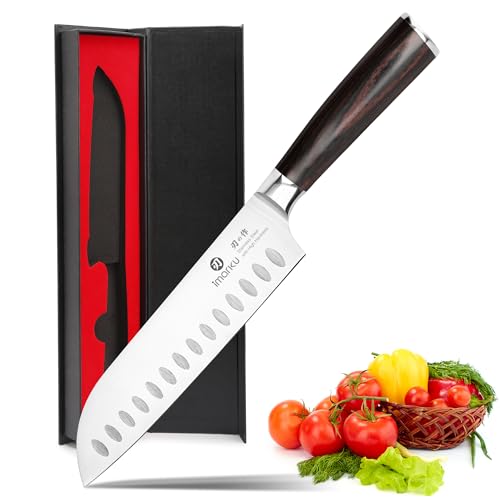
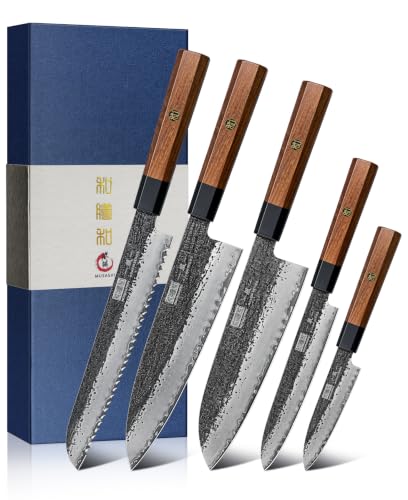
Choosing your first Japanese chef knife is an exciting step in your cooking journey. For a versatile, high-performance single blade that feels like a professional upgrade, the HOSHANHO Kitchen Knife in Japanese High Carbon offers exceptional value with its premium steel and ergonomic handle. If you prefer a complete set to cover all your prep needs from day one, the HOSHANHO 5 Pieces Knife Set provides a curated selection of essential knives in one elegant package. Both options deliver the sharpness and precision you are looking for, helping you cook with more confidence and joy.
Frequently Asked Questions
What is the best entry level Japanese chef knife for a beginner?
For most beginners, the SHAN ZU Chef Knife 8 Inch Japanese Steel Damascus is a fantastic starting point. It offers a high-carbon steel core, a beautiful Damascus finish, and a very affordable price, making it a low-risk way to experience the benefits of a quality Japanese blade. Its 8-inch length is versatile for daily tasks.
How do I care for an entry level Japanese chef knife?
Hand wash your knife with mild soap and dry it immediately after use. Never put it in the dishwasher, as the heat and moisture can damage the blade and handle. Store it in a knife block, on a magnetic strip, or with a blade guard. Regularly hone the edge with a ceramic rod and sharpen it on a whetstone when it feels dull, typically every few months with regular use.
Is a Damascus steel knife worth it for a beginner?
Damascus steel knives are visually stunning and can offer enhanced toughness due to the layering process. For a beginner, they are not necessary, but they are a wonderful upgrade if you appreciate craftsmanship and aesthetics. Many entry-level Damascus knives, like the SHAN ZU model, are very affordable and provide excellent performance, making them a worthwhile investment for both function and form.
If you are looking to explore other high-quality kitchen tools, check out our guide on best imarku Japanese chef knife for another popular option.
Can I use a Japanese chef knife for cutting bones or frozen food?
No, you should avoid using a Japanese chef knife on bones, frozen foods, or hard squash. The thin, hard edge is designed for precision slicing of soft to medium-hard ingredients like vegetables, fruits, and boneless meats. Using it on hard items can chip or roll the edge. For heavy-duty tasks, keep a separate, more robust knife, such as a Western-style chef’s knife or a cleaver.