You are standing in your kitchen, staring at a dull, heavy knife that struggles to slice a tomato cleanly. You know a great blade can transform your cooking, but with so many options, choosing the right one feels overwhelming. This guide is here to help you navigate the world of best Japanese chef knife brands, whether you are a home cook or a professional looking to upgrade your tools.
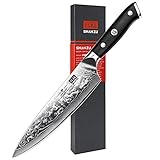
We have evaluated dozens of knives across the market, focusing on blade steel, handle comfort, and overall craftsmanship. In this review, we break down top picks from brands like imarku, SHAN ZU, and PAUDIN, so you can find a knife that feels like an extension of your hand. Let’s sharpen your skills and your collection.




Buying Guide: What to Look for in a Japanese Chef Knife
Choosing the right Japanese chef knife goes beyond just picking a sharp blade. You need to consider how the knife feels in your hand, how it holds its edge, and what tasks you will use it for most. Here are the key factors we weighed in our evaluation.
Blade Steel and Hardness
The steel composition determines the knife’s sharpness, edge retention, and rust resistance. High-carbon stainless steel, like the 5Cr15Mov used in many models, offers a great balance of durability and ease of maintenance. Look for a Rockwell hardness rating of 56 or higher for blades that stay sharp longer.
Japanese knives often use harder steel, which allows for a thinner, sharper edge. However, harder steel can be more brittle, so consider how you plan to use the knife. For everyday tasks, a hardness of 56-58 HRC is ideal, as seen in the best quality non stick pans companion tools that also require careful handling.
Handle Design and Ergonomics
A comfortable, secure grip is essential for precision and safety. Pakkawood handles, like those on many imarku knives, offer a warm, stable feel that resists moisture and cracking. Ergonomic shapes that reduce wrist strain are a must, especially for long prep sessions.
Consider the balance of the knife. A well-balanced knife feels natural in your hand, allowing for effortless control. The handle should be smooth, with no sharp edges, and provide a non-slip surface even when your hands are wet or oily.
Blade Geometry and Edge Type
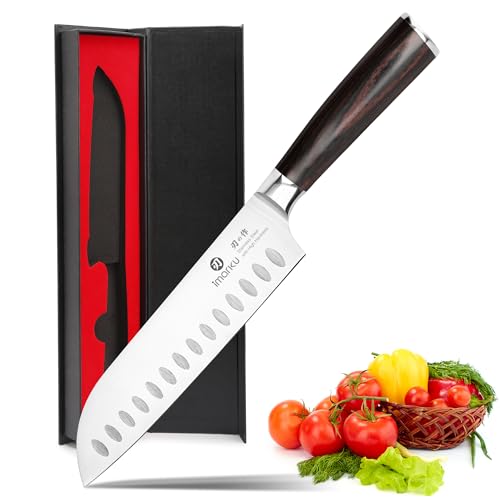
The shape of the blade affects how it cuts. A gyutou (chef’s knife) is versatile, while a santoku is great for slicing, dicing, and mincing. Hollow-edge designs, like those on the imarku Santoku, help prevent food from sticking to the blade, making your prep work faster.
Edge angle also matters. A 15-18 degree edge per side is common for Japanese knives, offering a balance between sharpness and durability. For a knife that will see heavy use, a slightly more robust edge might be preferable, as discussed in our guide to best carbon steel crepe pan which also require precision.
Final Thoughts
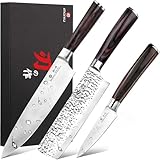
After reviewing the top contenders, the imarku Japanese Chef Knife-Sharp Kitchen Knife 8 stands out as a versatile, high-performance choice for everyday cooks, offering a razor-sharp edge and ergonomic handle that makes it a joy to use. For those who want a complete set with professional-grade versatility, the Brewin CHEFILOSOPHI Japanese Chef Knife Set 5 PCS delivers exceptional quality and value, covering every task from slicing meat to delicate prep work. Both options represent the best Japanese chef knife brands in 2026, ensuring you get a blade that will elevate your cooking for years to come.
Frequently Asked Questions
What is the difference between a Japanese chef knife and a Western chef knife?
Japanese chef knives typically feature harder steel, a thinner blade, and a sharper edge angle (15 degrees) compared to Western knives (20 degrees). This allows for more precise cuts but requires careful handling to avoid chipping. Western knives are often more durable and forgiving for heavy-duty tasks like chopping bones.
How do I maintain a Japanese chef knife?
Hand wash and dry your knife immediately after use to prevent rust. Use a honing rod regularly to keep the edge aligned, and sharpen with a whetstone when needed. Store it in a knife block or on a magnetic strip to protect the blade. For more tips, check our guide on best rated cutting board with juice groove to complement your knife care routine.
Are expensive Japanese knives worth the investment?
Yes, if you cook frequently and value precision, a high-quality Japanese knife is a worthwhile investment. The superior steel and craftsmanship provide better performance and longevity. However, there are excellent budget-friendly options from brands like PAUDIN that offer great value for beginners.
What is the best all-purpose Japanese chef knife for home cooks?
An 8-inch gyutou (chef’s knife) is the most versatile choice for home cooks. It handles slicing, dicing, and chopping with ease. For a more specialized option, a santoku knife is excellent for vegetable-heavy prep. Both styles are available from top brands like imarku and SHAN ZU, and they make great kitchen gifts for mom or any cooking enthusiast.