You’ve just seared a perfect steak, and as you scrape the pan, you notice the non-stick coating starting to flake. It’s a familiar frustration. Non-stick pans often end up in the trash after a few years, while your grandmother’s cast iron skillet is still going strong. This guide explores the real differences in longevity between cast iron and non-stick, helping you make a choice that saves money and reduces waste. We’ll review top cast iron options and provide a clear buying guide.
Whether you’re a home cook or a camping enthusiast, understanding how each material ages is key. We’ll break down the factors that affect lifespan, from seasoning to care routines, so you can invest wisely. For more on how different materials compare, check out our carbon steel pan vs cast iron pan analysis.




Buying Guide: What to Look For in a Long-Lasting Skillet
Material and Build Quality
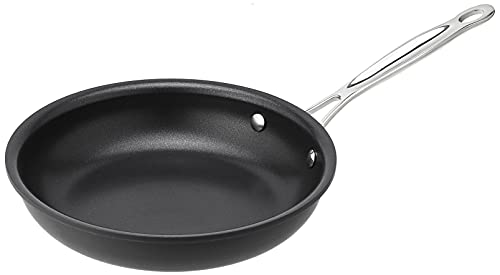
The foundation of longevity lies in the material. Cast iron is virtually indestructible, able to withstand high heat and heavy use. Non-stick pans, typically made of aluminum with a coating, are prone to scratching and peeling. Look for skillets with a thick, heavy base that resists warping.
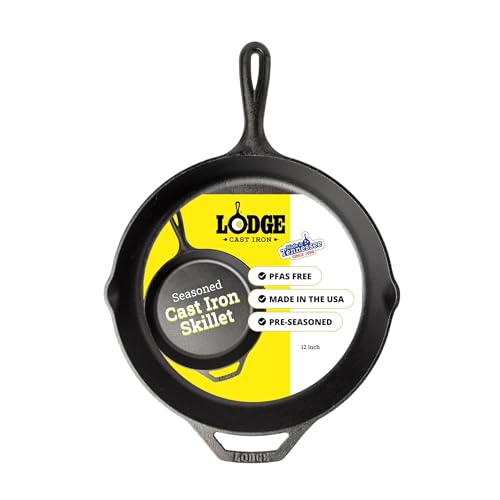
For cast iron, the quality of the casting matters. Brands like Lodge and Utopia Kitchen offer pre-seasoned pans that are ready to use. The EWFEN 12-inch skillet is a great example of a heavy-duty option with a smooth finish for even heat distribution.
Seasoning and Non-Stick Properties
Seasoning is what gives cast iron its natural non-stick surface, and it improves with use. Pre-seasoned skillets, like those from Lodge, come with a layer of vegetable oil baked in. Over time, the seasoning polymerizes, creating a slick, durable surface that rivals any non-stick coating.
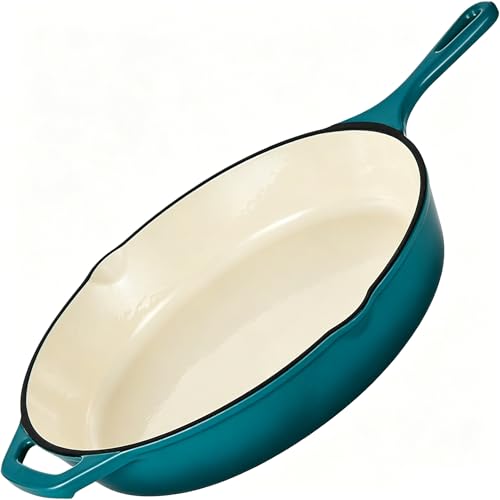
Non-stick pans rely on synthetic coatings like PTFE, which degrade over time and can release harmful fumes at high temperatures. Cast iron, on the other hand, is PFAS-free and safe at any temperature. The Chaoduole enameled cast iron skillet offers a different approach, with a porcelain enamel coating that is easy to clean and doesn’t require seasoning.
Versatility and Maintenance
A long-lasting pan should adapt to your cooking needs. Cast iron excels in versatility: it can go from stovetop to oven to campfire. The MOZUVE 6-inch skillet is perfect for individual portions or camping. Non-stick pans, however, are often limited to low or medium heat and cannot withstand high-temperature searing or oven use above a certain temperature.
Maintenance also affects lifespan. Cast iron requires a bit of care, like drying thoroughly and oiling after each wash, but this is a small price for decades of service. Non-stick pans need gentle handling and frequent replacement. For more kitchen essentials, explore our cookware collection.
Final Thoughts
When it comes to longevity, cast iron is the clear winner, lasting generations if cared for properly. For a reliable everyday pan, we recommend the Lodge Pre-Seasoned Cast Iron Skillet, PFAS-Free for its proven durability and seasoning. If you’re looking for a versatile set, the EWFEN Cast Iron Skillet 3-Piece Set offers excellent value and multiple sizes to cover all your cooking needs. Invest in cast iron, and you’ll never look back.
Frequently Asked Questions
How long does a cast iron skillet last compared to a non-stick pan?
Cast iron skillets can last for decades, even centuries, with proper care. Non-stick pans typically last 2 to 5 years before the coating degrades. In 2026, more cooks are switching to cast iron for its longevity and health benefits.
Why does non-stick coating wear off so quickly?
Non-stick coatings are thin layers of polymer that are susceptible to scratching, overheating, and chemical breakdown. Using metal utensils or high heat accelerates the wear. Cast iron’s seasoning, in contrast, builds up and becomes more non-stick over time.
Is cast iron actually non-stick?
Yes, when properly seasoned, cast iron develops a natural non-stick surface. Pre-seasoned options like the Utopia Kitchen Cast Iron Skillet set are ready to use out of the box. The more you cook, the better the seasoning becomes.
How do I maintain a cast iron skillet to ensure longevity?
After each use, wash with hot water and a stiff brush, dry thoroughly, and apply a thin layer of oil. Avoid soap if possible, and never put it in the dishwasher. This simple routine will keep your skillet in top shape for years. For more tips on easy-to-clean cookware, see our best air fryer toaster oven easy to clean guide.