You’re staring at your kitchen drawer, wondering whether to reach for that heavy cast iron skillet or the lighter nonstick frying pan. It’s a classic dilemma: cast iron promises unbeatable heat retention and a natural nonstick surface that improves over time, while frying pans offer quick heating and easy cleanup. This guide will help you decide which one truly fits your cooking style, whether you’re searing steaks, frying eggs, or baking cornbread.
We’ve evaluated a range of cast iron skillets and compared them against typical frying pan features, focusing on what actually matters in everyday cooking: heat control, versatility, and maintenance. If you’re also curious about how cast iron stacks up against carbon steel, our carbon steel pan vs cast iron pan guide offers a deeper dive into another popular alternative.


Buying Guide: What to Consider
Heat Retention and Distribution
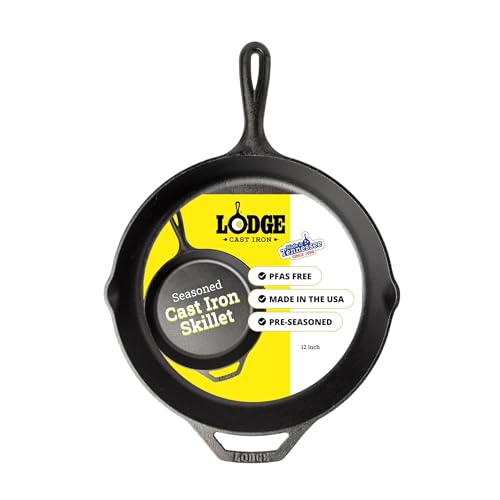
Cast iron is famous for its ability to hold heat, making it ideal for searing and browning. A heavy skillet like the Lodge Pre-Seasoned Cast Iron Skillet, PFAS-Free distributes heat evenly, reducing hot spots that can burn food. Frying pans, especially those with aluminum cores, heat up faster but may not retain heat as well, which can lead to uneven cooking if you’re not careful.
For tasks like frying chicken or making a perfect grilled cheese, cast iron’s heat retention is a game-changer. If you often cook at high temperatures, this characteristic alone might tip the scale.
Versatility: From Stovetop to Oven
One of the biggest advantages of cast iron is its ability to go from stovetop to oven without a second thought. Many models, like the EWFEN Cast Iron Skillet 12 Inch, are oven-safe and even campfire-friendly, making them perfect for baking cornbread or roasting vegetables. Traditional frying pans often have plastic or wooden handles that can’t withstand high oven temperatures, limiting their versatility.
If you love one-pan meals that start on the burner and finish in the oven, cast iron is the clear winner. For quick stovetop-only tasks, a frying pan might be all you need.
Maintenance and Ease of Use
Cast iron requires a bit more care: you need to season it regularly and avoid harsh soaps that strip the seasoning. However, modern pre-seasoned options, like those from Lodge, are ready to use out of the box and become more nonstick with each use. Frying pans, especially nonstick ones, are easier to clean but may lose their coating over time and need replacement sooner.
If you’re looking for low-maintenance cookware, a quality nonstick frying pan might be more your speed. But if you’re willing to invest a little time, cast iron can last generations.
Final Thoughts
In the end, the choice between cast iron and a frying pan boils down to your cooking habits and priorities. For those who value heat retention and versatility, we recommend the Lodge Pre-Seasoned Cast Iron Skillet, PFAS-Free as a dependable everyday workhorse. If you prefer a lighter option that heats quickly and cleans up easily, consider the Utopia Kitchen Cast Iron Skillet 12 Inch, which offers a balance of performance and convenience.
Frequently Asked Questions
Is cast iron better than a frying pan for eggs?
Cast iron can be excellent for eggs once it’s well seasoned, but it requires a bit of practice to get the heat right. Nonstick frying pans are more forgiving for beginners. In 2026, many pre-seasoned cast iron skillets, like the Lodge models, are designed to be naturally nonstick, making them a viable option even for delicate eggs.
Can I use a cast iron skillet on an induction cooktop?
Yes, cast iron is induction-ready because it’s magnetic. However, the rough surface can scratch glass cooktops, so it’s wise to lift the pan rather than slide it. Some models, like the EWFEN Cast Iron Skillet 12 Inch, are explicitly designed for induction compatibility.
How do I clean a cast iron skillet?
After cooking, let the pan cool slightly, then rinse with hot water and scrub with a stiff brush or chain mail scrubber. Avoid soap if possible, and always dry it thoroughly over low heat. Then apply a thin layer of vegetable oil to maintain the seasoning. For more tips, check our guide on Cook’s illustrated best nonstick pan for comparison.
Is cast iron skillet worth the weight?
Many home cooks find the weight a small price for the superior heat retention. If you have wrist issues or prefer lighter cookware, a frying pan might be more comfortable. But for serious cooking, cast iron’s durability and performance are hard to beat.