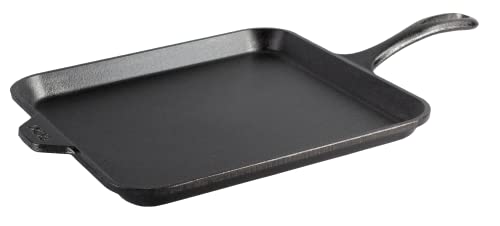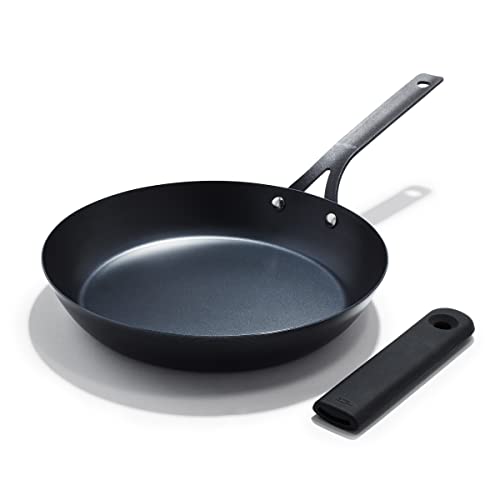
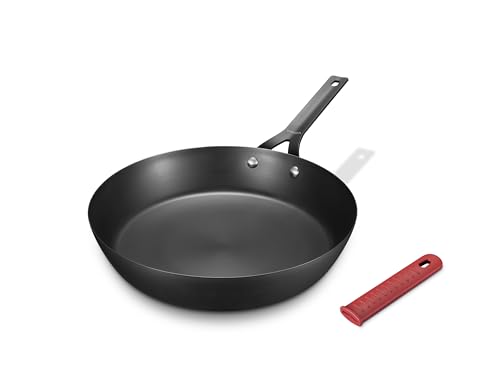
You are standing in the cookware aisle, or maybe scrolling endlessly online, trying to decide between a carbon steel pan and a cast iron pan. Both are beloved by chefs, both can last a lifetime, and both promise that perfect sear. But which one is right for your kitchen in 2026? This guide cuts through the noise to help you choose, with honest reviews of five top-rated pans from Yonida, Armorbear, and stackbear.
Whether you are a home cook looking for a lighter alternative to cast iron or a camping enthusiast needing a durable skillet, we have you covered. For a broader look at cookware options, check out our Cookware category page.


Buying Guide
Weight and Handling
Cast iron is famously heavy. A 12-inch cast iron skillet can weigh over 5 pounds, which can be a strain on your wrist during long cooking sessions. Carbon steel pans, like the Armorbear 12 Inch Pre-Seasoned Carbon Steel Frying Pan, are often 30 percent lighter, making them easier to toss food and maneuver. If you have wrist issues or simply prefer a lighter pan, carbon steel is the clear winner.
The stackbear 10 Inch Carbon Steel Frying Pan also excels here with its ergonomic handle and lightweight build. For more on pan comparisons, read our guide on saucepan vs frying pan.
Heat Retention and Responsiveness
Cast iron is known for its excellent heat retention, meaning it stays hot even after you add cold food. This makes it ideal for searing steaks or frying chicken. Carbon steel, on the other hand, heats up faster and responds more quickly to temperature adjustments. This responsiveness gives you greater control, which is perfect for delicate tasks like sautéing vegetables or cooking eggs.
Pans like the Yonida Carbon Steel Pan, 10 Inch Nonstick Frying, offer rapid heating and even heat distribution, preventing hot spots. If you value precision, carbon steel is a better fit.
Nonstick Performance and Seasoning
Both pans require seasoning to build a natural nonstick surface. However, carbon steel often arrives pre-seasoned and ready to use, like the Yonida Carbon Steel Pan, 12 Inch Nonstick Frying Skillet with Lid. Over time, the patina improves, creating a slick surface that rivals synthetic nonstick coatings. Cast iron also develops a patina, but it can be more prone to rust if not properly maintained.
For a chemical-free nonstick experience, carbon steel is generally easier to maintain. The Armorbear pan uses natural oil-seasoning technology to enhance this process. If you want a deeper dive into knife comparisons, see our article on chef knife vs carving knife.
Versatility and Oven Safety
Both pans are oven-safe, but check the handle. Many carbon steel pans, including the Yonida models, feature removable silicone handle holders that allow the pan to withstand oven temperatures up to 600°F. Cast iron handles are usually all-metal and can handle even higher temperatures. Carbon steel is also lighter for camping or outdoor cooking, while cast iron is more durable for rough handling.
Final Thoughts
After evaluating these five pans, the choice comes down to your cooking style. For everyday cooking, quick heating, and lighter weight, the Yonida Carbon Steel Pan, 10 Inch Nonstick Frying is an outstanding all-rounder with a pre-seasoned surface and cool-touch handle. If you need a budget-friendly, ultra-lightweight option that still delivers professional results, the stackbear 10 Inch Carbon Steel Frying Pan offers exceptional value with its nitrided rust protection and ergonomic design. Whichever you choose, you are getting a pan built to last.
Frequently Asked Questions
Is carbon steel pan better than cast iron?
It depends on your needs. Carbon steel is lighter and heats faster, making it easier to handle. Cast iron retains heat longer and is more durable. For most home cooks in 2026, carbon steel offers a better balance of performance and convenience.
Can I use a carbon steel pan on an induction cooktop?
Yes, most carbon steel pans are compatible with induction cooktops. All the pans reviewed here, including the stackbear and Armorbear models, work on gas, electric, ceramic, and induction stovetops.
How do I season a carbon steel pan?
Seasoning is simple. After washing and drying the pan, apply a thin layer of high-smoke-point oil (like flaxseed or canola) and heat it until it smokes. Let it cool, then repeat. Most pre-seasoned pans, like the Yonida models, are ready to use immediately.
Do carbon steel pans rust?
They can if not properly dried after washing. However, many modern pans, like the stackbear with nitriding technology, are treated to resist rust. Always hand dry and apply a light oil coating after cleaning to maintain the surface.