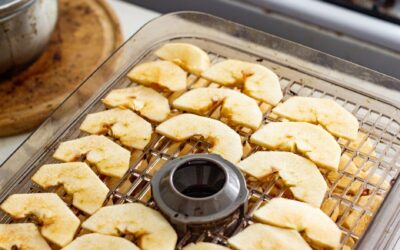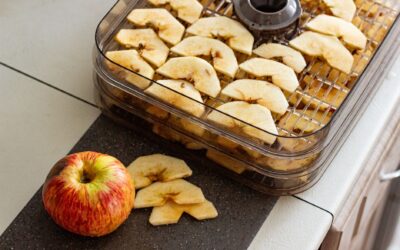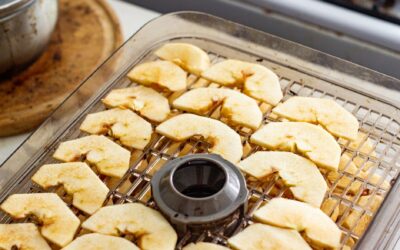
Yes, you need to rotate dehydrator trays during the drying process to achieve even results. Without rotation, trays near the heat source or fan dry faster, while those farther away lag behind. This simple step prevents over-drying some pieces while others remain too moist, ensuring every batch turns out consistently dehydrated.
Why Even Drying Matters
Dehydrators rely on consistent heat and airflow to remove moisture evenly. When trays stay in the same position throughout the cycle, the food closest to the heating element or fan dries at a different rate than food at the periphery. This unevenness can lead to some pieces becoming brittle while others still harbor enough moisture to spoil.
Rotating trays redistributes the heat load across all levels. It also helps compensate for minor variations in your dehydrator’s design, giving you more control over the final texture of dried fruits, vegetables, or jerky.
How Heat and Airflow Work in a Dehydrator
Most dehydrators use either a rear fan or a bottom heating element to circulate warm air. In rear‑fan models, the top trays often receive the most airflow because hot air rises. In bottom‑heat models, the lower trays get the strongest direct heat. Without rotation, this natural imbalance becomes more pronounced as the cycle progresses.
Understanding your dehydrator’s airflow pattern helps you decide when to rotate. If you notice that the top tray consistently finishes first, rotate that tray to the bottom halfway through the process. This equalizes the drying rate across all trays.
The Impact of Tray Position
Each tray position in a dehydrator experiences a slightly different microclimate. The middle trays often get the most balanced airflow, while the top and bottom trays face extremes. Stacking multiple trays also affects how air moves between them, potentially creating hot spots or dead zones.
Rotating trays not only swaps their vertical position but also changes their orientation front‑to‑back and side‑to‑side. This simple adjustment ensures that every piece of food spends time in the prime drying zone, leading to a more uniform final product.
Different Foods Require Different Attention
Foods with high moisture content, like apples or tomatoes, take longer to dry and are more sensitive to uneven heat. Dense items such as meat strips for jerky also benefit from rotation because they need steady, even dehydration to maintain safety and texture. Conversely, herbs or thin vegetable slices dry quickly and may not require rotation if you keep the load small.
When you mix different types of food on separate trays, rotation becomes even more critical. The drier food will finish before the wetter food, so rotating helps balance the overall drying time and prevents one tray from over‑drying while waiting for the others.
Signs You Need to Rotate More Often
If you consistently find that the top tray’s food is leathery or crisp while the bottom tray’s food is still tacky, that’s a clear sign you should rotate more frequently. Other indicators include visible condensation on the lid or door, or a noticeable difference in color between trays.
Every dehydrator is different, so pay attention to its specific behavior. Some models are well‑designed and require only one rotation, while others may need two or three rearrangements to achieve uniform drying. Trust your observations rather than a fixed schedule.
How to Make Rotating Part of Your Routine
- Set a timer to remind yourself to rotate trays halfway through the expected drying time.
- Swap the top tray with the bottom tray, and the middle trays with each other, to redistribute heat exposure.
- If your dehydrator has a front‑to‑back airflow pattern, also rotate the trays 180 degrees to balance left‑right differences.
- Check each tray individually after rotation to spot any pieces that are already dry and remove them early.
Consistent rotation is a small habit that makes a big difference in the quality of your dehydrated food. No related post is directly relevant to this topic, so the best next step is to experiment with your own dehydrator and note the results.
Frequently Asked Questions
How often should I rotate dehydrator trays?
Most instructions recommend rotating trays once halfway through the drying cycle. For thicker or mixed loads, you may need to rotate every 2 to 3 hours. Check the manufacturer’s guidance for your specific model.
Do all dehydrators require tray rotation?
Not all models require rotation. Some commercial or high‑end dehydrators are designed with even airflow and heating that minimize the need. However, most home‑use dehydrators benefit from at least one rotation to ensure uniform results.
What happens if I don’t rotate the trays?
Without rotation, you risk ending up with a mix of over‑dried and under‑dried pieces. Over‑dried food can become brittle or lose flavor, while under‑dried food may spoil quickly due to residual moisture. Uneven drying also increases total drying time.
Can I rotate trays during the drying cycle?
Yes, you can and should rotate trays while the dehydrator is running. Just open the door or lid quickly, rearrange the trays, and close it. The brief interruption in heat and airflow does not significantly affect the overall drying process.
Should I rotate trays when drying different foods together?
Yes, especially if you are drying foods with different moisture levels. Rotating helps ensure that faster‑drying items do not over‑dry while slower items catch up. It also helps prevent cross‑contamination of flavors if the foods are aromatic.
Related Guides
Final Thoughts
Rotating dehydrator trays is a simple but effective way to achieve consistent, evenly dried food every time. Make it part of your routine, and you’ll avoid the frustration of uneven batches and wasted ingredients.