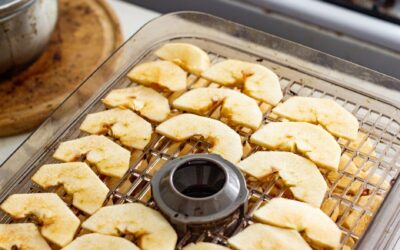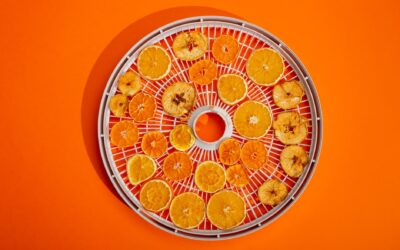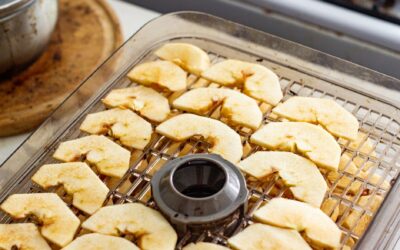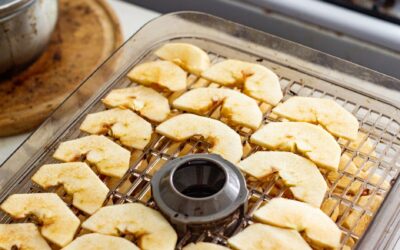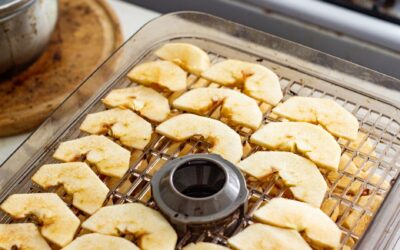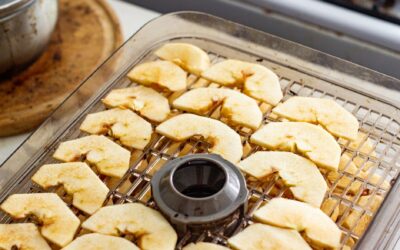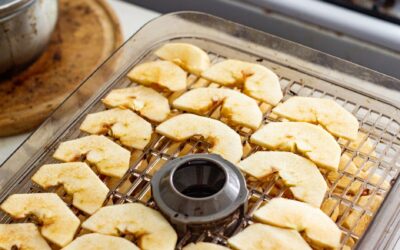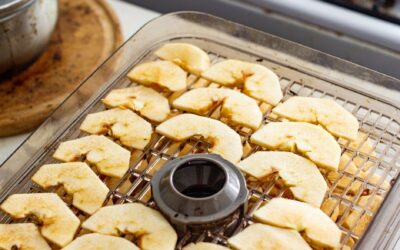
A food dehydrator typically takes anywhere from 4 to 36 hours to dry food, depending on the type, thickness, moisture content, and the dehydrator’s temperature and airflow. For example, thin slices of apples may finish in 6 to 8 hours, while thick cuts of meat for jerky can take 10 to 12 hours or more. Knowing these variables helps you plan and avoid underdrying or overdrying your food.
Type of Food
The food you choose is the biggest factor in drying time. Fruits with high water content, like peaches or tomatoes, take longer than low-moisture foods like herbs or mushrooms. Leafy greens dry quickly, while dense vegetables like carrots or potatoes require more time.
Meats and fish for jerky also fall into a longer range because they need to reach a safe internal temperature to kill bacteria. This usually means running the dehydrator for 8 to 12 hours at a higher setting.
Thickness and Cut Size
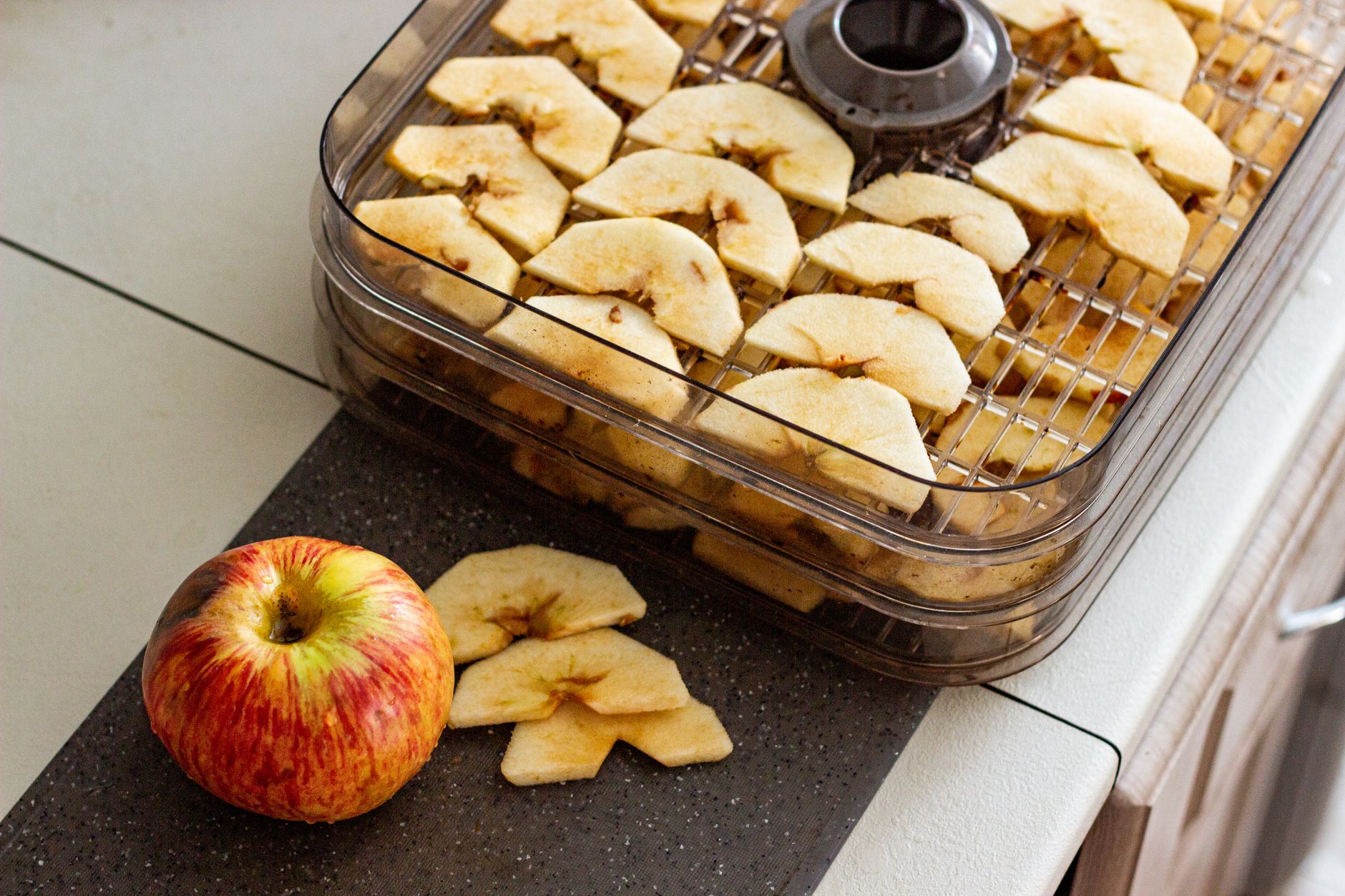
How you slice your food dramatically changes drying time. Thinner pieces lose moisture faster because more surface area is exposed. A 1/4-inch apple slice might dry in 6 hours, while a 1/2-inch slice could take 10 hours or more.
Uniform cuts are also important. If some pieces are thicker than others, you will end up with over dried edges and still moist centers. Aim for consistent thickness across all pieces to ensure even drying.
Moisture Content
Foods with naturally higher moisture, such as watermelon or citrus, take much longer to dry than foods with lower water content, like kale or banana chips. The water must evaporate fully before the food is shelf stable.
You can reduce moisture by pre treating foods. Blanching vegetables or soaking fruit in lemon juice not only helps preserve color and flavor but also slightly reduces drying time by breaking down cell walls.
Dehydrator Temperature and Power
Your dehydrator’s temperature setting and wattage directly affect speed. Higher temperatures (around 135 to 145 F for most foods) dry faster, but you must stay within safe limits to avoid cooking the food instead of drying it.
More powerful dehydrators with higher wattage and better airflow also reduce drying time. Models with a rear fan tend to dry more evenly than those with a top or bottom fan, which can create hot spots.
Ambient Humidity and Airflow
The environment around your dehydrator matters. On a humid day, the air already holds more moisture, so evaporation slows down. Running the dehydrator in a dry, well ventilated room helps speed the process.
Airflow is also critical. If you pack the trays too full or stack multiple trays without enough space, air cannot circulate properly. This can add hours to the drying time and lead to uneven results.
Pre Treatment and Preparation
Blanching vegetables in boiling water for a minute or two before drying can reduce drying time by softening the cell structure. Similarly, marinating meat or fish adds moisture that must be evaporated, so it may lengthen the process.
Soaking fruit in an acidic solution, like lemon juice or ascorbic acid, helps prevent browning but does not significantly change drying time. However, skipping pre treatment may lead to darker, less appealing results.
How to Adjust Your Drying Time
- Slice food to a consistent, thin thickness (1/4 inch or less) for faster drying.
- Increase the dehydrator temperature to the maximum safe level for the food type.
- Reduce the load: leave space between pieces and avoid over stacking trays.
- Pre treat foods like vegetables by blanching to shorten drying time.
- Run the dehydrator in a low humidity room with good ventilation.
- Check your dehydrator’s airflow: clean any vents and ensure the fan is working.
For more detailed guidance on food preservation techniques, explore our Buying Guides for tips on choosing the right equipment.
Related Guides
Frequently Asked Questions
How long does it take to dehydrate jerky?
Beef jerky usually takes 8 to 12 hours at 145 to 160 F, depending on thickness. You must ensure the internal temperature reaches 160 F to kill bacteria. Thinner strips dry faster, but always test for doneness by bending a piece: it should crack but not break.
How long to dehydrate fruit slices?
Fruit slices like apples, pears, or peaches typically take 6 to 12 hours at 135 to 145 F. Thinner slices (1/4 inch) dry on the shorter end, while thicker pieces or high moisture fruits like watermelon may take longer.
Can I open the dehydrator during drying?
Yes, you can open the dehydrator to check progress, but doing so lets out heat and moisture, which may extend drying time by 15 to 30 minutes each time. It is better to rely on a timer and check only near the expected finish.
Does stacking trays affect drying time?
Stacking trays can slow drying because it restricts airflow. Most dehydrators work best with all trays loaded but not overcrowded. Leave small gaps between pieces and rotate trays halfway through for even results.
Why is my food not drying after 24 hours?
If food remains moist after 24 hours, the dehydrator may be set too low, the room may be very humid, or the pieces may be too thick. Check the temperature, reduce load, and slice thinner. Also ensure the dehydrator’s fan is working properly.
A food dehydrator’s drying time ranges from a few hours to over a day, but understanding the key factors lets you control the process and get consistent results. For more tips on food preservation, visit our Buying Guides to find the right dehydrator for your needs.