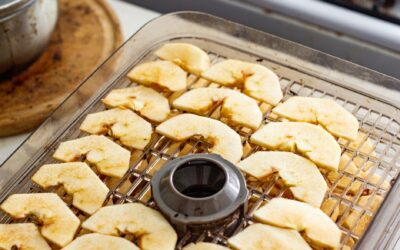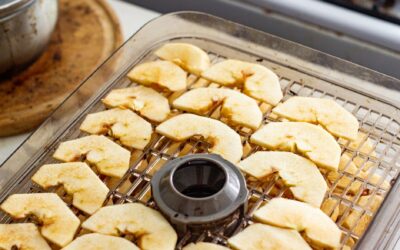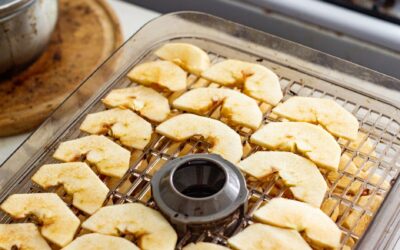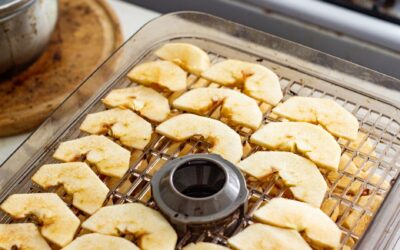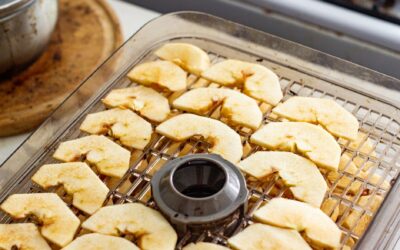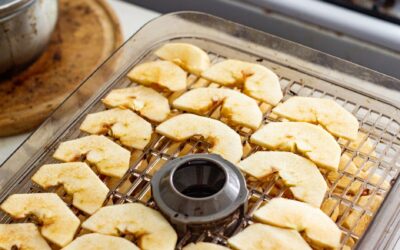
To keep food from sticking to dehydrator trays, you need to prepare the trays properly and adjust your food preparation and drying methods. The most effective step is to lightly oil the trays or use a non-stick liner before loading, but factors like food moisture, sugar content, and tray condition also play a big role. Understanding why sticking happens helps you prevent it consistently.
Insufficient Tray Preparation
The most common cause of sticking is simply not preparing the trays. Dehydrator trays are often made of plastic or metal that can bond with drying food, especially if it’s moist or sugary. A light spray of cooking oil or a thin coat of coconut oil creates a barrier that lets food release easily.
You can also use non-stick dehydrator sheets or silicone mesh liners designed for the purpose. These are reusable and eliminate the need for oil. Avoid wax paper or standard parchment, as they can melt or trap heat.
High Sugar or Sticky Foods
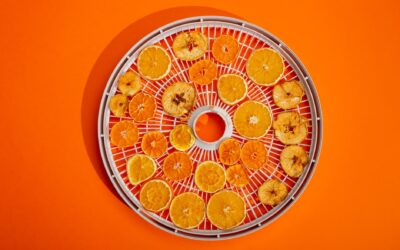
Foods naturally high in sugar, such as fruit like mangoes, strawberries, or pineapple, become sticky as moisture evaporates and sugar concentrates. This sugary film acts like glue on the tray surface. Even vegetables with natural sugars can cause sticking if dried to a leathery stage.
To combat this, dip fruit slices in lemon juice or a mild acid solution before drying. The acid breaks down some of the surface sugars and reduces stickiness. You can also freeze fruit slices briefly before loading, which helps them release more easily later.
Overcrowding the Trays
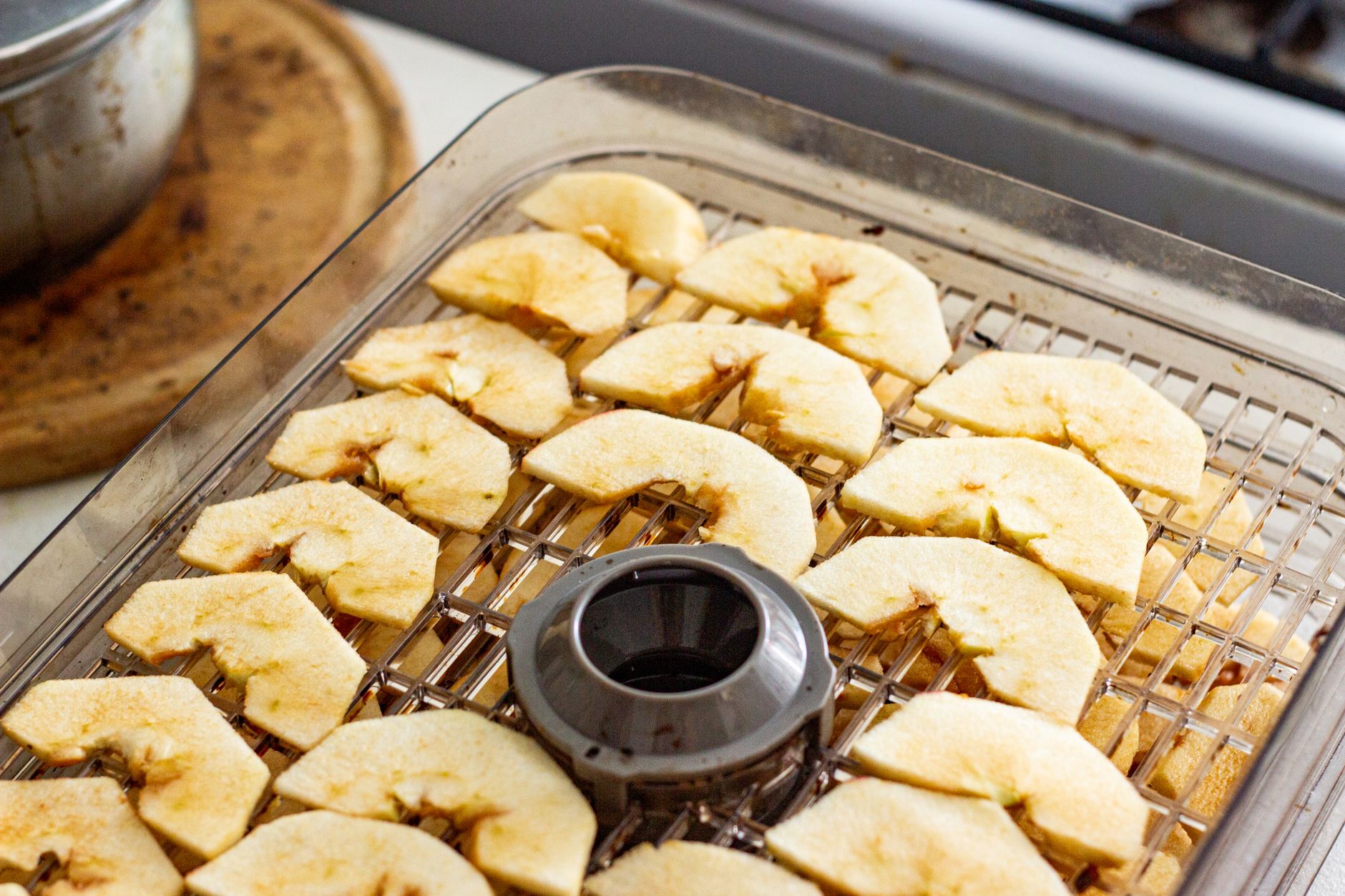
When you pack too many pieces on a tray, they overlap and trap moisture between them. That moisture doesn’t evaporate evenly, and the pieces can fuse together or stick to the tray. Proper spacing ensures each piece dries uniformly and releases without tearing.
Leave at least a small gap between pieces, and arrange them in a single layer. If you have a lot of food, run multiple batches instead of piling everything in. This also improves air circulation and drying speed.
Temperature Too Low
Drying at too low a temperature can cause food to sweat rather than evaporate moisture quickly. The surface stays damp longer, increasing the chance of sticking. Most fruits and vegetables need a temperature between 125°F and 135°F (52°C to 57°C) for efficient drying.
Check your dehydrator’s temperature setting and adjust if needed. If your model doesn’t have precise controls, run it slightly warmer than you think, but avoid exceeding 145°F (63°C) to prevent cooking the food.
Food Not Dry Enough Before Placing
If you wash or soak food right before loading it onto trays, excess surface moisture can cause sticking. Pat fruits, vegetables, or herbs dry with a clean towel or let them air dry for a few minutes before arranging. This simple step removes the water layer that would otherwise glue the food to the tray.
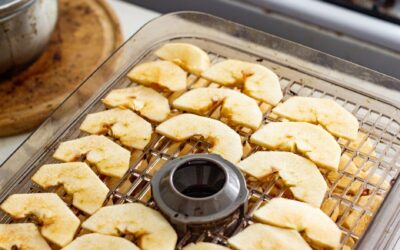
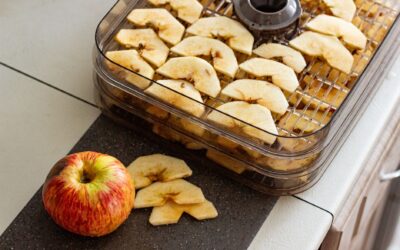
For foods like banana chips or apple rings that are dipped in acid or syrup, shake off any extra liquid before placing them on the tray. A paper towel blot works well too.
Worn or Scratched Trays
Over time, dehydrator trays develop scratches, gouges, or rough spots from scraping and cleaning. These imperfections give food more surface area to grip, making sticking worse. Plastic trays are especially prone to wear.
If your trays are visibly damaged, consider replacing them with new ones or using non-stick liners to cover the rough areas. Regular gentle cleaning with a soft sponge helps extend tray life. Avoid metal scrubbers or abrasive pads.
How to Fix Sticking Issues
- Lightly oil trays or use non-stick dehydrator liners before each use.
- Dip high-sugar foods in lemon juice or freeze them briefly to reduce stickiness.
- Arrange food in a single layer with space between pieces.
- Set the dehydrator temperature between 125°F and 135°F (52°C to 57°C).
- Pat food dry after washing or soaking before loading.
- Replace worn trays or cover them with silicone liners.
If you’re also dealing with mineral buildup in your kitchen appliances, you might find our guide on how to remove coffee maker mineral buildup helpful for maintaining your coffee maker.
Related Guides
Frequently Asked Questions
Can I use parchment paper in a dehydrator?
Standard parchment paper can be used if it’s rated for temperatures up to 400°F (204°C), but it may trap heat and slow drying. Silicone dehydrator sheets are a better choice because they allow airflow and are reusable.
How do I remove stuck food from dehydrator trays?
Soak the trays in warm, soapy water for 15–20 minutes to loosen the food. Then scrub gently with a soft sponge. For stubborn bits, make a paste of baking soda and water and apply it before soaking.
Should I flip food halfway through drying to prevent sticking?
Flipping is not usually necessary if trays are well prepared and food is spaced properly. However, for thick or wet items, flipping once halfway can help even drying and reduce the chance of sticking on the bottom side.
Do I need to do anything special for fruit leathers?
Fruit leathers are very sticky because of their high sugar content. Always use a non-stick fruit leather sheet or line the tray with plastic wrap (check temperature limits). Avoid using oil directly on the tray for leathers, as it can alter the texture.
Preventing food from sticking to dehydrator trays comes down to tray preparation, food handling, and proper drying conditions. For more tips on keeping your kitchen appliances in top shape, explore our blog for maintenance guides.