
Your dehydrator smells like plastic primarily because of off-gassing from new plastic components or residual manufacturing oils that burn off during the first few uses. This is normal for most new dehydrators, especially those with plastic trays or housing. The smell usually fades after a few cycles, but persistent odors may indicate a different issue, such as overheating or a non-food-safe material. Understanding the cause helps you address it safely without damaging your machine.
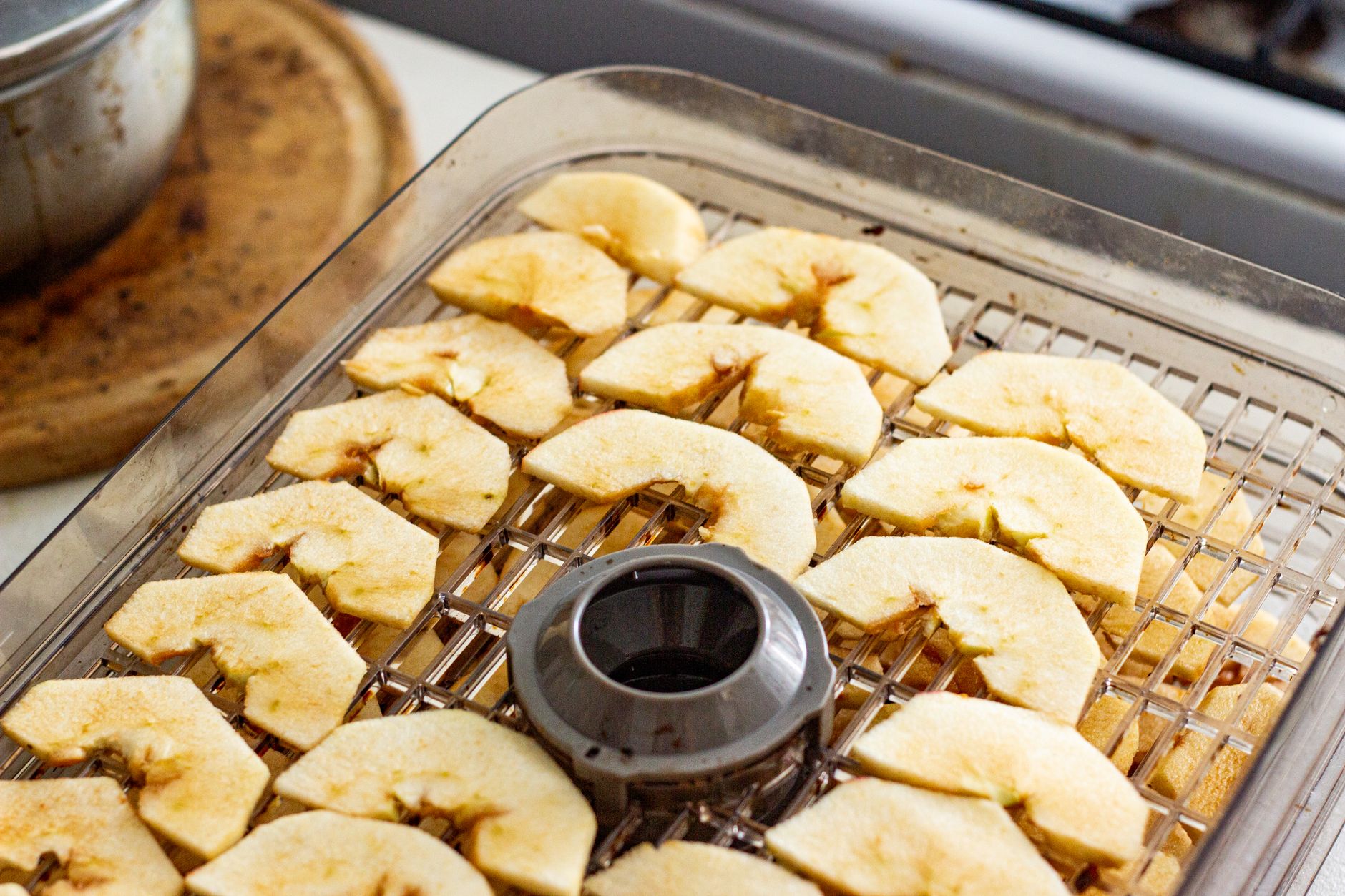
Off-Gassing from New Plastic Parts
When you first unbox a dehydrator, the plastic components often release volatile organic compounds (VOCs) as they heat up. This is the same smell you might notice from a new shower curtain or a freshly unwrapped plastic container. The odor is strongest during the first two or three uses and typically dissipates as the plastic cures.
Running an empty cycle for 30 to 60 minutes at the highest temperature can speed up this process. Make sure the area is well-ventilated. If the smell persists beyond five or six uses, it may indicate a different problem.
Residual Manufacturing Oils and Chemicals
During assembly, dehydrators can pick up lubricants, solvents, or dust from the factory floor. These residues burn off when the unit first heats up, creating a plastic or chemical smell. This is especially common in budget models where the manufacturing process is less controlled.
Wiping down all interior surfaces with a mild soap and water solution before the first use can remove most of these residues. Avoid harsh cleaners that might leave their own chemical traces. A rinse with white vinegar and water can also help neutralize odors.
Overheating or Running at Too High a Temperature
Dehydrators have a maximum temperature setting, usually around 165°F. If you consistently run the unit at or near its upper limit, the plastic components may begin to degrade slightly, producing a plastic smell. This is more likely in dehydrators with thin plastic trays or a low-quality heating element.
Check your owner’s manual for the recommended temperature range for the foods you are drying. Lowering the temperature by 10 to 15 degrees can often eliminate the smell without affecting drying time much. If the odor appears only at high heat, stick to mid-range settings.
Using Non-Food-Safe Plastic Trays
Some dehydrators, especially older or very cheap models, come with trays made from plastic that is not rated for food contact. When heated, these plastics can release an unpleasant odor and potentially harmful chemicals. The trays may have a strong smell even when cool.
Check the bottom of your trays for a recycling symbol or a “food safe” label. If the plastic is not marked as food-safe, consider replacing the trays with stainless steel or high-quality BPA-free alternatives. This is one case where the smell is a genuine safety concern.
Improper Cleaning Before First Use
Many dehydrator owners skip the initial cleaning step, assuming the unit is ready to use straight out of the box. However, dust, packaging debris, and factory residues can remain on the trays and interior walls. When heated, these particles produce a burnt plastic smell.
Wash all removable parts in warm, soapy water, and wipe down the interior with a damp cloth. Let everything dry completely before plugging in the unit. A simple pre-use cleaning often prevents the odor entirely.
Overloading or Poor Airflow
When you pack a dehydrator too full, the airflow becomes restricted. Hot air gets trapped around the plastic components, causing them to heat up beyond their normal operating temperature. This can lead to localized overheating and a plastic smell that is stronger than usual.
Leave at least an inch of space between trays and around the edges. Do not stack trays that are meant to be spaced apart. If your dehydrator has a fan, make sure the intake and exhaust vents are clear.
How to Fix a Plastic Smell in Your Dehydrator
- Run an empty cycle at the highest temperature for 30 to 60 minutes in a well-ventilated area to burn off manufacturing residues.
- Wash all removable parts with warm, soapy water and a rinse of white vinegar and water before the first use.
- Lower the temperature setting by 10 to 15 degrees if the smell appears only at high heat.
- Replace plastic trays with stainless steel or food-safe BPA-free alternatives if the trays are not clearly marked as food-safe.
- Avoid overloading the dehydrator to maintain proper airflow and prevent localized overheating.
If the plastic smell persists after trying these steps, it may be a sign of a defective unit. In that case, contact the manufacturer or consider replacing the dehydrator. For more general troubleshooting tips on kitchen appliances, you can check out our guide on how to clean a coffee maker, though the methods differ slightly.
Frequently Asked Questions
Is the plastic smell from a dehydrator toxic?
In most cases, the smell is from harmless VOCs or residue that dissipate quickly. However, if the plastic trays are not food-safe, the odor may indicate chemical leaching. If you are concerned, ventilate the area and replace non-food-safe trays.
How long does the plastic smell last in a new dehydrator?
Typically, the smell fades after two to four uses. Running an empty high-heat cycle before the first use can reduce it to one or two cycles. If it persists beyond six uses, check for other causes like overheating or non-food-safe plastic.
Can I use a dehydrator that smells like plastic?
Yes, you can use it as long as the smell is not overpowering and you have confirmed the trays are food-safe. Keep the area ventilated and avoid drying strong-smelling foods until the odor is gone. If the smell is strong or acrid, stop using it and investigate the source.
Does the plastic smell affect the taste of food?
It can, especially if the odor is strong. Foods with high moisture content, like fruits, may absorb the smell during drying. This is usually temporary and fades as the dehydrator ages. If the taste persists, the issue may be with the trays themselves.
Should I return a dehydrator that smells like plastic?
If the smell does not improve after five or six uses and you have ruled out improper cleaning or overheating, it may be a manufacturing defect. Check the return policy of the store where you purchased it. Many retailers accept returns within 30 days.
Related Guides
Wrapping Up
A plastic smell from your dehydrator is almost always a temporary issue caused by new materials or residues. By running a few empty cycles, cleaning thoroughly, and adjusting your temperature settings, you can usually eliminate it within days. For more kitchen appliance care tips, explore our other guides on maintaining your cookware.