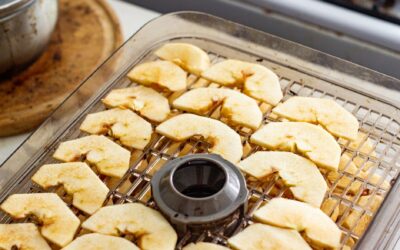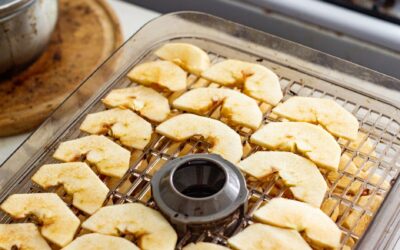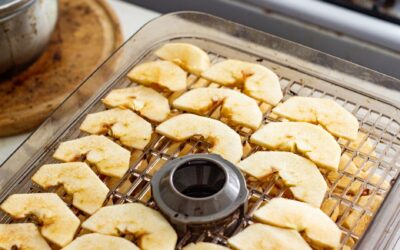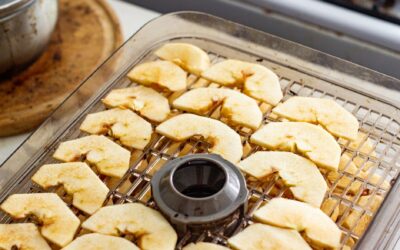
Your dehydrator is not drying food because one or more of these factors is interfering: the temperature is too low, the food is overcrowded, the pieces are too thick, or the ambient humidity is too high. Each of these issues prevents the moisture from evaporating efficiently. By identifying the specific problem, you can adjust your process and get consistent results.
Temperature Too Low
Most foods require a temperature between 125°F and 145°F for proper drying. If your dehydrator runs below that range, moisture will not evaporate fast enough. Check your dial or digital display against an oven thermometer to verify accuracy.
Some dehydrators lose heat if the door or lid is not sealed properly. Even a small gap can drop the internal temperature by 10 degrees or more. A quick test with a thermometer near the trays can reveal the issue.
Overcrowding and Poor Airflow
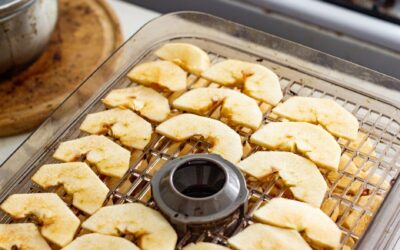
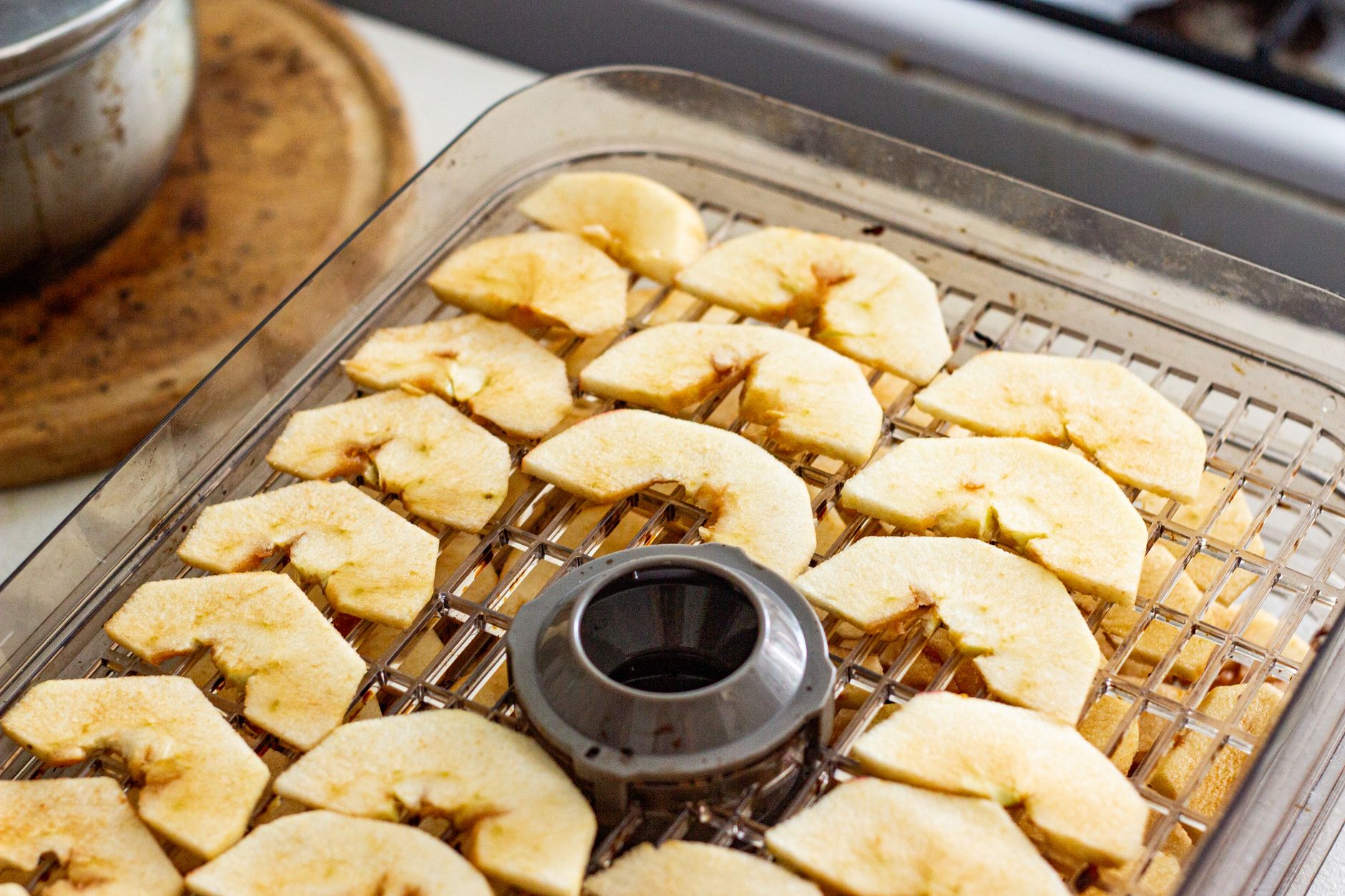
Food layered too close together blocks the airflow that carries moisture away. Each piece needs space around it for air to circulate. If trays are packed solid, the center pieces will stay damp while the edges dry.
Stacking wet pieces on top of each other also traps moisture underneath. Spread food in a single layer with small gaps between pieces. Rotate trays halfway through the cycle if your dehydrator does not have a rear fan.
Food Pieces Too Thick
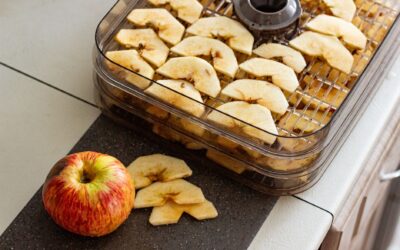
Thick slices take much longer to dry because heat and air must penetrate deeper. Aim for uniform pieces about 1/4 inch thick for most fruits and vegetables. Thicker cuts like apple rings or mango slices should be no more than 1/2 inch.
Uneven thickness also leads to some pieces drying before others. Use a mandoline or sharp knife for consistent slices. If you are drying meat for jerky, slice against the grain at 1/4 inch for best results.
High Humidity Environment
Dehydrators work by pulling moisture from food into the surrounding air. When the air in your kitchen is already humid, it cannot absorb much more. This is especially common in summer or during rainy weather.
If you live in a humid climate, run the dehydrator in a room with air conditioning or a dehumidifier. You can also extend drying time by 4 to 6 hours on damp days. A simple hygrometer will tell you if indoor humidity is above 60 percent.
Dehydrator Mechanical Issues
A failing fan or heating element will reduce performance. Listen for unusual noises or a lack of airflow. If the fan is not spinning, the dehydrator may still produce heat but cannot move it across the trays.
Check the power cord and thermostat as well. Some models have a reset button that can trip if the unit overheats. If you suspect a major component failure, consult the manufacturer’s manual or a repair technician.
How to Fix Your Dehydrator Not Drying Food
- Verify the temperature with an oven thermometer and adjust the dial accordingly.
- Spread food in a single layer with at least 1/4 inch between pieces.
- Slice food uniformly to 1/4 inch thick for most items.
- Run the dehydrator in a climate-controlled room or use a dehumidifier.
- Check the fan, seal, and heating element for visible damage or wear.
Once you have addressed the likely cause, test a small batch before committing a full load. For more appliance troubleshooting tips, visit our blog for guides on keeping your kitchen gear in top shape.
Related Guides
Frequently Asked Questions
Why is my dehydrator running but not drying food?
This usually means the temperature is too low or the airflow is blocked. Check your thermostat setting and make sure the fan is spinning. Overcrowding is another common reason.
How long should a dehydrator take to dry food?
Most fruits take 8 to 12 hours, vegetables 4 to 8 hours, and jerky 4 to 6 hours. Times vary based on thickness, humidity, and dehydrator power. If your batch takes much longer, something is off.
Can I open the dehydrator while drying?
Yes, but opening it releases heat and moisture, which extends drying time. Only open briefly to check progress or rotate trays. Avoid frequent opening, especially in the first few hours.
Why are my fruits still sticky after dehydrating?
Sticky fruits often mean they are not fully dried, or the sugar content is high. Dried fruit should be leathery and pliable without any moisture on the surface. Allow more time or reduce humidity in the room.
Should I preheat the dehydrator?
Preheating is not necessary, but it can help start the drying process faster. If your dehydrator takes a long time to reach temperature, preheat for 10 minutes before loading food.
By checking temperature, airflow, food thickness, and humidity, you can usually get your dehydrator working again. For more tips on maintaining kitchen appliances, explore our blog for helpful guides.