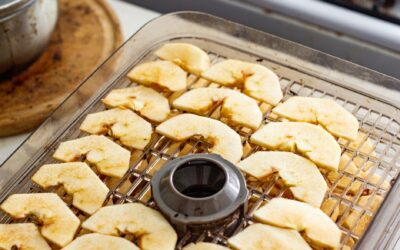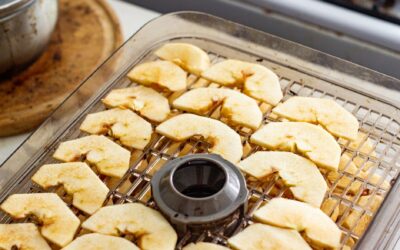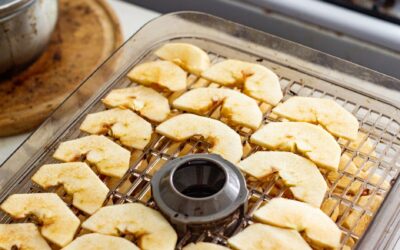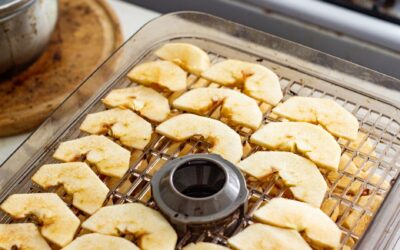
If your food dehydrator is taking too long, the most common cause is either overly thick slices, overloading the trays, or a temperature that’s too low for the food you’re drying. Dehydration time depends on food thickness, moisture content, airflow, and ambient humidity. Understanding these factors helps you adjust your process and get consistent results without waiting all day.
Thick or Uneven Food Slices
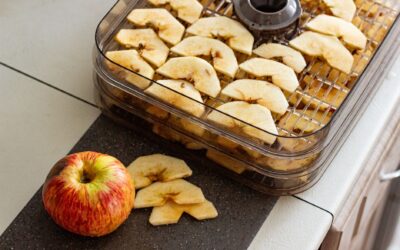
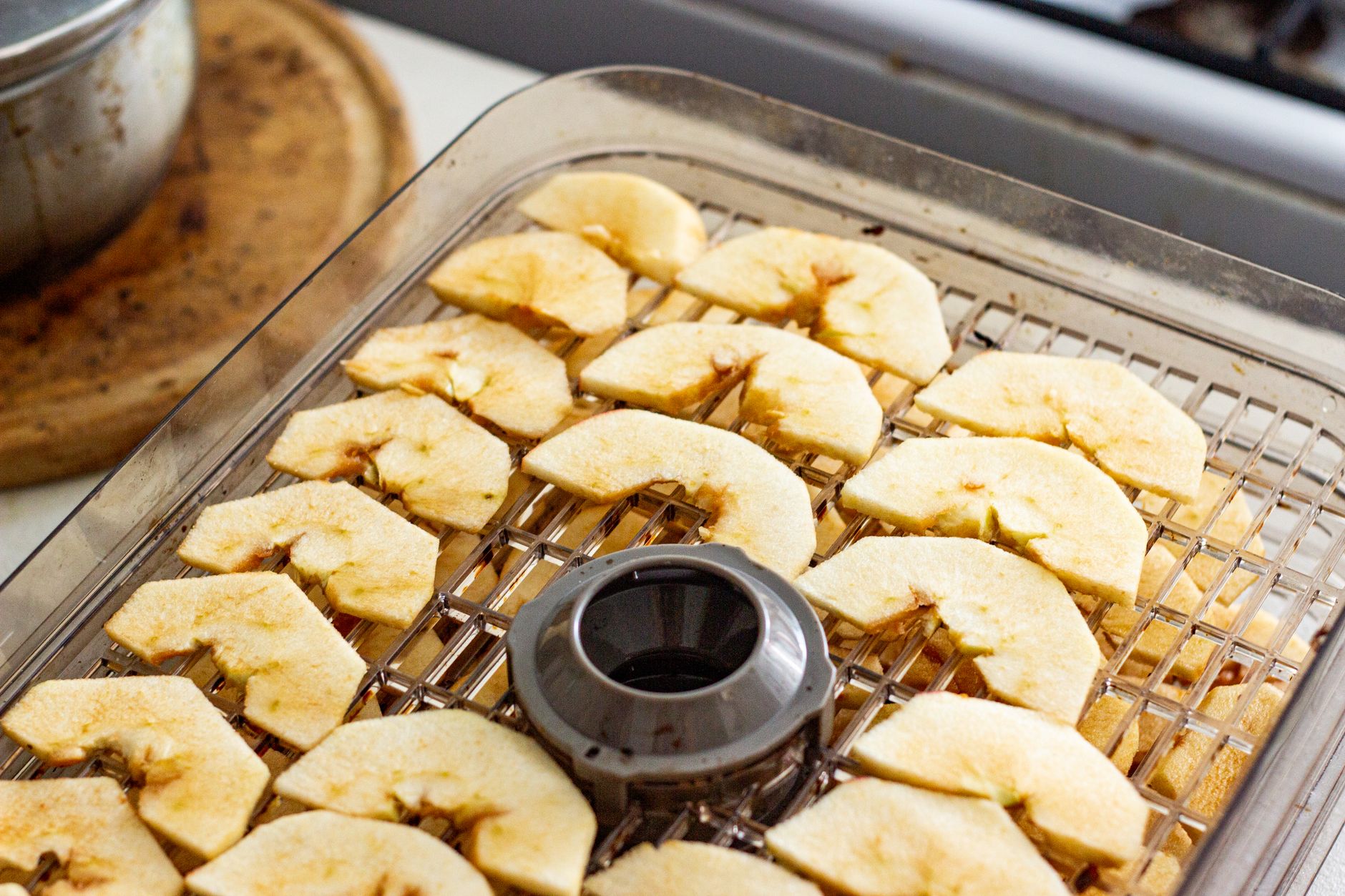
The thickness of your slices directly controls drying time. A slice that’s twice as thick can take three to four times longer to dehydrate because moisture must travel farther from the center to the surface. Aim for uniform slices around 1/8 to 1/4 inch (3–6 mm) for most fruits and vegetables.
Use a mandoline or a sharp knife to keep pieces consistent. Uneven slices mean some pieces finish earlier while others remain wet, forcing you to run the dehydrator longer for the thickest pieces to catch up.
Overloading the Dehydrator Trays
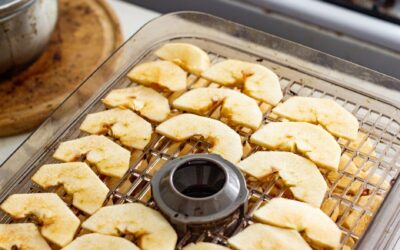
Packing too much food on each tray blocks airflow, which is essential for moisture removal. When air cannot circulate freely around each piece, the dehydrator has to work much harder and the process slows significantly. Leave at least 1/4 inch of space between pieces on every tray.
If you have more food than trays can handle, run multiple batches rather than overcrowding. Overloading is one of the most common reasons a food dehydrator takes too long, and it’s an easy fix.
Temperature Set Too Low
Most dehydrators have a temperature range between 95°F and 165°F (35°C to 74°C). Setting the temperature too low for the food type will dramatically extend drying time. Fruits generally need 135°F to 145°F (57°C to 63°C), while vegetables do well at 125°F to 135°F (52°C to 57°C).
Check your dehydrator’s manual for recommended settings. If you’re unsure, start with a mid-range temperature and adjust based on results. A food dehydrator taking too long is often a simple temperature misstep.
High Ambient Humidity
Dehydrators remove moisture from food and release it into the surrounding air. If the room is already humid, that moisture has nowhere to go and can slow evaporation. This is especially common in summer or in kitchens without ventilation.
Run your dehydrator in a well-ventilated area or near an open window. In very humid climates, consider using a dehumidifier in the same room. The drier the air around the dehydrator, the faster the food will dry.
Poor Air Circulation Inside the Dehydrator
Even with proper spacing, some dehydrators have weak fans or blocked vents. Dust buildup on the fan or vents can reduce airflow by a noticeable amount. Clean your dehydrator regularly according to the manufacturer’s instructions.
Also, avoid placing the dehydrator against a wall or in a corner where exhaust air can’t escape. Good circulation around the unit helps it work efficiently and prevents your food dehydrator from taking too long.
Foods With Very High Water Content
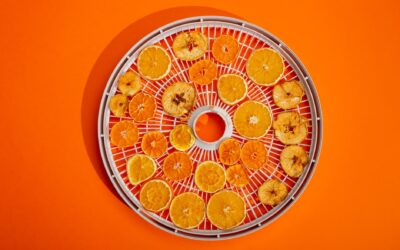
Certain foods naturally take longer to dehydrate because they contain a lot of water. Watermelon, citrus fruits, and tomatoes are examples. These foods can require 12 to 24 hours or more, depending on thickness and conditions.
If you’re drying high-moisture items, expect longer times. You can speed things up by slicing them thinner or patting them dry with a paper towel before loading the trays.
How to Fix a Food Dehydrator That’s Taking Too Long
- Slice food uniformly to 1/8–1/4 inch thickness.
- Leave space between pieces on each tray for airflow.
- Set the temperature according to the food type (135–145°F for fruit, 125–135°F for vegetables).
- Place the dehydrator in a dry, well-ventilated area.
- Clean the fan and vents regularly to maintain airflow.
- For high-moisture foods, slice thinner or pre-dry with a towel.
If you’ve tried these adjustments and your dehydrator still runs slowly, it may be time to evaluate its performance against newer models. Our buying guides can help you understand what to look for in an efficient dehydrator.
Related Guides
Frequently Asked Questions
How long should a food dehydrator normally take?
Most fruits and vegetables dry in 4 to 12 hours at recommended temperatures. Thinner slices and lower moisture foods finish faster. Jerky and high-moisture items can take 12 to 24 hours. If your dehydrator consistently exceeds these ranges, something is off.
Can I speed up my food dehydrator?
Yes, within limits. Slice food thinner, increase air circulation by not overloading, and ensure the temperature is appropriate for the food. You can also pre-treat items like apples with lemon juice to prevent browning, but that doesn’t affect drying speed.
Why is my dehydrator not drying food evenly?
Uneven drying usually comes from inconsistent slice thickness, overcrowded trays, or a dehydrator with poor airflow. Rotate trays halfway through the cycle if your model doesn’t have a built-in fan. Clean vents and fan regularly.
Does opening the dehydrator slow it down?
Yes, opening the door or lid releases heat and moisture, forcing the unit to reheat and re-humidify. Check progress quickly and only when necessary. Each opening can add 10–20 minutes to the total drying time.
What foods take the longest to dehydrate?
High-moisture foods like watermelon, whole grapes (for raisins), and thick cuts of meat for jerky take the longest. Expect 12–24 hours for these. Thinner slices and lower moisture foods like herbs or mushrooms dry much faster.
If your food dehydrator is taking too long, start with the simplest fixes: slice thinner, don’t overload, and check your temperature. For more guidance on choosing an efficient dehydrator, browse our buying guides for tips that match your needs.