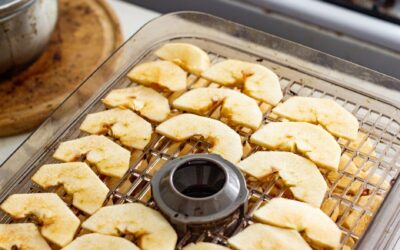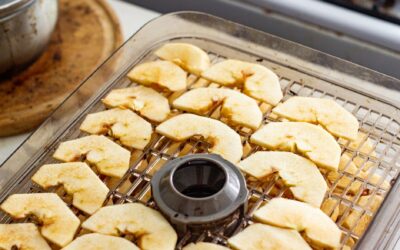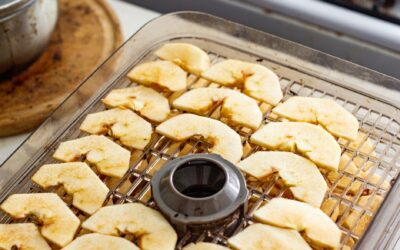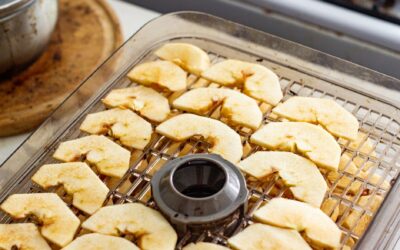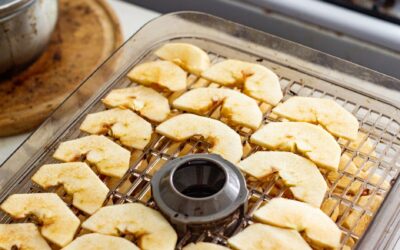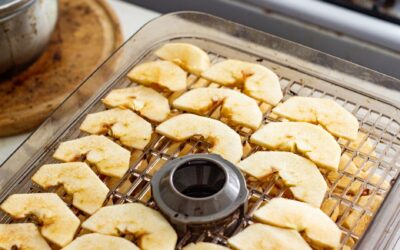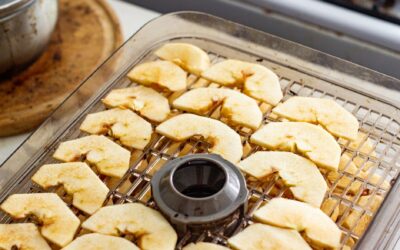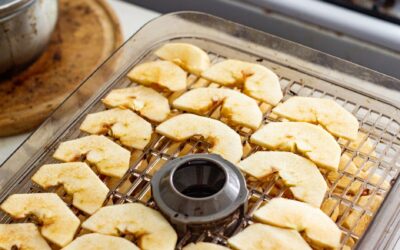
If your food dehydrator fan is not working, the most likely cause is a buildup of debris on the fan blades or motor shaft, a faulty thermal fuse, or a worn motor bearing. Without a working fan, air cannot circulate properly, which leads to uneven drying and longer processing times. Checking these components in order will help you identify the problem quickly.
Debris or Food Particles Blocking the Fan
Food particles, especially from sticky or sugary items like fruit leather or jerky, can accumulate on the fan blades over time. This added weight or physical obstruction prevents the fan from spinning freely. You may also hear a clicking or scraping sound when the unit is on.
To check, unplug the dehydrator and remove the trays. Look at the fan area through the vent or use a flashlight. If you see visible debris, gently clean the blades with a soft brush or compressed air. Avoid using water near the motor unless the manufacturer explicitly allows it.
Faulty Thermal Fuse or Overheating Protection
Many food dehydrators include a thermal fuse that cuts power to the fan if the internal temperature gets too high. This is a safety feature to prevent fire. If the fan stops suddenly after a long drying session, the fuse may have blown.
You can test the thermal fuse with a multimeter. If it shows no continuity, it needs replacement. This is a common repair and the fuse itself costs very little. Always replace it with the same rating specified by the manufacturer.
Worn or Seized Motor Bearings
Over hundreds of hours of use, the motor bearings can dry out or wear down. When they seize, the fan will not spin at all, or it may hum without moving. This is more common in older dehydrators or those used heavily for jerky and fruit leather.
If you can access the motor, try applying a drop of lightweight machine oil to the bearing points. If the motor still does not spin freely after oiling, the bearings are likely worn beyond repair and the motor assembly needs replacement. Check your model’s parts diagram before ordering.
Loose or Broken Wiring Connection
Vibration during drying can loosen wire connections inside the dehydrator. A disconnected or broken wire to the fan motor will stop it completely. This is especially common in units that have been dropped or moved frequently.
Open the casing carefully after unplugging the unit. Look for any wires that are visibly disconnected, pinched, or burnt. Reattach any loose wires with a crimp connector or solder. If you find burnt insulation, replace the entire wire section.
Defective Fan Switch or Timer
Some dehydrators have a separate fan switch or a timer that controls both heat and fan. If the switch fails, the fan may not receive power even though the heating element works. Similarly, a faulty timer can stop sending voltage to the fan after a set period.
Test the switch with a multimeter in continuity mode. If it does not close when turned on, replace it. For timer issues, consult the service manual for your model to test the output terminals.
How to Fix a Food Dehydrator Fan That Is Not Working
- Unplug the dehydrator and clean any visible debris from the fan blades and motor shaft.
- Check the thermal fuse with a multimeter and replace it if it shows no continuity.
- Oil the motor bearings if they feel dry or stiff, and replace the motor if they are seized.
- Inspect all wiring connections inside the unit for looseness or damage.
- Test the fan switch and timer for proper electrical continuity.
If you have tried these steps and the fan still does not work, the issue may be a more complex electronic failure. For general appliance maintenance tips, you can read our guide on how to clean a coffee maker, which covers similar cleaning principles for kitchen appliances.
Related Guides
Frequently Asked Questions
Can I use my food dehydrator without the fan working?
No, you should not run a dehydrator without a functioning fan. Without airflow, moisture cannot escape, and the heating element may overheat, creating a fire risk. Always repair the fan before using the dehydrator again.
How do I know if the thermal fuse is blown on my dehydrator?
Use a multimeter set to continuity. Touch the probes to both ends of the thermal fuse. If the meter does not beep or show a reading near zero ohms, the fuse is blown and needs replacement. The fuse is usually located near the heating element.
Why is my dehydrator fan loud but not spinning?
A loud humming noise without fan movement usually indicates a seized motor or a jammed blade. Unplug the unit and try turning the fan by hand. If it does not rotate easily, the motor bearings are likely the problem.
Can I replace the fan motor myself?
Yes, if you have basic soldering skills and a multimeter. Many dehydrator motors are standard and available online. Always match the voltage and RPM rating of the original motor. If you are uncomfortable with electrical repairs, consult a professional.
Does a food dehydrator fan run continuously?
In most dehydrators, the fan runs continuously while the unit is on, even if the heating element cycles on and off. If your fan stops during operation but resumes after a cooldown, the thermal fuse may be intermittently tripping due to restricted airflow.
A food dehydrator fan that stops working usually has one of these five causes: debris, a blown thermal fuse, bad bearings, loose wiring, or a faulty switch. Start with the simplest check, cleaning, and work your way through the list. For more help keeping your kitchen appliances in top shape, see our guide on how to remove coffee maker mineral buildup.