Your wooden cutting board is a kitchen workhorse, but without proper care, it can dry out, crack, and absorb odors. That is where the best cutting board oil comes in. Whether you are a home cook or a professional chef, choosing a food-grade mineral oil or conditioner keeps your board looking great and lasting for years. In this guide, we review ten top-rated options, from pure mineral oils to conditioning blends, to help you find the perfect match for your kitchen.




Buying Guide
Food-Grade Safety
When selecting a cutting board oil, always look for food-grade certification. Products like Thirteen Chefs Mineral Oil are NSF certified, meaning they meet strict safety standards for contact with food. Avoid oils that are not labeled as food-safe, as they may contain harmful chemicals.
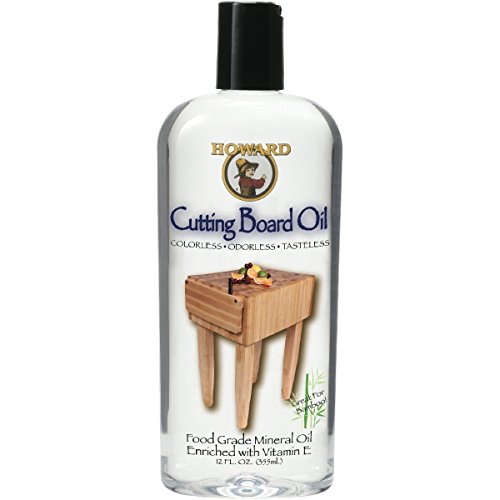
Mineral oil is a popular choice because it is colorless, odorless, and tasteless. It will not go rancid like vegetable oils, making it ideal for long-term use on cutting boards and butcher blocks.
Application and Absorption
Ease of application matters. Some oils, like Kate Naturals Mineral Oil for Wood Cutting Board, absorb quickly without leaving a greasy residue. Others require a longer soak time for optimal penetration. Consider how much time you are willing to spend on maintenance.
For best results, apply a thin layer, let it soak in, and wipe off any excess. Regular conditioning every few months helps prevent cracking and drying, especially in dry climates.
Versatility and Additional Uses
Many cutting board oils are multipurpose. They can condition wooden utensils, salad bowls, and even stainless steel knives. The NSF Certified Food Grade Mineral Oil from Sanco Industries is a gallon-sized option that works for both wood and metal surfaces, making it a great value for heavy users.
If you want a complete care kit, consider products that include a wax or conditioner, like the WALRUS OIL Cutting Board Oil and Wood Wax Set. This combination provides deep conditioning and a protective seal.
Final Thoughts
Choosing the right cutting board oil depends on your needs. For a pure, budget-friendly option, Kate Naturals Mineral Oil for Wood Cutting Board offers reliable protection with quick absorption. If you prefer a complete maintenance kit, WALRUS OIL Cutting Board Oil and Wood Wax Set combines oil and wax for a durable, food-safe finish that keeps your wood looking beautiful for years.
Frequently Asked Questions
How often should I oil my cutting board?
For most home kitchens, oiling every three to four months is sufficient. If your board looks dry or feels rough, it is time for a treatment. In humid climates, you may need to oil less frequently.
Can I use olive oil on my cutting board?
It is not recommended. Olive oil can go rancid over time, causing unpleasant odors and potential bacterial growth. Food-grade mineral oil is a safer, longer-lasting choice for wooden surfaces.
Is mineral oil safe for bamboo cutting boards?
Yes, mineral oil is safe for bamboo, as well as other hardwoods like teak and acacia. It helps prevent cracking and keeps the board hydrated. Always use a food-grade formula for safety.
What is the difference between cutting board oil and wax?
Oil penetrates the wood to moisturize from within, while wax creates a protective surface layer. Many users apply oil first, then wax for added durability. For more on kitchen tools, check our guide on Best Japanese Chef Knife Brands.