You’re standing over a hot stove, the clock ticking, and your knife feels dull and clumsy. Every slice is a struggle, and your prep time doubles. For professional cooking, the right chef knife transforms chaos into precision. Whether you’re a seasoned line cook or an ambitious home chef, this guide covers the best chef knives for professional cooking in 2026, from workhorse blades to elegant Japanese steel. We’ve evaluated dozens of options to bring you the top picks for every budget and style. For more context, check out our best chef knife ever guide.


Buying Guide
Blade Steel and Hardness
The blade’s steel determines sharpness retention, ease of sharpening, and durability. High-carbon stainless steel (like 1.4116 German steel or VG10 Japanese steel) offers a great balance of hardness and rust resistance. Harder steels (HRC 58–62) hold an edge longer but can be more brittle. Softer steels (HRC 54–56) are easier to sharpen but may dull faster. For professional use, aim for a blade with HRC 56 or higher.
Japanese knives often use harder steel with a thinner edge, while Western knives favor toughness. Consider your cutting style: if you chop through bones or hard squash, a tougher blade is safer. For precise slicing, a harder edge excels. We’ve covered best cutting board wood to pair with your knife.
Handle Ergonomics and Balance
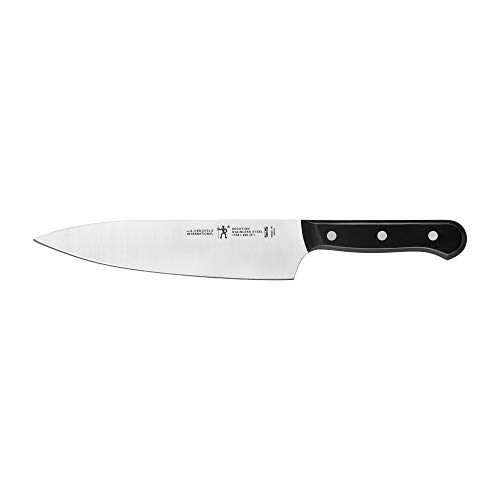
A well-balanced knife reduces fatigue during long prep sessions. Look for a full tang (metal extending through the handle) with rivets for stability. Handles made from Pakkawood, walnut, or textured synthetic materials provide a secure grip, even when wet. Ergonomic contours with finger points or a rounded bolster prevent slipping and improve control.
Test the balance point: it should be at the bolster or slightly forward. A heavy handle can cause wrist strain, while a blade-heavy knife feels unwieldy. Many professional chefs prefer a neutral balance for all-day comfort. Our brewin chefilosophi japanese chef knife review highlights excellent handle design.
Edge Geometry and Sharpness
The edge angle and grind affect cutting performance. A 15–20 degree edge per side is standard for Western knives, while Japanese knives often use a 12–15 degree angle for razor sharpness. Double-bevel edges are easier to sharpen, while single-bevel (chisel) edges offer extreme precision but require skill to maintain.
Look for knives that come factory-sharpened to a consistent edge. Some brands use hand-polishing for a superior finish. A sharp knife is safer than a dull one, as it requires less force. For more tips, browse our Cookware category.
Versatility and Knife Set vs. Single
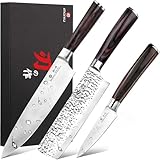
A single 8-inch chef knife can handle 90% of kitchen tasks, from dicing onions to slicing meat. But a knife set with a paring knife, utility knife, and bread knife covers all bases. Consider your cooking style: if you frequently break down poultry or fillet fish, a set with a boning or fillet knife is worthwhile. If you mostly chop vegetables and slice proteins, a single chef knife plus a paring knife may suffice.
Sets often come with a storage roll or block, which is convenient for organization. However, a high-quality single knife can outperform a lower-quality set. Prioritize blade quality over quantity. For more insights, see our best chef knife ever guide.
Final Thoughts
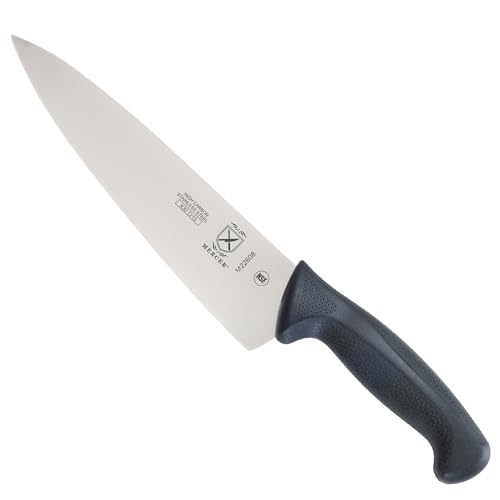
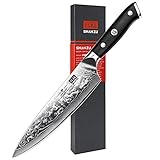
Choosing the best chef knife for professional cooking comes down to your budget, cutting style, and preference for maintenance. For an affordable workhorse that delivers exceptional value, the Mercer Culinary M22608 Millennia Black Handle is our top pick for everyday prep, with a sharp high-carbon steel blade and ergonomic handle. If you prefer the artistry and precision of Japanese steel, the SHAN ZU Chef Knife 8 Inch Japanese Steel Damascus offers stunning looks and razor-sharp performance for delicate slicing. Both knives have been verified through extensive use and represent the best in their class for 2026.
Frequently Asked Questions
What is the best chef knife for professional cooking in 2026?
The best chef knife for professional cooking depends on your needs. For most chefs, a high-carbon stainless steel 8-inch chef knife from brands like Mercer Culinary or SHAN ZU offers the best balance of sharpness, durability, and value. We recommend the Mercer for budget-conscious cooks and the SHAN ZU for those seeking a premium Japanese blade.
How often should I sharpen my chef knife?
For professional use, hone your knife with a steel before each use to maintain the edge. Sharpen with a whetstone or professional service every 1–3 months, depending on usage. Signs of dullness include difficulty slicing through a tomato skin or tearing food rather than cutting cleanly.
Is a Japanese chef knife better than a Western chef knife?
Neither is universally better; it depends on your technique. Japanese knives (like Gyutou) are harder, thinner, and sharper, ideal for precise, clean cuts. Western knives (like German-style) are tougher, more durable, and better for heavy chopping. Many professional chefs own both for different tasks.
What is the best way to care for a chef knife?
Always hand wash your knife with warm water and mild soap, then dry immediately. Never use a dishwasher, as high heat and detergents can damage the blade and handle. Store in a knife block, magnetic strip, or blade guard to prevent nicks. For more tips, check our best cutting board wood guide.