You have a big brisket to carve or a pile of vegetables to dice, and you are staring at your knife block wondering which blade to grab. The chef knife and the slicing knife each excel at different tasks, and picking the wrong one can turn a joyful meal prep into a frustrating chore. This guide breaks down the chef knife vs slicing knife debate so you can choose with confidence. We have evaluated five top-rated knives from trusted brands like Mercer Culinary, HENCKELS, and Cutluxe to show you exactly what each tool does best. Whether you are a home cook or a weekend grill master, understanding these differences will save you time and effort. For more on knife types, check out our chef knife vs carving knife for additional insights.




Buying Guide
Blade Shape and Purpose
A chef knife has a curved blade that allows a rocking motion, perfect for chopping herbs, dicing onions, and mincing garlic. The blade is usually 6 to 8 inches long and wide, giving you control for heavy tasks. In contrast, a slicing knife features a long, narrow blade, often 10 to 14 inches, with a pointed tip for clean, even slices through large roasts or brisket. The shape directly influences what each knife does best, so consider your most common cutting tasks before deciding.
For example, the Cookware category includes many versatile tools, but the chef knife remains the workhorse for daily prep. If you frequently slice cooked meats, the slicing knife’s long blade reduces drag and delivers smooth cuts.
Edge and Sharpness
Both knife types rely on a sharp edge, but their geometry differs. Chef knives often have a 15 to 20 degree angle per side, balancing durability with sharpness for chopping through bones and tough vegetables. Slicing knives, like the Cutluxe Brisket Knife, are hand sharpened to a finer 14 to 16 degree edge, which glides through meat fibers without tearing. A razor-sharp slicing knife ensures your roast beef slices look like they came from a deli.
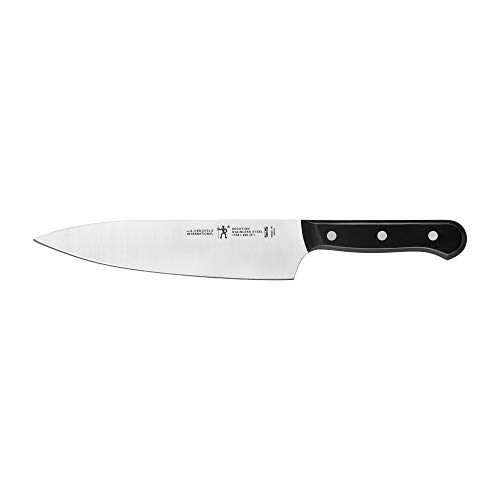
For long-lasting sharpness, look for high-carbon stainless steel blades. The HENCKELS Solution Chef Knife and the imarku Japanese Chef Knife both use premium steel that resists rust and holds an edge well. Regular honing and hand washing will keep any blade performing at its best.
Handle and Ergonomics
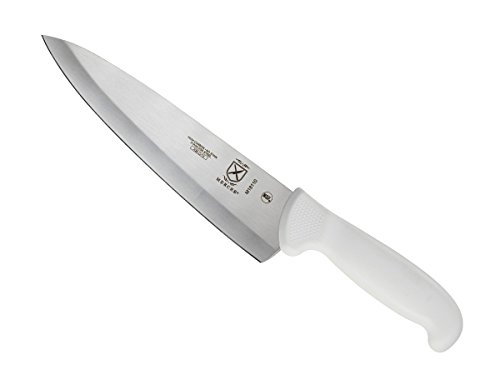
Comfort during extended use matters whether you are mincing garlic or carving a turkey. Chef knives typically have full tang handles with rivets for balance and control. The Mercer Culinary Ultimate White features an ergonomic handle with textured finger points that prevent slipping. Slicing knives often use lightweight materials like pakkawood or ABS plastic to reduce fatigue during long carving sessions.
Try holding a knife before buying if possible. A good handle should feel secure in your hand, with no pressure points. The Cutluxe brisket knife has a triple riveted pakkawood handle that provides both comfort and stability, ideal for heavy use.
Final Thoughts
Choosing between a chef knife and a slicing knife really comes down to what you cook most. If you chop vegetables, mince herbs, and tackle general prep daily, a chef knife like the HENCKELS Solution Razor-Sharp 8-inch Chef Knife offers versatility and precision. If you frequently roast or smoke large cuts of meat, the Cutluxe Brisket Knife, 12″ Carving & Slicing Knife delivers the long, thin blade needed for flawless slices. Both knives are excellent investments, but your kitchen habits will point you to the right one.
Frequently Asked Questions
Can I use a chef knife to slice brisket?
You can, but it may not give you the clean, even slices a slicing knife provides. A chef knife’s curved blade can tear meat fibers, while a long slicing knife glides through with minimal effort. For best results with large roasts, a dedicated slicing knife is worth the investment.
What is the best length for a chef knife vs slicing knife in 2026?
An 8 inch chef knife is the most versatile for most home cooks, balancing control and cutting surface. Slicing knives typically range from 10 to 14 inches; a 12 inch blade is ideal for most briskets and roasts. Choose based on the size of the foods you prepare most often.
How do I maintain a razor sharp edge on my chef knife?
Use a honing steel before each use to realign the edge, and sharpen with a whetstone or a professional sharpener every few months. Hand wash your knife and dry it immediately to prevent corrosion. Avoid dishwashers, as they can dull the blade and damage the handle.
Are Japanese chef knives better than German ones for slicing?
Japanese knives like the imarku Gyutou often have a harder steel and a thinner blade, which can make them excellent for precise slicing. German knives like HENCKELS are more durable and better for heavy chopping. Your choice should match your cutting style and the tasks you perform most.