

You’re staring at a recipe that calls for a saute pan, but all you have is a saucepan. Or maybe you’re building your cookware collection from scratch and wondering if you really need both. It’s a common dilemma: saucepan vs saute pan. They look similar at first glance, but they serve very different purposes. In this guide, we’ll break down the key differences, help you decide which one fits your cooking style, and spotlight six top-rated options for 2026.
Whether you’re a beginner home cook or a seasoned pro, understanding these two pans can elevate your meals. We’ll cover everything from shape and depth to heat conduction and versatility. By the end, you’ll know exactly which pan to reach for when you’re making sauces, searing chicken, or simmering a hearty stew. If you’re also curious about other cookware comparisons, check out our carbon steel pan vs cast iron pan guide for more insights.

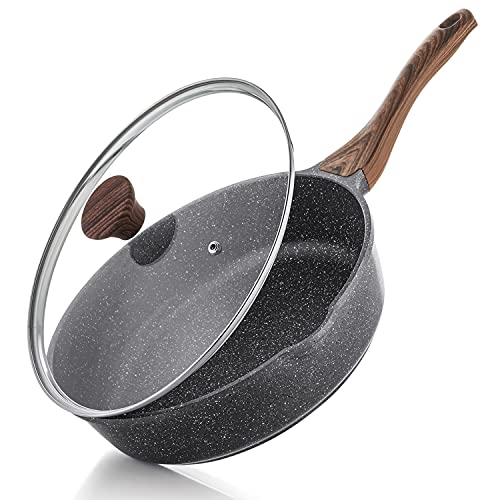
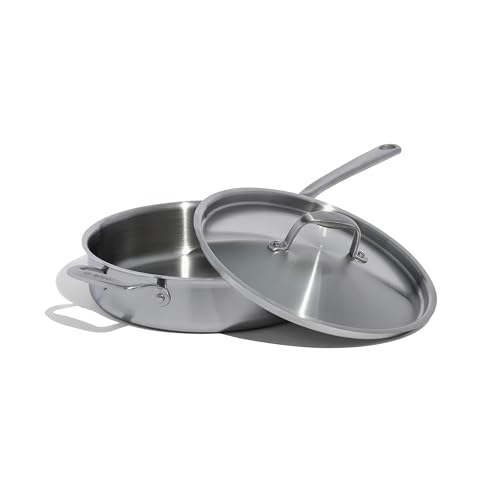
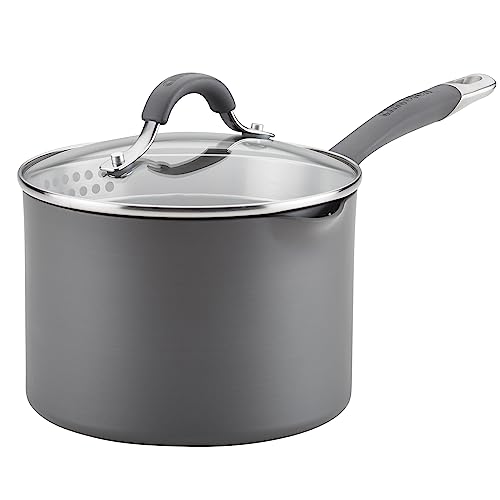


Buying Guide: Saucepan vs Saute Pan
When choosing between a saucepan and a saute pan, several factors come into play. Here are the key criteria we evaluated for the products above.
Shape and Depth
The most obvious difference is shape. A saucepan has tall, straight sides and a smaller diameter, which makes it ideal for cooking liquids like soups, sauces, and boiling grains. The high sides prevent splashing and allow for even reduction.
A saute pan, on the other hand, has wider, flared sides and a larger surface area. This design is perfect for searing, browning, and sauteing at higher temperatures. The extra surface area lets you cook more food at once without crowding, which is key for a good sear.
Heat Conduction and Responsiveness
Materials matter. Aluminum and copper heat up quickly and evenly, while stainless steel offers durability and a non-reactive surface. Hard-anodized aluminum is a popular choice because it combines even heating with a scratch-resistant exterior.
For saute pans, you want a pan that can handle high heat without warping. Look for tri-ply or multi-ply construction, like the Made In 5-ply option, which delivers professional-grade heat distribution. For saucepans, a lighter material is often easier to handle when stirring thick sauces.
If you’re also exploring nonstick options, our Cook’s illustrated best nonstick pan article offers valuable insights.
Nonstick vs. Stainless Steel Surface
Nonstick pans are a dream for low-fat cooking and easy cleanup. Ceramic nonstick coatings are PFAS-free and metal-utensil safe, like the Calphalon Ceramic model. However, nonstick surfaces may not achieve the same deep browning as stainless steel.
Stainless steel saute pans, like the Made In, are perfect for deglazing and creating pan sauces, but they require a bit more skill to prevent sticking. Hybrid pans, such as the SNOWCLAD, combine the best of both worlds: a stainless steel surface with laser-etched nonstick texture.
Versatility and Care
Consider how you’ll use the pan beyond its primary function. Can it go in the oven? Is it dishwasher safe? Does it work on induction? The SENSARTE skillet is induction-compatible and has a pour spout for easy draining.
Oven-safe handles are a plus for recipes that start on the stove and finish in the oven. Also, think about storage: saute pans with lids take up more space, but they double as a covered skillet. For more cookware guidance, you might also browse our top knife set brands article to complete your kitchen arsenal.
Final Thoughts
In the saucepan vs saute pan debate, there’s no single winner: it all depends on what you cook most. If you’re a sauce lover or frequently make soups and grains, a quality saucepan like the Circulon Radiance Hard-Anodized Nonstick Sauce Pan is a reliable workhorse. But if you’re all about searing and one-pan meals, the Calphalon Ceramic Nonstick 3 Quart Saute Pan offers effortless cleanup and even heating. For many kitchens, owning both covers every base, so consider your typical weeknight dinners and choose accordingly.
Frequently Asked Questions
Can I use a saucepan instead of a saute pan?
Technically, you can, but the tall sides of a saucepan trap steam, which prevents proper browning. A saute pan’s wide surface allows moisture to escape, giving you that golden crust. For stir-frying or searing, a saute pan is the better tool.
What is the difference between a saute pan and a frying pan?
A saute pan has straight sides and often comes with a lid, while a frying pan has sloped sides and no lid. The straight sides of a saute pan allow for more volume and reduce splatter, making it ideal for larger batches and sauces.
Which is better for making sauces: saucepan or saute pan?
For classic sauces like béchamel or marinara, a saucepan is the go-to because its tall sides allow for easy whisking and prevent splashes. However, a saute pan is excellent for pan sauces after searing meat, as you can deglaze the fond and reduce the liquid right in the pan.
Are saute pans worth the investment in 2026?
Absolutely, if you enjoy cooking stir-fries, seared meats, or one-pan pastas. A good saute pan can replace a skillet and a wok for many tasks, saving you cabinet space. Look for durable materials and a comfortable handle to make it a long-term kitchen staple.


