You’re prepping dinner, and you reach for your cutting board. But have you ever stopped to think about what it’s actually made of? The material of your cutting board affects everything from knife sharpness to food safety, and even how long your board lasts. With so many options on the market, figuring out the cutting boards best material for your needs can feel overwhelming. That’s exactly why we’ve put together this guide.
We’ll break down the pros and cons of the most popular materials, from classic wood to modern titanium, and review five top-rated boards to help you make an informed decision. Whether you’re a home cook or a professional chef, this guide is for you. We’ll also share the key factors to consider, so you can choose a board that fits your cooking style and lifestyle. If you’re also curious about other kitchen essentials, you might find our guide on the best rated cutting board with juice groove helpful.




Buying Guide: What to Look For in a Cutting Board
Before you pick a board, it helps to understand what makes one material better than another for specific tasks. Here are the key criteria we used to evaluate the boards in this review.
Material and Durability
The material determines how the board feels under your knife and how well it holds up over time. Wood and bamboo are gentle on knife edges but require more maintenance, while plastic and composite boards are more durable and often dishwasher-safe. Titanium is a newer option that’s incredibly strong and resistant to scratches and odors.
Think about your typical cooking routine. If you chop heavy vegetables daily, a sturdy material like titanium or thick plastic will serve you well. If you prefer a classic feel and don’t mind hand-washing, wood is a beautiful choice. For more on cookware materials, you might also enjoy our comparison of stainless steel vs aluminum pans.
Knife Friendliness
A cutting board should protect your knife blades, not dull them. Hard materials like glass or stone can quickly dull knives, while softer materials like wood and plastic are more forgiving. Titanium is a middle ground: it’s hard but still has some give, so it won’t ruin your blades.
If you’ve invested in high-quality knives, you’ll want a board that keeps them sharp. Look for boards that are described as “knife-friendly” or that have a slightly soft surface. For more tips on maintaining your kitchen tools, check out our guide to best quality non stick pans.
Maintenance and Cleaning
No one wants to spend ages scrubbing a cutting board. Some materials are naturally more hygienic and easier to clean than others. Plastic and titanium boards can go in the dishwasher, while wood requires hand-washing and occasional oiling.
Consider your cleaning habits. If you prefer a low-maintenance option, a dishwasher-safe board is a must. For those who don’t mind a little extra care, wood offers a warm aesthetic. If you’re also looking for cookware that’s easy to clean, our best lightweight cast iron skillet guide might interest you.
Size and Storage
Think about your counter space and storage options. Larger boards are great for big tasks but can be cumbersome to store. Smaller boards are convenient but may not be sufficient for large roasts or multiple ingredients.
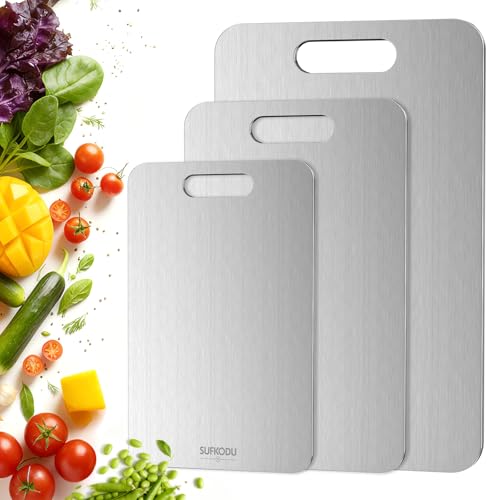
Many boards come in sets with multiple sizes, which is perfect for preventing cross-contamination. Also, look for boards with hanging holes or slim profiles if you have limited drawer space. A good set can cover all your needs without taking up too much room.
Final Thoughts
After evaluating all five boards, we found that the Epicurean Kitchen Series Cutting Board is an excellent all-around choice for most home cooks, offering a lightweight, durable, and dishwasher-safe surface that’s gentle on knives. For those who want the ultimate in hygiene and separation of raw and cooked foods, the Titanium Cutting Board for Kitchen Set provides a versatile, three-piece solution that’s built to last. Whichever you choose, you’ll be upgrading your kitchen with a board that meets your specific needs.
Frequently Asked Questions
What is the best material for a cutting board?
The best material depends on your priorities. Wood is gentle on knives and looks great, plastic is affordable and easy to clean, and titanium is incredibly durable and hygienic. For a balance of all factors, many chefs prefer composite materials like those used by Epicurean.
Are titanium cutting boards worth it?
Titanium cutting boards are worth considering if you want a non-porous, stain-resistant, and odor-free surface. They are lightweight and easy to clean, and they won’t warp or crack. However, they can be harder on knives than wood or plastic, so it’s a trade-off.
How do I clean and maintain a wooden cutting board?
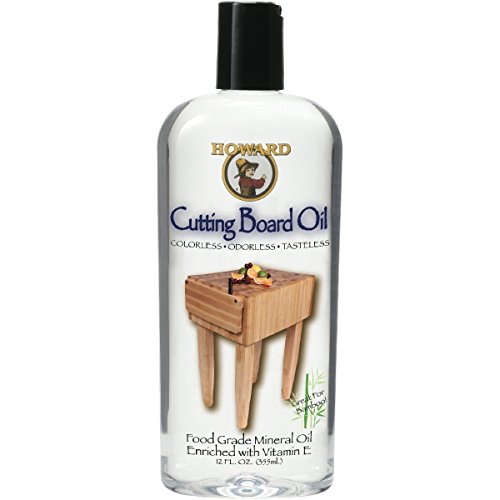
Wooden cutting boards should be hand-washed with mild soap and warm water, then dried immediately. Periodically, apply food-grade mineral oil to keep the wood from drying out and cracking. Avoid soaking them or putting them in the dishwasher, as that can cause warping.
Can I put a plastic cutting board in the dishwasher?
Yes, most plastic cutting boards are dishwasher-safe, which makes them very convenient. Just check the manufacturer’s instructions, as some thinner boards may warp in high heat. For more kitchen tips, explore our blog.