You are in the middle of dicing tomatoes for a fresh salsa, and before you know it, the juices are running all over your countertop, creating a sticky mess. If this scenario sounds all too familiar, then it is time to upgrade to the best stainless steel cutting board with lip. This guide is for home cooks who value hygiene, durability, and a clean workspace. We have evaluated top models from OTAVILEM and SWSKR to help you find the perfect metal cutting board for your kitchen.
Stainless steel cutting boards are gaining popularity because they are non-porous, easy to sanitize, and do not harbor bacteria like wood or plastic. The added lip or juice groove is a game-changer, catching liquids and keeping your counters spotless. Let’s dive into our top picks and what to consider before you buy.



Buying Guide: What to Look for in a Stainless Steel Cutting Board with Lip
Material and Build Quality
The core of any great cutting board is its material. For stainless steel options, you want a food-grade grade like 304 stainless steel. This ensures the board is non-toxic, rust-resistant, and safe for direct contact with food. A thicker gauge also prevents warping and provides a sturdy surface that won’t bend under pressure, even when you are chopping through bones or heavy produce.
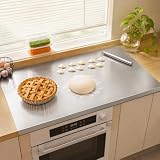
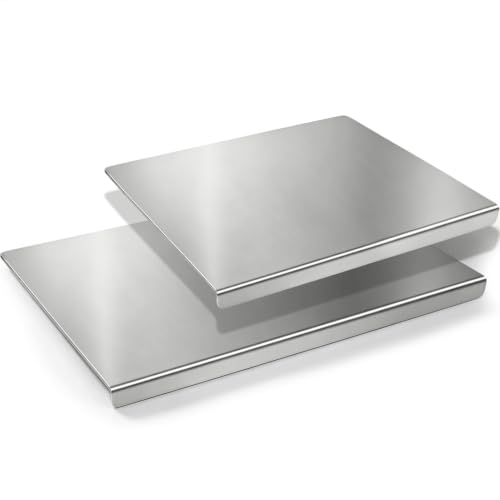
When you compare the OTAVILEM and SWSKR boards, both are made from high-quality stainless steel. The OTAVILEM board features a manual drawing technology on the surface, which increases friction and prevents slipping. The SWSKR board is double-sided and warp-resistant, offering excellent durability. Always check the grade and thickness to ensure you are getting a board that will last for years.
Lip and Juice Groove Design
The defining feature of a cutting board with a lip is its ability to contain liquids. A well-designed juice groove runs along the perimeter, catching meat juices, fruit pulp, and vegetable water. This prevents messes and keeps your countertop clean. The SWSKR board excels here with a built-in juice groove that effectively channels runoff, while the OTAVILEM board has an L-shaped design that fits snugly against your countertop for added stability.
For those who frequently work with raw meats or juicy fruits, a deep groove is essential. It not only keeps your workspace tidy but also reduces the risk of cross-contamination. If you want to see more options, check out our best cutting board with juice groove guide for additional picks.
Ease of Cleaning and Maintenance
One of the biggest advantages of stainless steel cutting boards is their effortless cleanup. Unlike wood, they do not absorb liquids or odors, and they are completely dishwasher safe. A quick rinse or wipe is often enough to keep them spotless. Both the OTAVILEM and SWSKR boards are dishwasher safe, making them a convenient choice for busy cooks.
However, keep in mind that stainless steel can show scratches over time, but this does not affect its performance. To maintain the shine, you can use a mild cleaner. For more kitchen essentials that are easy to clean, explore our cookware collection.
Versatility and Non-Slip Features
A great cutting board should be versatile enough for all your prep tasks. Whether you are chopping vegetables, slicing meat, or rolling out dough, the board should stay put. Look for non-slip features like silicone edges or a textured bottom. The OTAVILEM board’s L-shape helps stabilize it against your countertop, while the SWSKR board is double-sided, giving you two surfaces to work with.
Both boards are suitable for a wide range of food prep, from raw meat to baked goods. This versatility makes them a smart investment for any kitchen. If you are also looking for other durable cookware, our best safest nonstick fry pan guide offers great recommendations.
Final Thoughts
After careful evaluation, the Stainless Steel Cutting Boards from OTAVILEM offers a sleek design with a stable L-shape, perfect for those who want a board that fits flush against their countertop, while the SWSKR Stainless Steel Cutting Board with Lip stands out with its juice groove and double-sided functionality, ideal for messy prep tasks. Both are excellent choices, but your decision should hinge on whether you prioritize a snug fit or liquid containment. Whichever you choose, you are upgrading to a more hygienic and durable cutting surface.
Frequently Asked Questions
Are stainless steel cutting boards safe for knives?
Stainless steel is harder than wood or plastic, which can dull knife blades faster. However, many chefs use them for specific tasks like meat or fish because they are easy to sanitize. To preserve your knife’s edge, use a wooden or plastic board for daily chopping, and reserve stainless steel for when you need maximum hygiene.
Can I put my stainless steel cutting board in the dishwasher?
Yes, most stainless steel cutting boards, including our top picks from OTAVILEM and SWSKR, are dishwasher safe. The high heat and water pressure will not damage the steel, and they will come out spotless. Just avoid using abrasive scrubbers that could scratch the surface.
Do stainless steel cutting boards dull knives faster than wood?
Yes, stainless steel is harder than wood, so it can dull knives more quickly. However, the difference is minimal for most home cooks. If you are concerned, you can use a steel or ceramic knife, or simply sharpen your knives more often. For a balance of durability and knife-friendliness, consider a composite board as an alternative.
How do I remove stains or discoloration from my stainless steel board?
Stains are rare, but if they occur, a paste of baking soda and water can gently polish them away. Rinse thoroughly and dry immediately to prevent water spots. For persistent marks, a stainless steel cleaner works well. Always dry the board after washing to maintain its shine.
For more kitchen insights, check out our comparison of stainless steel pan vs carbon steel pan to understand how different materials perform.