You have invested in a high quality Japanese chef knife, and you want to keep that razor sharp edge for as long as possible. The cutting board you choose matters more than you might think. A hard surface can dull a blade quickly, while a soft, forgiving board helps preserve its keenness. This guide focuses on the best cutting board for Japanese knives, covering top options from Shun, Yoshihiro, Asahi, and more. Whether you are a home cook or a professional chef, you will find a board that suits your style and protects your knife.
We have evaluated 10 cutting boards based on material, surface softness, durability, and ease of maintenance. Our picks range from traditional hinoki cypress to modern rubber and EVA composites, each designed with your knife’s edge in mind. For more on knife care, read our best chef knife review and tips for 2026.




Buying Guide
Material Matters: Wood vs. Rubber vs. EVA
The material of your cutting board directly affects your knife’s edge. Wood boards, especially hinoki cypress, offer a medium soft surface that “gives” slightly with each cut, reducing blade wear. Rubber boards like the Asahi Cookin Cut provide a resilient yet gentle surface that resists deep scratches. EVA boards, such as the Yoshihiro Hi Soft, are engineered to absorb impact, making them ideal for high carbon steel knives.
Each material has unique maintenance needs. Wood requires occasional oiling and careful drying, while rubber and EVA are easy to clean and naturally odor resistant. Consider your prep style and how much care you are willing to invest. Our best cutting board for raw meat guide offers additional insights for heavy duty use.
Size and Thickness for Your Kitchen
Cutting boards come in various sizes, from small boards for quick tasks to extra large boards for full meal prep. A board that is too small can feel cramped, while one that is too large may not fit your counter. Thickness also affects stability: a thicker board (0.8 inches or more) stays put and absorbs more impact, while a thinner board is lighter and easier to store.
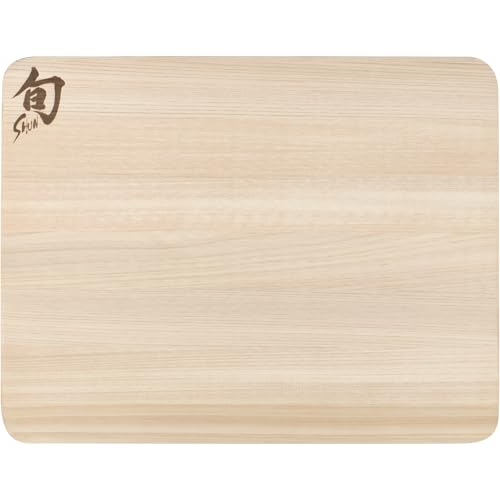
For most home kitchens, a medium board around 15 x 10 inches strikes a good balance. If you have limited counter space, a small board like the Shun Cutlery Small Hinoki Cutting Board is compact yet functional. For heavy prep, consider a large or extra large board with a juice groove to catch liquids.
Surface Texture and Knife Friendliness
A knife friendly surface is soft enough to absorb the blade’s impact but firm enough to provide a stable cutting platform. Look for boards made from hinoki wood, synthetic rubber, or EVA, as these materials are gentle on edges. Avoid hard materials like glass, stone, or hard plastic, which can dull your knife quickly.
Some boards have a slight texture that helps grip food, while others are smooth for easy sliding. The Yoshihiro Hi Soft boards are especially soft, reducing hand and wrist fatigue during long prep sessions. The Asahi Cookin Cut boards offer a balance of softness and durability, with a surface that resists deep grooves.
Ease of Cleaning and Maintenance
Cleaning your cutting board properly prevents bacteria buildup and extends its life. Wood boards should be hand washed with mild detergent and towel dried, then air dried away from direct sunlight. Rubber and EVA boards are more forgiving: they resist odors and stains, and can be sanded lightly to refresh the surface.
For rubber boards, low water absorption means they dry quickly, reducing the risk of warping. The Patelai Japanese Rubber Cutting Board is non porous and resists liquid absorption, making it easy to maintain. Always follow the manufacturer’s care instructions to keep your board in top condition.
Final Thoughts
Choosing the best cutting board for Japanese knives comes down to your priorities: if you value traditional craftsmanship and a natural feel, the Shun Cutlery Hinoki 3 Piece Cutting Board Set offers a beautiful, knife friendly surface in multiple sizes. For a modern, low maintenance option that excels in edge preservation, the Yoshihiro Hi Soft High Performance board is engineered to protect high carbon steel knives and reduce fatigue during long prep sessions. Both are excellent choices that will keep your blades sharp for years to come.
Frequently Asked Questions
What is the best material for a cutting board with Japanese knives?
Hinoki wood, synthetic rubber, and EVA are the top materials for Japanese knives. They are soft enough to protect the blade edge while providing a stable cutting surface. Avoid hard materials like glass or stone.
How often should I replace my cutting board?
With proper care, a high quality board can last several years. Wood boards may need replacement when they develop deep grooves or cracks. Rubber and EVA boards can be sanded to refresh the surface; replace them when they become uneven or excessively worn.
Can I use a bamboo cutting board with Japanese knives?
Bamboo is harder than hinoki and can dull knives faster. It is not recommended for high end Japanese knives. Stick to hinoki wood, rubber, or EVA for best edge retention. For more on knife care, see our best chef knife review and comparison.
How do I clean a hinoki cutting board?
Dampen the board before use to resist staining. After use, wash with mild detergent, towel dry, and air dry away from direct sunlight. For stubborn stains, rub a cut lemon over the area. Never soak the board or put it in the dishwasher.