You are slicing juicy tomatoes for a fresh salad, chopping crisp bell peppers for a stir-fry, and dicing onions for a hearty stew. But as you reach for your cutting board, you notice it is stained, scratched, and slightly warped. It slides around on the counter, making every cut feel unsafe. If this sounds familiar, you are not alone. Finding the best cutting board for home use can transform your daily cooking from frustrating to effortless. In this guide, we have evaluated seven top-rated cutting boards across different materials and styles to help you find the one that fits your kitchen needs and budget. Whether you are a weekend meal prepper or a daily home cook, we have options for you. For more tips on kitchen essentials, check out our guide on best 8 inch chef knife brands to pair with your new board.




Buying Guide
Material Matters
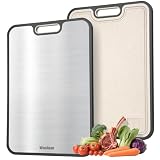
The material of your cutting board directly affects your knives, your food safety, and your cleanup routine. Bamboo boards are naturally antimicrobial and gentle on blades, making them a popular choice for everyday prep. Plastic boards are lightweight, dishwasher-safe, and affordable, ideal for raw meats and easy sanitation. Titanium boards offer a non-porous, odor-resistant surface that is durable and easy to clean, though they may dull knives faster than wood. For a balanced approach, consider a bamboo set for general use and a plastic board for proteins. If you often prepare aromatic ingredients like garlic or fish, a titanium board may be your best bet.
Size and Storage
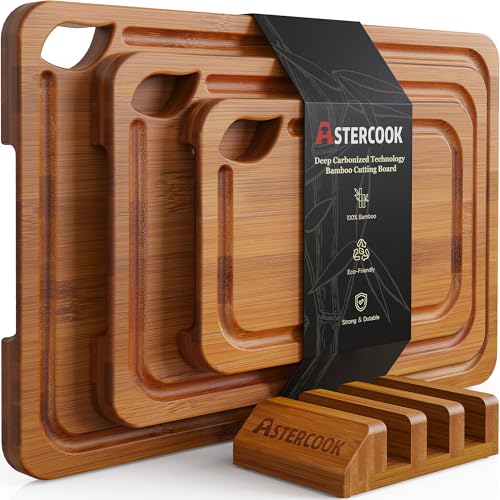
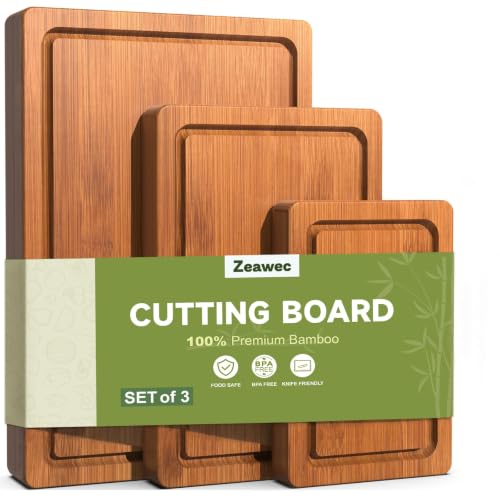
Think about your counter space and how you store your boards. A large board around 15 by 10 inches gives you plenty of room for chopping multiple ingredients, but it can be bulky to store. Sets with multiple sizes let you choose the right board for each task, from quick fruit prep to carving a roast. Look for boards with hanging holes or a storage stand to keep your kitchen organized. A well-designed set can double as a serving platter for cheese or charcuterie, adding versatility. For compact kitchens, a nesting set that fits in a drawer or stands upright is a space-saving solution.
Non-Slip and Juice Grooves
Safety and cleanliness go hand in hand. A non-slip surface, whether from rubber feet or textured edges, keeps your board steady while you chop, reducing the risk of accidents. Juice grooves along the edge catch liquids from meats, fruits, and vegetables, preventing messy spills on your countertop. This feature is especially useful when carving a roast or slicing watermelon. Some boards are reversible, offering a grooved side for prep and a smooth side for serving. For a board that stays put, look for one with high-quality rubber grips. For more on keeping your kitchen clean, see our best pans that are not nonstick guide for easy-care cookware.
Ease of Cleaning
No one wants to spend extra time scrubbing a cutting board. Plastic boards are often dishwasher-safe, making cleanup a breeze. Bamboo and wood boards require hand washing with mild soap and water to prevent warping, but they resist stains and odors when properly sealed. Titanium boards are non-porous and rinse clean quickly, though they may show water spots. Consider your daily routine: if you prefer low-maintenance cleanup, a dishwasher-safe plastic set might be ideal. If you enjoy caring for natural materials, bamboo boards can last for years with proper oiling. For a quick clean option, titanium boards are hard to beat. For more on cookware care, check out our best material for saucepans article.
Final Thoughts
After evaluating these seven cutting boards, we believe the Washour Titanium Cutting Board for Kitchen 16″ x stands out for its innovative titanium surface that resists odors and stains, making it a top choice for home cooks who prioritize hygiene and easy maintenance. For those who love the natural feel of wood and need versatility, the ROYAL CRAFT WOOD Wooden Cutting Boards for Kitchen set offers three sizes with deep juice grooves and side handles, perfect for everything from meal prep to serving. Whichever you choose, investing in a quality cutting board will elevate your cooking experience and keep your kitchen running smoothly for years to come.
Frequently Asked Questions
What is the best material for a cutting board for home use?
The best material depends on your needs. Bamboo is durable, knife-friendly, and naturally antimicrobial. Plastic is affordable, dishwasher-safe, and great for raw meats. Titanium is non-porous and odor-resistant, ideal for frequent use. For most home cooks, a bamboo or plastic board offers the best balance of performance and value in 2026.
How often should I replace my cutting board?
Replace your cutting board when it develops deep grooves, cracks, or warping that cannot be cleaned. For plastic boards, replace every one to two years, or sooner if heavily used. Bamboo and wood boards can last several years with proper care, such as regular oiling and hand washing. Always inspect your board for signs of wear to ensure food safety.
Can I use a bamboo cutting board for raw meat?
Yes, bamboo boards are safe for raw meat, but it is best to use a separate board for raw proteins to avoid cross-contamination. Many bamboo sets include multiple sizes, so you can designate one for meat and another for produce. Always wash the board thoroughly with hot, soapy water after use, and consider a plastic board if you prefer dishwasher sanitation.
How do I prevent my cutting board from slipping?
Look for cutting boards with non-slip rubber feet or silicone edges that grip the countertop. You can also place a damp paper towel or a non-slip mat under the board for extra stability. Many modern boards, like the GORILLA GRIP Cutting Board, feature built-in slip resistance for safe chopping. For more kitchen safety tips, read our best non stick pan for eggs and omelettes guide.