You are standing in your kitchen, a pile of vegetables on the cutting board, and a dull, wobbly knife in your hand. Every slice is a struggle, every dice a frustration. You know a better blade would transform your cooking, but the sheer number of options is overwhelming. This guide is here to change that. We have assessed, compared, and rated the top chef knives on the market to bring you a clear, honest review. Whether you are a seasoned home cook or just starting your culinary journey, we will help you find the knife that fits your hand, your budget, and your cooking style. For a deeper look at how a chef knife compares to other kitchen blades, check out our comparison of a chef knife vs utility knife.




Buying Guide
Blade Steel and Hardness
The heart of any chef knife is its blade steel. High-carbon stainless steel is the gold standard, offering a balance of sharpness, edge retention, and corrosion resistance. Look for knives with a higher carbon content, as this directly impacts hardness and durability. A Rockwell hardness rating of 56 or higher is a good indicator of a blade that will hold its edge through heavy use. For example, the imarku Japanese Chef Knife features 0.6-0.75% carbon, making it twice as hard as standard knives. Similarly, the Brewin CHEFILOSOPHI set boasts a 56+ Rockwell rating, ensuring long-lasting sharpness.
Handle Design and Ergonomics
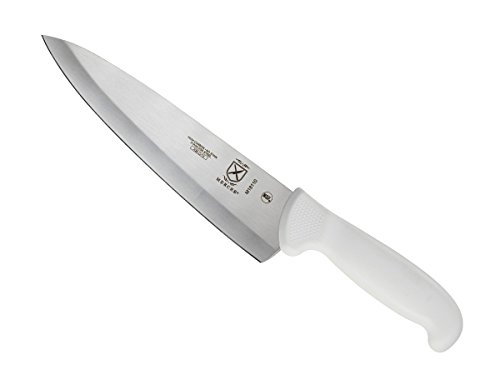
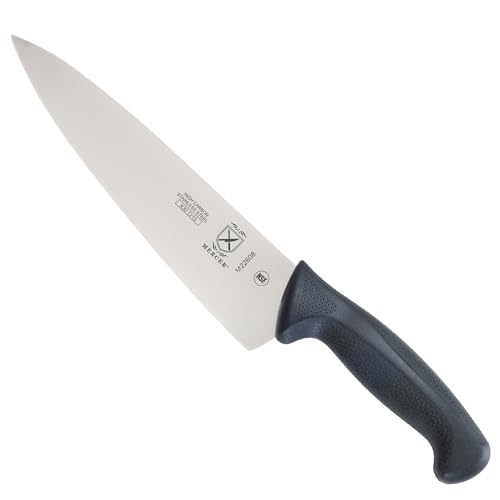
A knife’s handle is your direct connection to the blade. A comfortable, non-slip grip is essential for control and safety, especially during prolonged use. Look for handles made from materials like Pakka wood, Micarta, or textured Santoprene. These materials provide a secure grip even when wet and help reduce hand fatigue. The Mercer Culinary Ultimate White features an ergonomic handle with textured finger points for a secure hold. If you have smaller hands, you might want to read our guide on the best chef knife for small hands.
Edge Sharpness and Geometry
The sharpness of a knife is defined by its edge geometry. A thinner edge angle, typically around 15 degrees per side, allows for effortless, precise cuts. Many high-quality knives are hand-sharpened to achieve this level of sharpness. The MOSFiATA 8-inch chef knife, for example, is hand-sharpened to a 16-degree angle per side. A razor-sharp edge not only makes cutting easier but also safer, as it requires less force and is less likely to slip. A well-maintained edge will also stay sharper for longer, reducing the need for frequent sharpening.
Overall Balance and Weight
A well-balanced knife feels like a natural extension of your hand. The weight should be distributed evenly between the blade and the handle, allowing for controlled, fluid movements. A knife that is too heavy can cause fatigue, while one that is too light may lack the momentum needed for efficient chopping. Full tang construction, where the blade extends through the handle, is a hallmark of a well-balanced knife. The PAUDIN Chef Knife, for instance, is designed with a blade integrated into a soft, comfortable handle for optimal balance. For more on choosing the right cookware for your kitchen, visit our Cookware category page.
Final Thoughts
After evaluating all nine knives, our top recommendation depends on your specific needs. For the home cook seeking outstanding value and a razor-sharp edge, the imarku Japanese Chef Knife-Sharp Kitchen Knife 8 is an exceptional choice, offering high-carbon steel and an ergonomic handle at a very accessible price. If you need a complete set that combines elegance with professional performance, the Brewin CHEFILOSOPHI Japanese Chef Knife Set 5 PCS provides five versatile knives with beautiful Pakka wood handles and a durable German stainless steel construction. Whichever you choose, a quality chef knife will elevate your cooking experience and make every meal preparation a joy.
Frequently Asked Questions
What is the best chef knife for beginners in 2026?
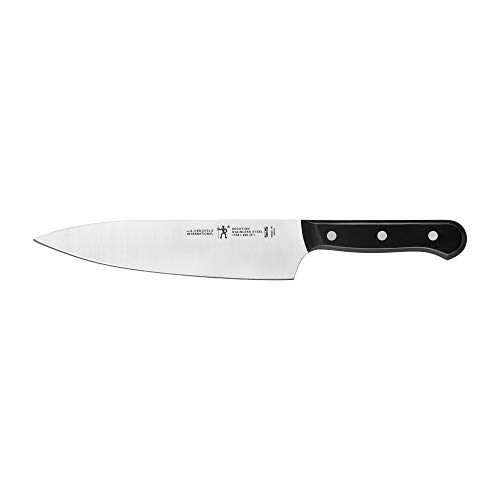
For beginners, we recommend the Mercer Culinary Ultimate White or the HENCKELS Solution Razor-Sharp 8-inch Chef Knife. Both offer excellent value, comfortable handles, and sharp blades that are easy to maintain. They are affordable enough for a first knife but perform well enough to last for years.
How do I keep my chef knife sharp?
Regular honing with a honing steel will help maintain the edge between sharpenings. For actual sharpening, use a whetstone or a quality electric sharpener. Avoid using a dishwasher, as the high heat and harsh detergents can dull the blade and damage the handle. Hand washing and drying immediately after use is always best.
Is a Japanese chef knife better than a German one?
Neither is inherently better; it depends on your preference. Japanese knives, like the imarku or SHAN ZU, are typically harder and sharper, allowing for thinner, more precise cuts. German knives, like the HENCKELS, are often more durable and can withstand heavier tasks like chopping through bones. Many home cooks find a Japanese gyutou knife to be a versatile and excellent all-around choice.
What is the difference between a chef knife and a utility knife?
A chef knife, usually 8 inches, is a multi-purpose blade for chopping, slicing, and dicing. A utility knife is smaller, around 5 inches, and is better for tasks like peeling, trimming, and cutting smaller items. For a detailed breakdown, read our article on chef knife vs utility knife.