You are prepping dinner, and your old knife is dragging through onions instead of gliding. A dull, unbalanced blade turns a simple meal into a chore. That is why so many home cooks now look for the best American made chef knife: a tool built with quality steel, thoughtful balance, and a handle that feels secure in your hand.
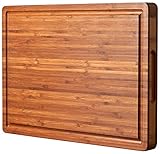
This guide covers six standout chef knives from trusted brands like HENCKELS, Mercer Culinary, and Shun. We explain what to look for in steel, edge geometry, and handle design, then point you toward the right blade for your cooking style. A good knife also deserves a solid surface, so pair it with one of our best cutting board picks for every kitchen.



How to Choose a Chef Knife
Blade Steel and Hardness
The steel determines how long your edge lasts and how easy the knife is to maintain. High-carbon stainless steels like German EN1.4116 or Japanese VG-MAX hold a sharp edge while resisting corrosion. Look for a Rockwell hardness in the 56–61 range for a practical balance of sharpness and toughness.
Softer steels sharpen quickly but dull faster, while very hard steels keep an edge longer but can chip if mistreated. For most home cooks, a mid-range hardness paired with good technique is the sweet spot. If you are building a full set, our guide to the best kitchen knife set under $100 can help you round out your collection.
Edge Geometry and Sharpness
A chef knife’s cutting angle affects how it slices and how often you need to hone it. Japanese-style knives often feature a 16-degree edge per side for effortless precision, while many German-style blades use a slightly wider angle for durability. Either works well if you match it to your cutting habits.
Full tang construction, where the steel runs through the handle, adds stability and better balance. A well-balanced knife reduces wrist fatigue during long prep sessions, especially when you are chopping dense vegetables or breaking down meat.
Handle Comfort and Grip
The handle is where your hand meets the tool, so comfort matters as much as sharpness. Pakkawood, Micarta, and textured synthetic handles all offer secure grips, but the shape and contouring make the real difference. Look for finger points or a contoured design that keeps your hand from slipping toward the blade.
If you often work with raw proteins, a knife that stays steady on slippery surfaces is essential. Pair it with a dedicated cutting board for raw meat and poultry to keep your prep safe and organized.
Maintenance and Care
Even the best blade needs proper care to perform. Hand washing and immediate drying protect the edge and finish, while regular honing keeps the knife aligned between sharpenings. Some knives are dishwasher-safe, but hand washing remains the safest route for longevity.
Consider whether the manufacturer offers sharpening services or warranties. Brands like Shun provide free sharpening, which adds long-term value. Store your knife on a magnetic strip or in a block to protect the edge and prevent accidents.
Final Thoughts
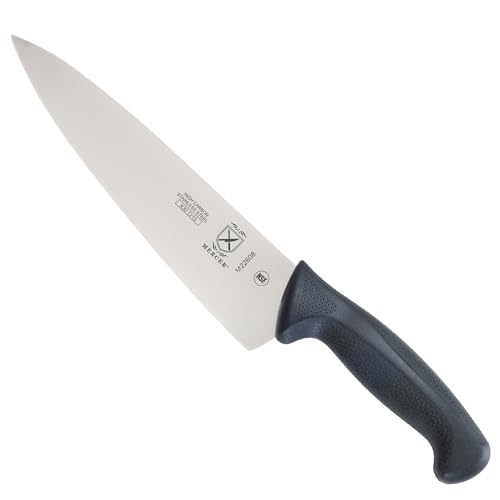
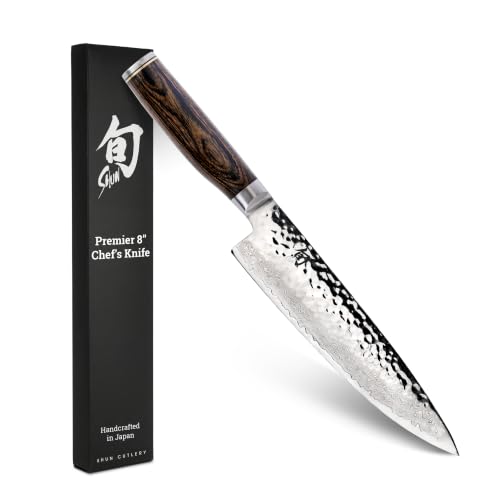
For an everyday workhorse that balances price and performance, the Mercer Culinary M22608 Millennia Black Handle is a dependable choice for home cooks. If you want premium craftsmanship and a razor-sharp Japanese edge, the Shun Premier 8″ Chef’s Knife delivers exceptional control and beauty. Either way, you will feel the difference in every slice.
Frequently Asked Questions
What makes a chef knife American made?
A chef knife is considered American made when it is manufactured in the United States, often with domestic steel and labor. Some brands assemble knives here from imported components, so check the product details for country of origin. Supporting American manufacturing also means you can often reach customer service and warranty support more easily.
How often should I sharpen my chef knife?
For most home cooks, a full sharpening every three to six months is sufficient, with honing every few uses to maintain alignment. If you cook daily or work with tough ingredients, you may need to sharpen more often. A honing rod is not a sharpener, so keep them separate in your routine.
Is a heavier or lighter chef knife better?
Heavier knives offer momentum for chopping and feel sturdy, while lighter knives reduce fatigue during long sessions. The right choice depends on your strength and cutting style. Many cooks prefer a mid-weight blade that balances control and comfort.
Can I put my chef knife in the dishwasher?
Some knives are labeled dishwasher-safe, but hand washing is always the safer option. Dishwasher heat and harsh detergents can dull the edge and damage the handle over time. Rinse, wash with mild soap, and dry immediately to keep your knife in top condition for years.