If your air fryer food is not getting crispy, the most common reason is that you are overcrowding the basket, which blocks hot air circulation. Air fryers rely on rapid air movement to create a crispy exterior, and when pieces overlap, steam gets trapped instead of escaping. Other frequent causes include using too little oil, skipping the preheat step, or cooking at too low a temperature.
Overcrowding the Basket Blocks Airflow
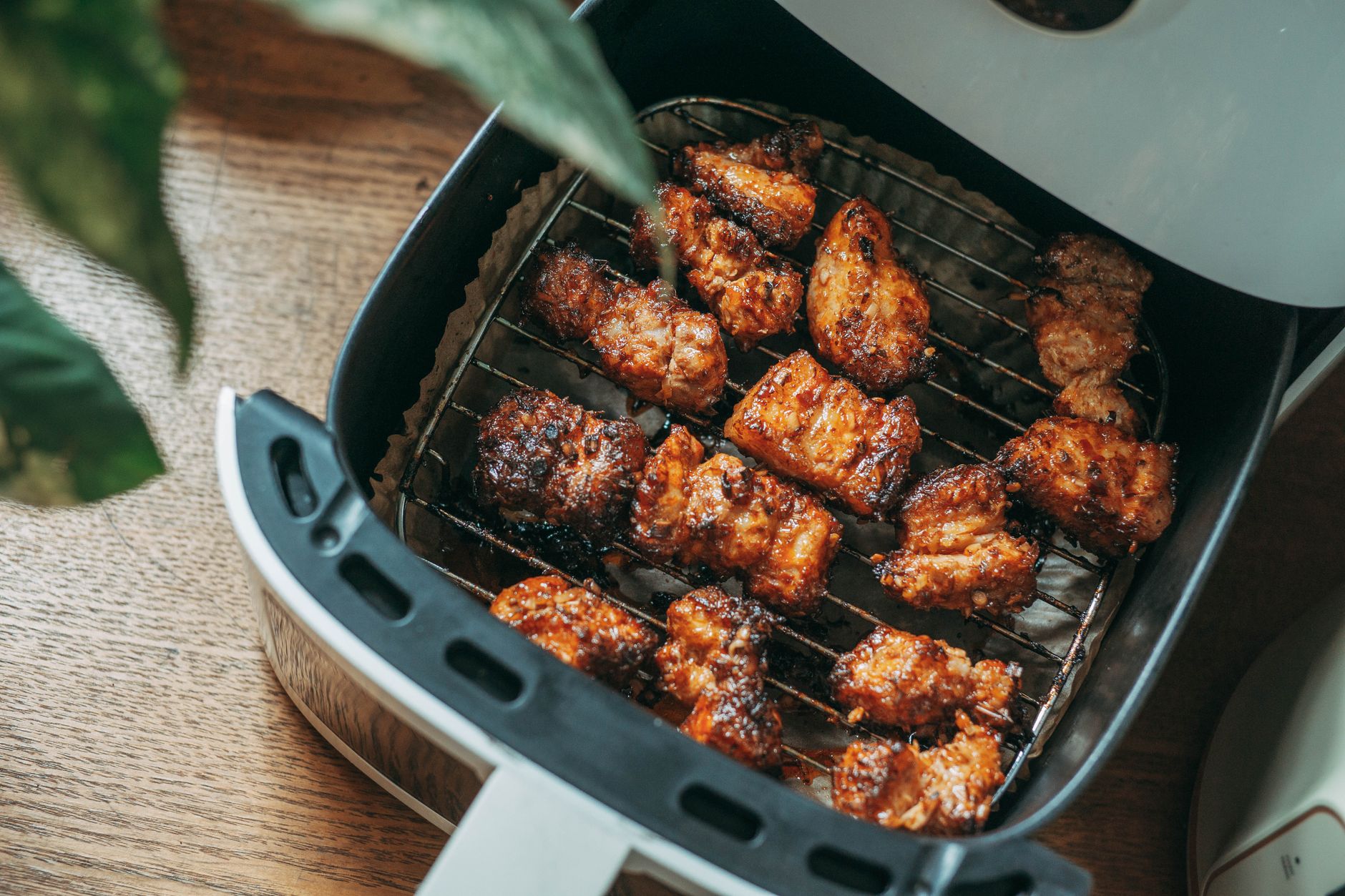
When you pack too many food items into the air fryer basket, the hot air cannot circulate around each piece. This leads to uneven cooking and a steamed, soggy texture instead of a crispy one. The air fryer works best when food is arranged in a single layer with a little space between each piece.
If you need to cook a large batch, cook in multiple smaller batches rather than trying to fit everything at once. This might take more time, but the results will be much crispier. Even a small gap between pieces makes a big difference in airflow.
Using Too Little Oil or the Wrong Type
Oil helps conduct heat and promotes browning, giving food that golden, crispy exterior. Many people assume an air fryer requires no oil at all, but a light coating is often necessary. Without enough oil, food can dry out on the inside while remaining pale and soft on the outside.
Use a spray bottle or a brush to apply a thin, even layer of oil with a high smoke point, such as avocado or canola oil. Avoid using too much, as excess oil can cause smoking or make food greasy instead of crispy.
Skipping the Preheat Step
Preheating your air fryer ensures that the cooking chamber is already hot when you add the food. If you skip this step, the food starts cooking in a cooler environment, which can extend cooking time and prevent proper crisping. Most air fryers require 3 to 5 minutes of preheating.
Simply run the air fryer empty at the desired cooking temperature for a few minutes before adding your food. This small step can make a noticeable difference in the final texture, especially for foods that benefit from an immediate sear.
Cooking at the Wrong Temperature or Time
If the temperature is set too low, the air fryer will cook the food slowly, allowing moisture to escape gradually without creating a crisp crust. Conversely, too high a temperature can burn the outside before the inside is cooked through. Finding the right balance is key.
Most recipes suggest a temperature between 350°F and 400°F (175°C to 200°C) for crispy results. Check your food a few minutes before the recommended time and adjust as needed. Every air fryer runs slightly differently, so you may need to experiment.
Using Wet Batter or Breading
Air fryers are not designed for wet batters like those used for deep frying. The rapid air circulation tends to blow the batter off the food before it sets, leaving a messy, uneven coating. Instead, use dry breading or a light coating of oil and breadcrumbs.
If you want a crispy coating, dip the food in egg or milk first, then coat it with seasoned breadcrumbs, panko, or a flour mixture. Let the breaded food rest for a few minutes before air frying to help the coating adhere better.
Not Drying Frozen Food Before Cooking
Frozen foods like french fries, chicken nuggets, or vegetables often come with a layer of ice crystals or frost. When added directly to the air fryer, this moisture turns into steam, making the food soggy. Patting the food dry with a paper towel removes excess moisture.
For best results, shake off any loose ice, then blot the food dry. You can also lightly spray with oil before cooking to help the exterior crisp up. This simple step works especially well for frozen potatoes and breaded items.
How to Fix Soggy Air Fryer Food
- Cook in small, single layer batches to ensure proper airflow.
- Apply a thin, even coat of oil before cooking.
- Always preheat the air fryer for 3 to 5 minutes before adding food.
- Use the recommended temperature (usually 350°F to 400°F) and check food early.
- Stick to dry breading or coatings instead of wet batter.
- Pat frozen food dry to remove ice crystals before cooking.
If you consistently find that your air fryer is too small for the meals you want to cook, a larger capacity model might solve the overcrowding issue. You can explore our air fryer size comparison to find a better fit for your kitchen.
When crowding is the real issue, a two-drawer design lets you keep everything in a single layer, so see our picks for dual basket air fryers.
Frequently Asked Questions
Why is my air fryer food soggy even after cooking it longer?
If you already increased cooking time and the food is still soggy, the issue is likely moisture getting trapped. Check for overcrowding, insufficient oil, or a missing preheat step. Adding extra time without addressing these factors will not improve crispiness.
Can I add more oil to make my air fryer food crispier?
Yes, a light coating of oil can help, but too much oil can cause smoking or a greasy texture. Use a spray bottle to apply a thin, even layer. Avoid pouring oil directly onto food, as it may pool in the basket.
Should I flip food halfway through air frying?
Flipping or shaking the basket halfway through cooking helps ensure even browning and crispiness on all sides. This is especially important for items like fries, chicken pieces, or vegetables. Most air fryer recipes recommend shaking the basket once or twice.
Does the type of air fryer affect crispiness?
Different air fryer models can have variations in airflow, wattage, and basket design, which may affect how crispy food gets. Older or lower wattage models may struggle to achieve the same results as newer, higher powered ones. If you have tried all tips and still get soft food, a different model might help.
The most common reason air fryer food is not getting crispy is overcrowding, but fixing that along with the other causes above will get you the crunch you want. For a deeper look at how capacity affects performance, check our air fryer size comparison.