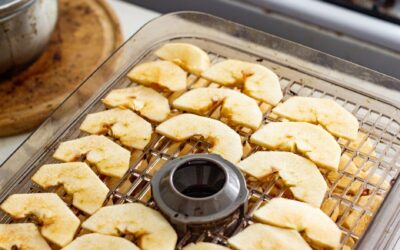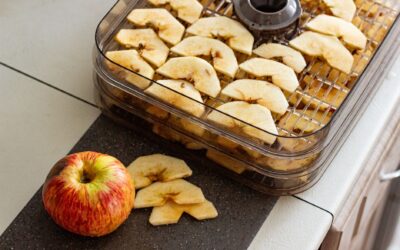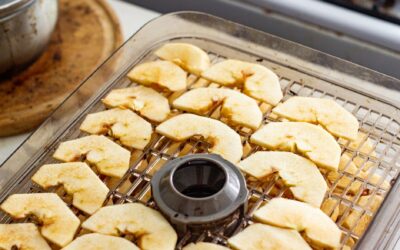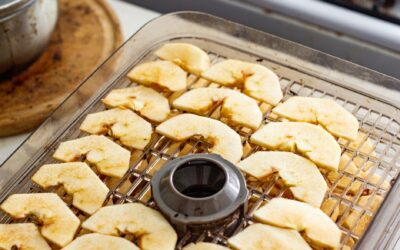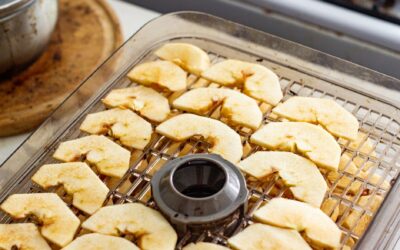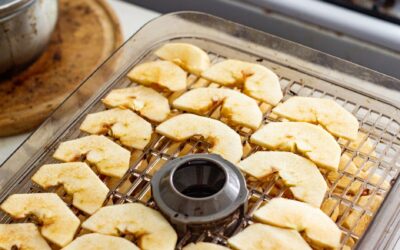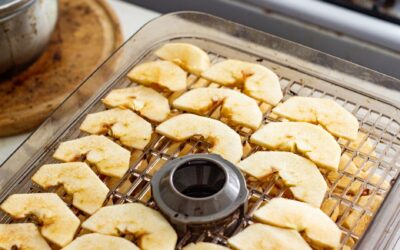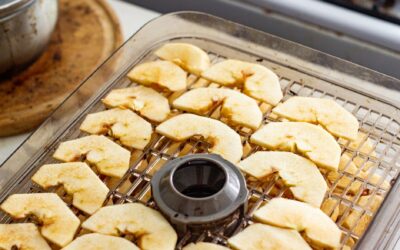
The best way to clean dehydrator trays is to soak them in hot, soapy water immediately after use, then scrub with a non-abrasive sponge. This simple step prevents food particles from hardening and makes the rest of the cleaning process much easier. For tougher residue, a diluted vinegar solution can help break down stuck-on bits without damaging the trays.
Why Cleaning Dehydrator Trays Can Be Tricky
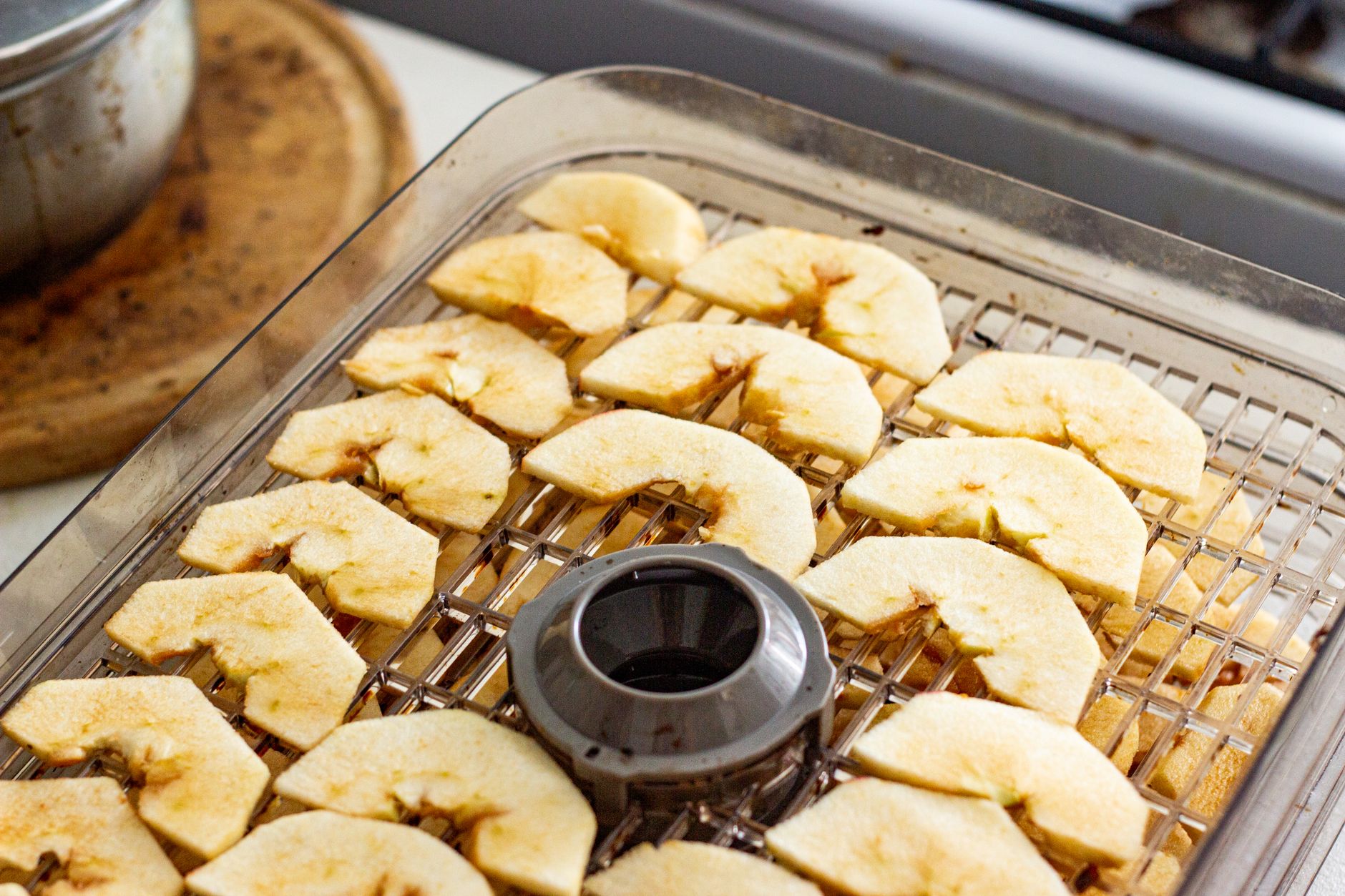
Dehydrator trays are designed with small holes or slots to allow airflow. These openings can trap food particles, especially from sticky fruits like mangoes or apricots. If you leave residue to dry, it can become cemented to the tray, requiring more effort to remove.
Many trays are also made from plastic, which can be scratched by abrasive scrubbers. Scratches create hiding spots for bacteria, making future cleaning harder. Glass or stainless steel trays are more durable but still need careful handling to avoid damage.
Immediate Post-Use Cleaning
Right after you finish dehydrating, remove the trays and rinse them under warm water. This prevents food from drying onto the surface. Use a soft brush or cloth to gently scrub away any visible bits.
For most dehydrators, a quick wash with dish soap and warm water is sufficient. Rinse thoroughly and let the trays air dry completely before storing. This routine keeps your trays clean and prevents odors from developing.
Dealing with Stuck-On Residue
When food has already hardened onto the trays, soaking is your best friend. Fill your sink or a large basin with hot water and a few drops of dish soap. Submerge the trays completely and let them soak for 30 minutes to an hour.
For stubborn spots, you can add a quarter cup of white vinegar to the soak. The acidity helps break down dried-on sugars and proteins. After soaking, use a non-abrasive sponge or nylon brush to scrub the residue away. Avoid steel wool or harsh scrubbers, as they can scratch plastic trays.
Cleaning Plastic vs. Metal Trays
Plastic trays are common in budget dehydrators, but they are prone to warping in high heat and can stain from colored foods like beets or berries. To clean plastic trays, avoid boiling water and stick to warm, soapy water.
Metal or mesh trays are more durable and often dishwasher-safe. You can place them in the top rack of your dishwasher for thorough cleaning. However, acidic foods like tomatoes can sometimes react with certain metals, so hand washing is still recommended for those messes.
Removing Odors from Dehydrator Trays
Strong-smelling foods like garlic, onions, or fish can leave lingering odors on your trays. To neutralize these smells, soak the trays in a solution of baking soda and water for about 30 minutes. Baking soda absorbs odors naturally.
Another method is to wipe the trays down with a cloth dipped in lemon juice. The citric acid helps eliminate smells and leaves a fresh scent. Always rinse thoroughly after using any cleaning solution.
How to Prevent Stains and Buildup
Using dehydrator liners or parchment paper can significantly reduce the mess on your trays. These barriers catch drips and prevent food from sticking directly to the surface. After use, simply peel off the liner and wash the tray as usual.
Another tip is to spray the trays lightly with non-stick cooking spray before loading them, especially for foods with high sugar content. This creates a thin protective layer that makes cleaning much easier.
What to Do: A Quick Cleaning Routine
- Rinse trays with warm water immediately after use.
- Soak trays in hot, soapy water for 30 minutes if residue is present.
- Use a vinegar solution for stubborn, dried-on food.
- Neutralize odors with a baking soda soak or lemon juice wipe.
- Use tray liners or non-stick spray to prevent future buildup.
Maintaining your dehydrator is similar to caring for other kitchen appliances. For tips on keeping your coffee maker scale-free, read our guide on how to remove coffee maker mineral buildup. The same principle of regular cleaning applies to extend the life of your appliances.
Frequently Asked Questions
Can I put dehydrator trays in the dishwasher?
It depends on the tray material. Many metal or mesh trays are dishwasher-safe, but plastic trays can warp or become brittle from the high heat. Check your manufacturer’s instructions to be sure.
How do I clean burnt-on residue from dehydrator trays?
Soak the trays in a solution of hot water and baking soda overnight. The baking soda helps loosen burnt-on particles. Then scrub gently with a non-abrasive pad. Avoid harsh chemicals that might damage the tray surface.
Can I use bleach to sanitize dehydrator trays?
Bleach is not recommended, as it can react with plastic or leave harmful residues. Instead, use a mixture of white vinegar and water for sanitizing. This is safe, effective, and doesn’t leave chemical aftertaste.
How often should I clean my dehydrator trays?
Clean the trays after every use to prevent food residue from hardening and to maintain hygiene. If you use the dehydrator frequently, a more thorough cleaning once a month with vinegar will help keep them in good condition.
Related Guides
Final Thoughts
Cleaning dehydrator trays doesn’t have to be a chore if you stay consistent. Soaking, gentle scrubbing, and using liners are the keys to hassle-free maintenance. For more kitchen care tips, check out our guide on removing mineral buildup from coffee makers.