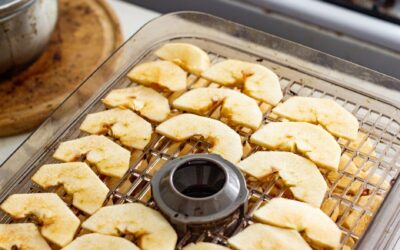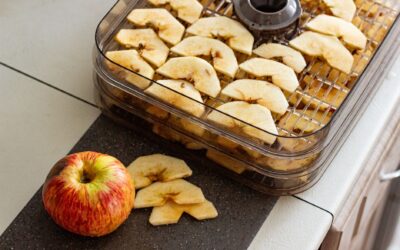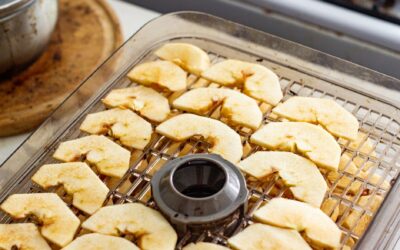
To clean a food dehydrator, start by unplugging it and removing all trays and inserts, then wash them in warm soapy water, wipe down the interior with a damp cloth, and dry everything thoroughly before reassembling. This basic routine prevents mold, bacteria, and residue buildup that can affect future batches. However, the exact method depends on whether your dehydrator has a heating element or fan that needs extra care. Always consult your manual for specific instructions, but the steps below cover the most common designs.
Cleaning the Trays and Inserts
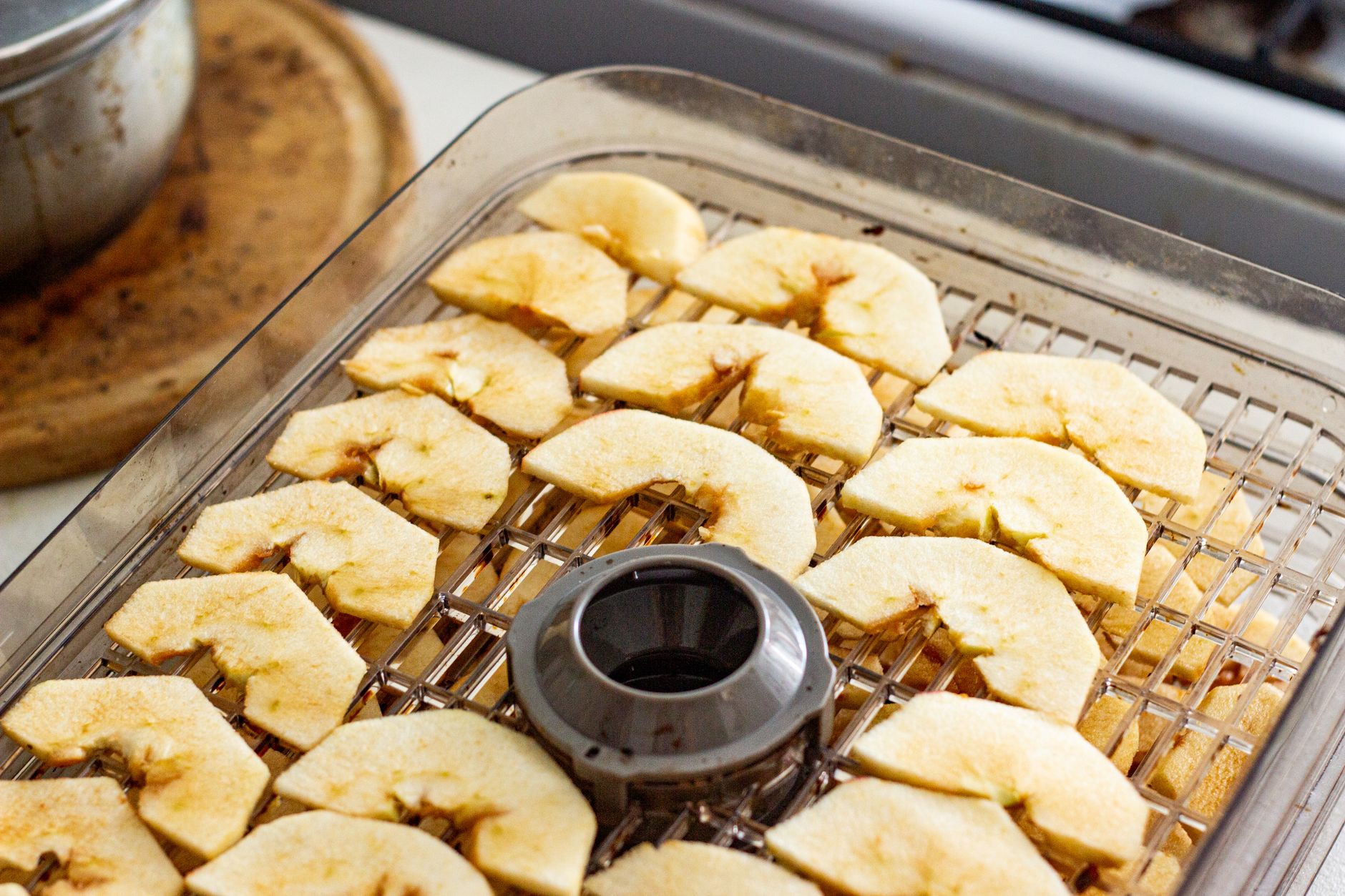
Most dehydrator trays are dishwasher safe, but check your manual first. If they are not, wash them by hand using a soft sponge and mild dish soap. Avoid abrasive scrubbers that can scratch the surface and create crevices for bacteria.
For sticky residue, soak the trays in warm, soapy water for 15 to 20 minutes before scrubbing. Rinse thoroughly and let them air dry completely before stacking them back in the dehydrator.
Cleaning the Heating Element or Base
The heating element is often located at the bottom or back of the dehydrator. Never submerge it in water. Instead, use a damp cloth or a soft brush to gently wipe away any food particles or grease.
If the element has burnt-on residue, make a paste of baking soda and water, apply it with a cloth, let it sit for a few minutes, then wipe clean. Be careful not to drip liquid into any openings.
Cleaning the Fan and Interior Walls
The fan circulates warm air, so it can collect dust and food debris over time. Use a soft brush or a vacuum with a brush attachment to clean the fan blades gently. Hold the fan still to prevent it from spinning while you clean.
Wipe the interior walls with a damp microfiber cloth. For stubborn spots, use a solution of equal parts water and white vinegar. Avoid getting moisture near electrical components.
Removing Stubborn Residue and Stains
Dried-on fruit or tomato stains can be tough. Make a paste of baking soda and water, apply it to the stained area, and let it sit for 10 minutes. Then scrub gently with a non-abrasive sponge.
For plastic trays, a mixture of lemon juice and baking soda can help lift stains without damaging the material. Rinse thoroughly after cleaning to remove any residue.
Cleaning the Exterior and Control Panel
The exterior can be wiped with a damp cloth and mild detergent. For the control panel, use a slightly damp cloth and avoid excess moisture around buttons and dials. Dry immediately with a soft towel.
If your dehydrator has a digital display, use a microfiber cloth to prevent scratches. Never spray cleaner directly onto the panel; spray onto the cloth first.
Regular Maintenance to Keep Your Dehydrator Clean
After every use, empty and clean the trays and interior. This prevents odors and cross-contamination between batches. Once a month, give the fan and heating element a more thorough cleaning.
Store your dehydrator with the door slightly open or the trays removed to allow air circulation and prevent mold growth. Following these habits will extend the life of your machine.
Step-by-Step Cleaning Routine
- Unplug the dehydrator and allow it to cool completely.
- Remove all trays, inserts, and any mesh sheets.
- Wash trays and inserts in warm soapy water or run them through the dishwasher if safe.
- Wipe the heating element and base with a damp cloth.
- Clean the fan and interior walls with a soft brush or vacuum.
- Treat stubborn stains with a baking soda paste.
- Wipe the exterior and control panel with a damp cloth.
- Dry every part thoroughly before reassembling.
If you also own a coffee maker, keeping it clean is just as important for flavor and longevity. Check out our guide on how to clean a coffee maker for similar step-by-step advice.
Related Guides
Frequently Asked Questions
Can I put dehydrator trays in the dishwasher?
Many dehydrator trays are dishwasher safe, but check your manual first. High heat can warp some plastics, so use the top rack and avoid the heated dry cycle if possible. Hand washing is always a safe alternative.
How often should I clean my food dehydrator?
Clean the trays and interior after every use to prevent residue buildup. Give the fan and heating element a deeper clean once a month or after heavy use. If you notice odors or mold, clean immediately.
Is it safe to use vinegar to clean a dehydrator?
Yes, white vinegar is safe for most dehydrator parts. Dilute it with equal parts water for general cleaning. Avoid using vinegar on aluminum parts, as it can cause discoloration. Rinse thoroughly afterward.
How do I remove mold from a dehydrator?
Wipe moldy areas with a solution of one tablespoon bleach per quart of water, or use undiluted white vinegar. Scrub gently with a soft brush, then rinse well and dry completely. Ensure the dehydrator is fully dry before using it again.
Can I use bleach to sanitize my dehydrator?
Bleach can be used in a diluted solution (one tablespoon per gallon of water) for sanitizing after mold or heavy contamination. Rinse thoroughly with clean water afterward. Avoid bleach on metal parts to prevent corrosion.
Cleaning your food dehydrator regularly keeps it running efficiently and ensures safe, tasty results every time. For more tips on maintaining other kitchen appliances, see our complete guide on how to clean a coffee maker.