Your coffee tastes bitter because too many soluble compounds have been pulled from the grounds, or because the beans themselves are stale or over-roasted. The most common reason is over-extraction, which happens when your grind is too fine, your water is too hot, or your brew time is too long. Other causes include dirty equipment, hard water, and an incorrect coffee-to-water ratio. Understanding why does my coffee taste bitter is the first step to fixing it.
Over-Extraction from Grind Size or Brew Time
Grind size is the most common factor. If your coffee grounds are too fine, water passes through slowly and pulls out bitter compounds, especially tannins. A drip machine or pour-over needs a medium grind; espresso needs fine, but if it’s too fine, you’ll get a harsh taste.
Brew time also matters. Leaving coffee in a French press for more than four minutes, or running a drip cycle too long, over-extracts the grounds. The result is a bitter, astringent cup that masks the coffee’s natural flavors.
Water Temperature Too High
Water between 195°F and 205°F is ideal. If your coffee maker heats water above that range, it can scorch the grounds and release bitter compounds. Many automatic coffee makers run hot, especially if they’re older or have a faulty thermostat.
If you’re using a kettle, let it rest for 30 seconds after boiling before pouring. That small step can make a noticeable difference in taste.
Stale or Low-Quality Coffee Beans
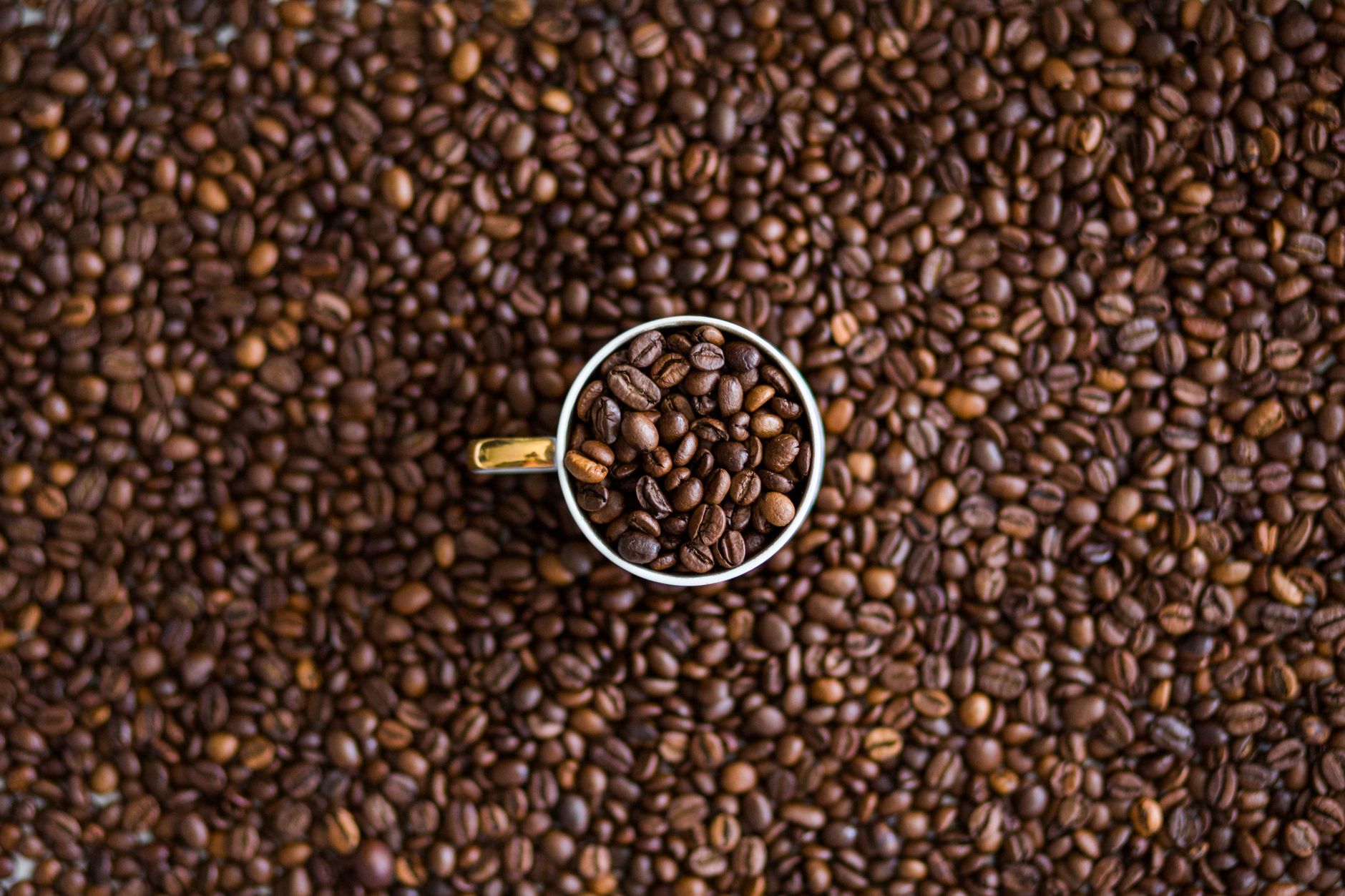
Freshness matters. Coffee beans begin to lose flavor within two weeks of roasting. Stale beans taste flat, sour, or bitter, depending on how they were stored. Always buy whole beans and grind just before brewing.
Dark roasts also taste more bitter because the roasting process breaks down sugars and creates carbon-like compounds. If you dislike bitterness, try a medium or light roast with a brighter profile.
Dirty Coffee Maker or Grinder
Old coffee oils and mineral deposits build up over time. These rancid residues can make your coffee taste bitter, even if you use fresh beans. Clean your coffee maker monthly with a vinegar solution, and disassemble the grinder to remove stuck grounds.
A dirty machine also affects water flow and temperature, compounding the bitterness problem. Regular descaling prevents this.
Incorrect Coffee-to-Water Ratio
Using too much coffee relative to water can lead to over-extraction and bitterness. The standard ratio is about 1 to 2 tablespoons of coffee per 6 ounces of water. If you use a heaping scoop, you’re likely over-brewing.
Weighing your coffee and water with a kitchen scale is more accurate than using scoops. Aim for a 1:16 ratio (1 gram of coffee to 16 grams of water) for a balanced cup.
Water Quality and Mineral Content
Hard water with high mineral content can alter extraction. Calcium and magnesium ions bind to coffee compounds, sometimes increasing bitterness. If your tap water tastes mineral-heavy, try filtered or bottled water.
Distilled water is not recommended because it lacks minerals that help extraction. A simple carbon filter or a pitcher filter usually works well.
How to Fix Bitter Coffee
- Check your grind size: Use a coarser grind for drip, pour-over, or French press.
- Shorten brew time: For French press, steep 3-4 minutes. For pour-over, aim for 2.5-3 minutes total.
- Lower water temperature: Let boiling water sit for 30 seconds before brewing.
- Clean your equipment: Descale your coffee maker and clean your grinder regularly.
- Adjust the coffee ratio: Use less coffee per cup, or measure by weight (1:16 ratio).
- Try fresher beans: Buy whole beans from a local roaster, and use them within two weeks of roast date.
- Filter your water: Use a carbon filter or bottled water if your tap water is hard.
If you’ve tried these fixes and your coffee still tastes bitter, the issue might be in your coffee maker. A machine that runs too hot or holds coffee on a hot plate can cause bitterness over time. For a deeper look at that, see our guide on why your coffee maker isn’t keeping coffee hot, which covers temperature issues that affect taste.
Frequently Asked Questions
Why does my coffee taste bitter even when I use good beans?
Good beans can still produce bitter coffee if you over-extract them. Grind size, water temperature, and brew time are the usual culprits. Try a coarser grind and cooler water before changing beans.
Does cold brew coffee taste less bitter than hot brew?
Yes, cold brew naturally extracts fewer bitter compounds because it uses cold water and a longer steep time. The result is a smoother, less acidic, and less bitter concentrate. If you dislike bitterness, cold brew is a good alternative.
Can I fix bitter coffee after it’s already brewed?
You can reduce bitterness by adding a pinch of salt, which blocks bitter receptors on your tongue. A splash of milk or cream also masks the taste. But the best fix is to adjust your brewing method next time.
Is dark roast coffee always bitter?
Not always, but dark roasts are more likely to taste bitter because the roasting process breaks down sugars and creates carbon compounds. If you find dark roasts harsh, try a medium or light roast for a brighter, sweeter cup.
Does the type of water affect coffee bitterness?
Yes, hard water with high mineral content can increase extraction and bitterness. Soft water or filtered water typically produces a more balanced cup. Avoid distilled water, which can make coffee taste flat.
Final Thoughts
Bitter coffee is almost always a sign of over-extraction or stale beans, not a flaw in your taste buds. By adjusting grind size, water temperature, and brew time, you can fix the problem in one cup. For more tips on getting the most from your coffee maker, read our guide on coffee maker temperature issues.