If your coffee maker is not keeping coffee hot, the most common cause is a faulty heating element or a clogged water line. However, other factors like a dirty carafe, incorrect brew temperature, or a broken thermostat can also be to blame. Understanding these issues will help you troubleshoot and get your morning cup back to the right temperature.
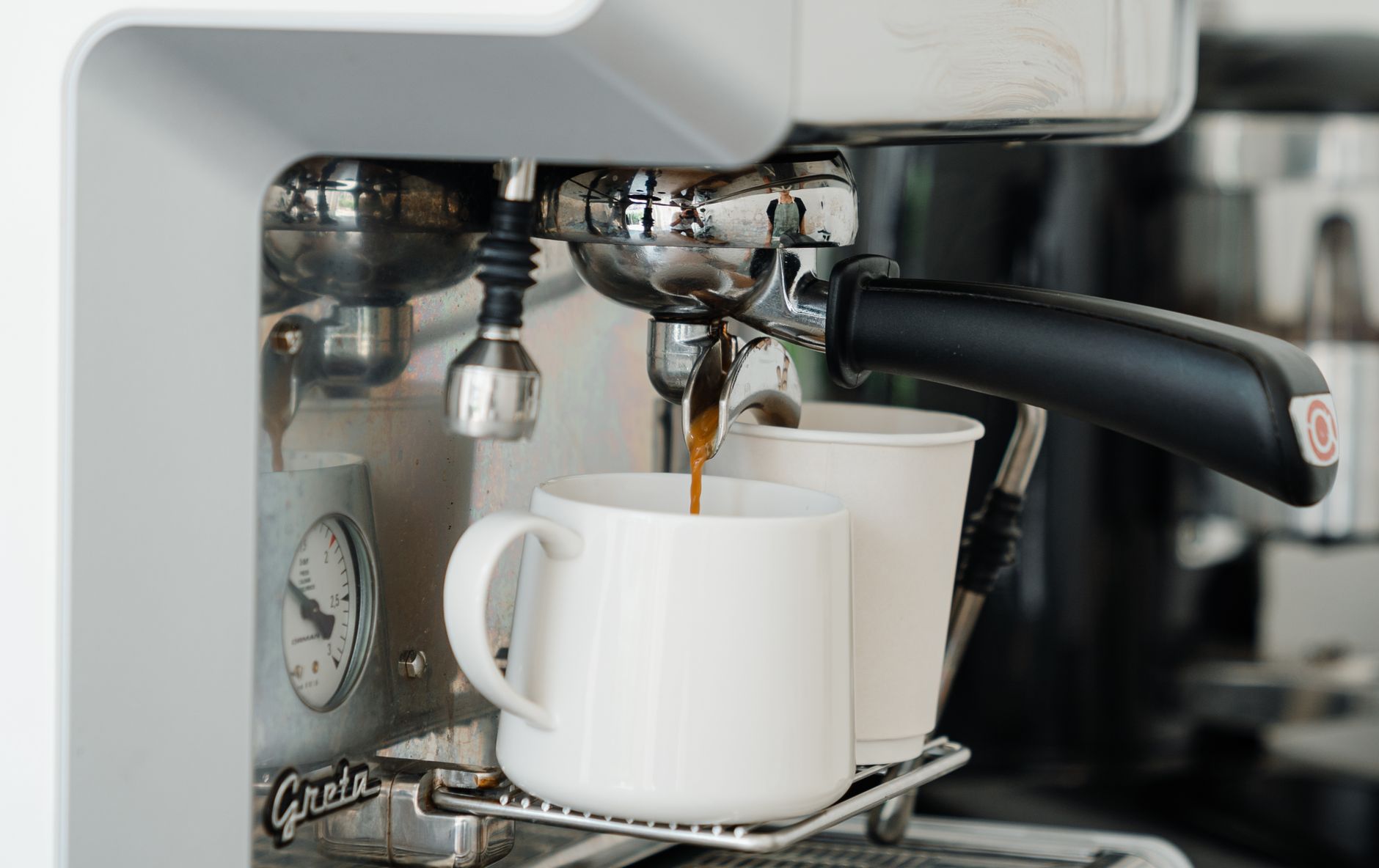
1. Faulty Heating Element
The heating element is the part of your coffee maker that warms the water and, in many models, keeps the carafe hot after brewing. Over time, these elements can burn out or lose efficiency. If your coffee maker is not keeping coffee hot, this is often the first thing to check.
You can test the heating element with a multimeter, but if you’re not comfortable with electrical work, it’s safer to call a professional or replace the machine. A broken heating element usually means the coffee maker will never reach the proper temperature.
2. Clogged Water Lines or Mineral Buildup
Mineral deposits from hard water can clog the internal water lines of your coffee maker. This reduces water flow and may prevent the machine from heating water to the correct temperature. As a result, the brewed coffee will be cooler than expected and won’t stay hot in the carafe.
Descaling your coffee maker every few months with a vinegar solution or a commercial descaler can clear these deposits. This simple maintenance step often restores the machine’s ability to brew and hold heat.
3. Broken Thermostat
The thermostat regulates the temperature inside the coffee maker. If it malfunctions, the machine may not heat the water enough or may shut off the warming plate too early. A broken thermostat can cause your coffee maker to stop keeping coffee hot even though it appears to be working.
Unfortunately, a thermostat failure usually requires professional repair or a replacement coffee maker. You can test it with a multimeter, but it’s often more cost-effective to buy a new machine.
4. Dirty or Worn Carafe
The carafe itself can be a problem. If the glass is dirty or has a layer of mineral buildup, it won’t retain heat as well. Also, the carafe’s lid may not seal properly, letting heat escape. A cracked carafe or a damaged handle can also affect temperature retention.
Cleaning the carafe thoroughly with hot water and a mild detergent can help. If the lid is loose, you may need to replace the carafe. Many coffee makers have replacement carafes available from the manufacturer.
5. Incorrect Brew Temperature Settings
Some coffee makers allow you to adjust the brew temperature. If yours is set too low, the coffee will never reach the ideal serving temperature. Check your user manual to see if your model has a temperature control. If it does, try increasing the setting to the highest recommended level.
Even if your machine doesn’t have a manual setting, the factory default might be too low. Some machines have a hidden temperature adjustment that you can access with a specific button combination. Refer to the manual or search online for your model.
6. The Warming Plate Is Not Working
Many drip coffee makers have a warming plate that keeps the carafe hot after brewing. If this plate fails, the coffee will cool down quickly. The warming plate can burn out, or its electrical connection can become loose.
If you notice the coffee is hot immediately after brewing but cools within minutes, the warming plate is likely the issue. You can test it by feeling the plate while the machine is on (carefully, as it can be hot). If it doesn’t get warm, the plate or its wiring is faulty.
How to Fix a Coffee Maker That Is Not Keeping Coffee Hot
- Descale your coffee maker to remove mineral buildup.
- Clean the carafe and lid thoroughly.
- Check the warming plate for heat and replace it if necessary.
- Test the heating element and thermostat with a multimeter if you have the skills.
- Adjust the brew temperature setting if your model allows it.
- Replace the coffee maker if the heating element or thermostat is broken and repair is not cost-effective.
If you’ve tried these fixes and your coffee maker is still not keeping coffee hot, it may be time to consider a new machine. However, if you’re looking for a more targeted solution, check out our guide on Can You Run an Air Fryer Empty for related appliance maintenance tips.
Frequently Asked Questions
Why is my coffee not hot immediately after brewing?
If your coffee is not hot right after brewing, the water temperature may not have reached the optimal range of 195-205°F. This can be caused by a faulty heating element, mineral buildup, or a low brew temperature setting. Descaling and checking the thermostat can help.
Can a dirty coffee maker cause coffee to be cold?
Yes, a dirty coffee maker can cause coffee to be cold. Mineral deposits on the heating element or in the water lines reduce heat transfer, and a dirty carafe doesn’t hold heat well. Regular cleaning and descaling are essential for maintaining proper temperature.
How often should I descale my coffee maker?
Most manufacturers recommend descaling every 3 to 6 months, depending on your water hardness. If you notice your coffee maker is not keeping coffee hot, descaling is a good first step. Use a vinegar-water solution or a commercial descaling product.
Is it worth repairing a coffee maker that won’t keep coffee hot?
Repairing a coffee maker is often not cost-effective unless the machine is expensive or has a simple fix like a new carafe. For models with a broken heating element or thermostat, replacement is usually cheaper. Consider the age and price of your machine before deciding.
Closing Thoughts
If your coffee maker is not keeping coffee hot, the problem is almost always a simple fix like descaling, cleaning, or replacing a faulty part. Start with the easiest solutions and work your way up. For more detailed appliance troubleshooting, explore our blog for guides on keeping your kitchen gadgets in top shape.