If your coffee maker is overflowing, the most likely cause is a clogged brew basket or a filter that is blocked by fine coffee grounds. When water cannot pass through the filter quickly enough, it backs up and spills over the top of the basket, creating a mess. This can happen even with a relatively new machine if you use a very fine grind or overfill the basket. Understanding what creates the backup is the first step to stopping the overflow for good.
Overfilling the Water Reservoir
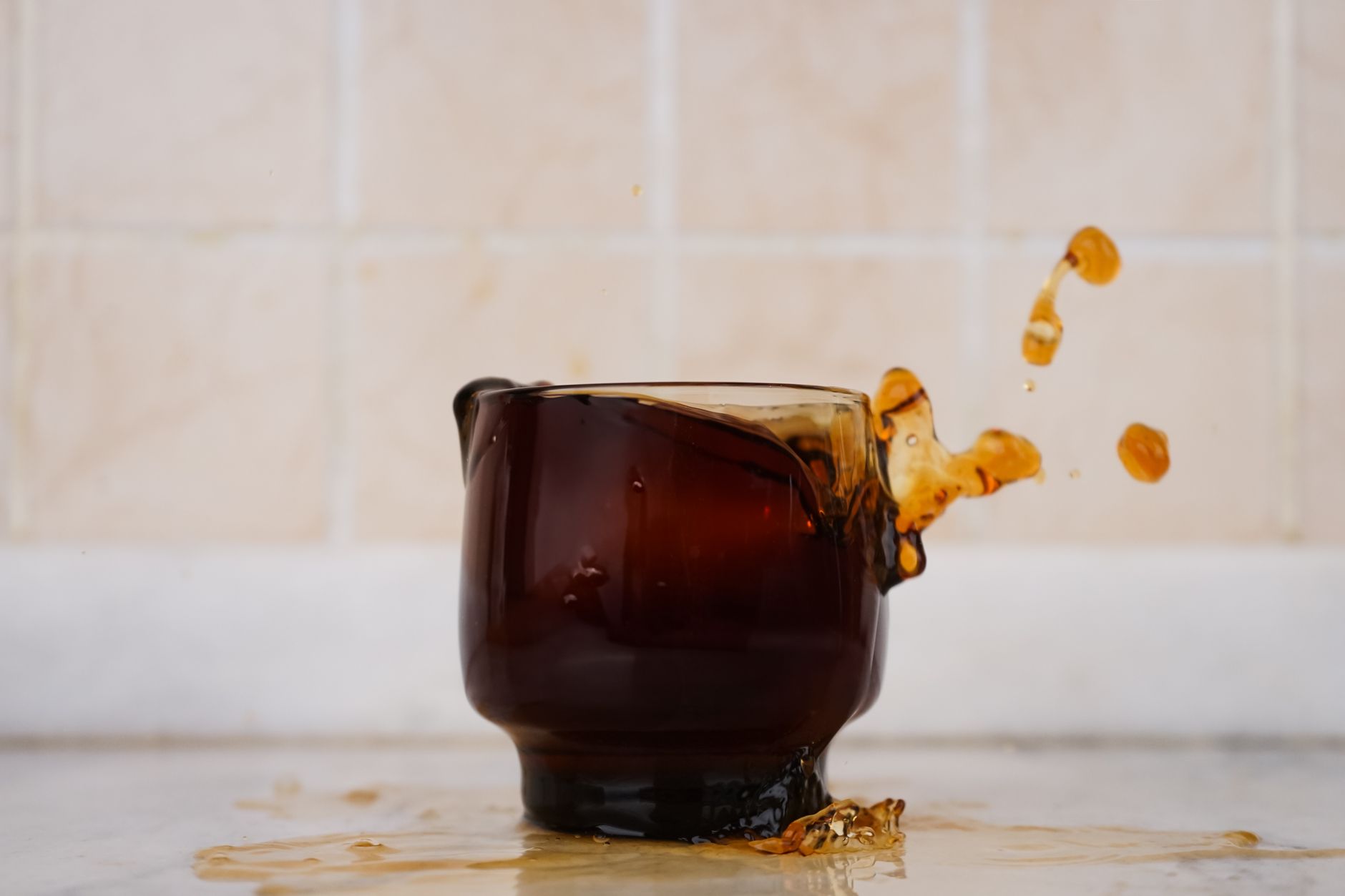
One of the simplest reasons a coffee maker overflows is that you simply added too much water. Most machines have a marked maximum fill line, and exceeding it forces more water into the brew basket than the filter can hold. This extra water can push the coffee grounds up and cause spillover.
Check the water level before each brew and never fill past the indicated line. If your machine does not have a clear marking, measure the amount of water you use against the number of cups you want to make. This small habit prevents many overflow incidents entirely.
Using Too Fine a Coffee Grind
The grind size of your coffee affects how quickly water passes through the filter. When you use a very fine grind, such as one intended for espresso, the particles can clog the pores of a standard paper filter. Water then accumulates above the grounds instead of draining into the carafe.
For automatic drip coffee makers, a medium grind is usually the right choice. If you notice overflow after switching to a finer grind, try a coarser setting. This change alone solves the problem for many home brewers.
Dirty Brew Basket or Clogged Filter
Over time, coffee oils and fine particles accumulate in the brew basket and the filter holder. This buildup can slow water flow and cause overflow. The same applies if you use a reusable filter that has not been cleaned recently.
Rinse the brew basket and any reusable filter after each use. Once a week, wash them with warm soapy water to remove residue. A clean path for water is essential for a proper brew cycle without spillover.
Faulty Carafe Placement or Cracked Carafe
If the carafe is not sitting correctly on the warming plate, the brew basket’s drip stop mechanism may not open fully. This causes water to back up and overflow. Similarly, a crack or chip in the carafe can prevent proper sealing and trigger the same backup.
Always ensure the carafe is pushed all the way in and seated firmly. If you suspect a crack, try swapping the carafe with another compatible one to test. A damaged carafe should be replaced to avoid further issues.
Mineral Buildup from Hard Water
Hard water leaves mineral deposits inside your coffee maker, especially in the water lines and the heating element. This scale restricts water flow and can cause the machine to produce too much steam or uneven pressure, leading to overflow during brewing.
Descaling your coffee maker every one to three months, depending on your water hardness, prevents this. You can use a store-bought descaler or a mixture of equal parts water and white vinegar. Running a descaling cycle clears the passages and restores normal flow.
Brewing Too Many Cups at Once
Some coffee makers have a maximum capacity that is lower than the total carafe volume. If you try to brew a full carafe on a machine designed for a smaller yield, the water can exceed the basket’s capacity. This is especially common in compact models.
Check your machine’s user manual for the recommended maximum brew size. For a standard 10-cup machine, brewing more than 8 cups can sometimes cause overflow depending on the design. Stick to the manufacturer’s guideline to avoid messes.
How to Fix a Coffee Maker That Overflows
Here are the practical steps to address the specific causes above. Do them in order from easiest to more involved.
- Check the water level and never fill past the maximum line.
- Switch to a medium coffee grind if you are using a fine grind.
- Clean the brew basket and any reusable filter thoroughly.
- Make sure the carafe is fully seated and not cracked.
- Descale your coffee maker to remove mineral buildup.
- Brew fewer cups than the maximum capacity of your machine.
If none of these steps stops the overflow, the issue may require professional inspection or replacement of a worn part. At that point, it might be more practical to consider a new machine altogether.
Related Guides
- Coffee Maker Leaking From the Bottom
- Coffee Maker Leaving Grounds in the Coffee
- Coffee Maker Not Brewing a Full Pot
- Best Coffee Makers
Frequently Asked Questions
Can a clogged coffee maker cause overflowing?
Yes, a clog is one of the most common causes of overflow. Clogs can form in the brew basket, filter, or water lines from coffee oils or mineral scale. Clearing the blockage usually restores normal operation.
Why does my coffee maker overflow when I use paper filters?
Paper filters can clog if the coffee grind is too fine, if you overload the filter, or if the filter is not seated correctly. Try a coarser grind or a lower coffee dose. Also make sure the filter is fully open and centered in the basket.
Is overflowing a sign of a broken coffee maker?
Not necessarily. Most overflows are due to user error or lack of maintenance. However, if you have tried all the fixes above and the problem persists, a worn seal or a malfunctioning one-way valve could be at fault.
How do I know if my coffee maker has scale buildup?
Signs include slower brewing, louder than normal operation, white flakes in your coffee, or a bitter taste. If your machine has never been descaled and you live in a hard-water area, scale is very likely the cause of any overflow.
Should I replace my coffee maker if it overflows?
Only after ruling out all the simple fixes. If you have cleaned, descaled, and adjusted your brewing habits and the overflow continues, then a replacement may be more cost-effective than a repair. Look for a model that matches your typical brew volume and grind preference.
A coffee maker that overflows is rarely a sign of a broken machine. Most often, it is a simple issue with the grind, the water level, or the cleanliness of the components. Start with the easiest fix and work your way through the list to get back to a mess-free morning brew.