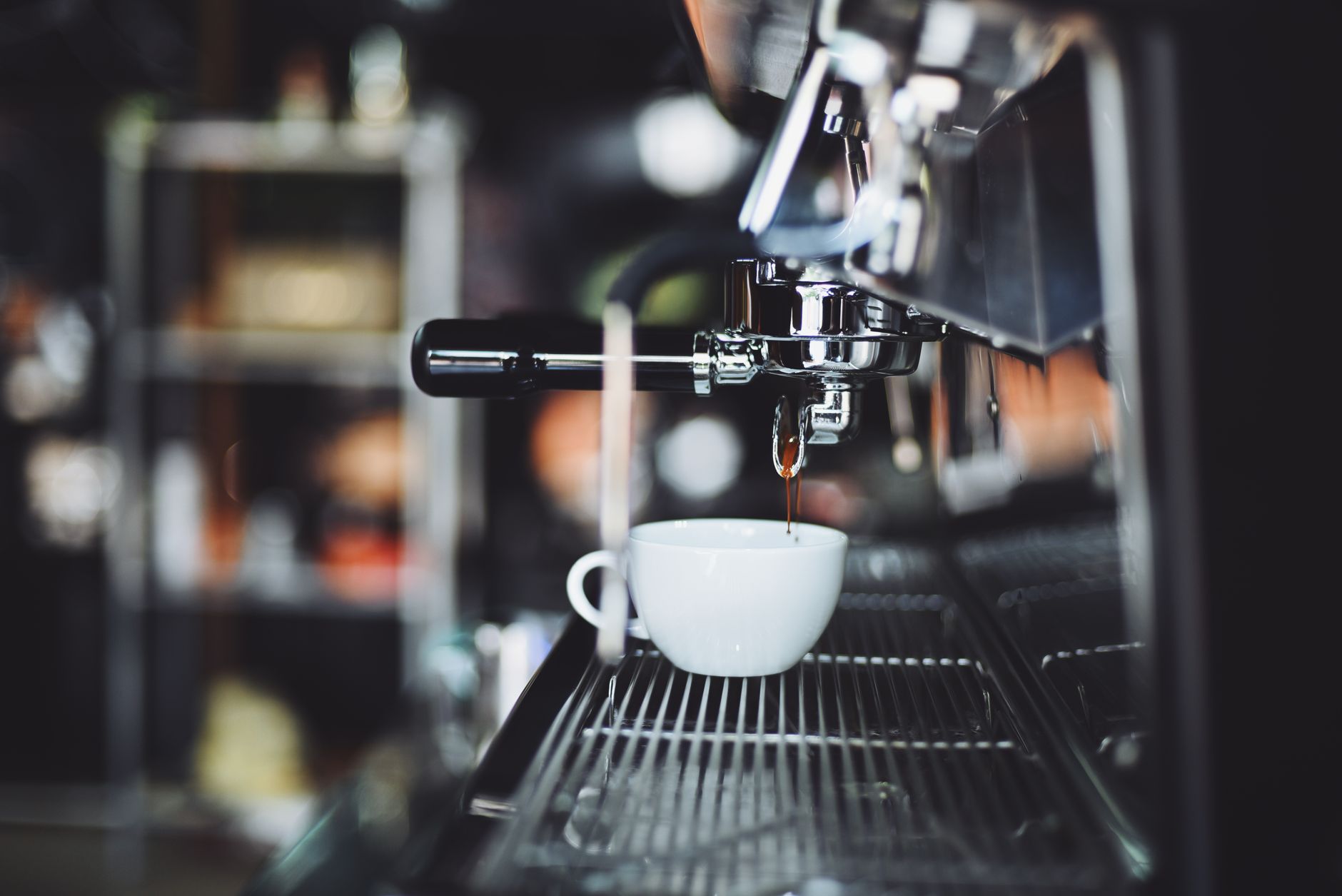
If your coffee maker is brewing too slowly, the most likely cause is mineral buildup (scale) inside the water lines. Over time, calcium and magnesium deposits from hard water can restrict water flow, making each brew cycle drag on. Other common culprits include a clogged spray head, a dirty filter basket, or a failing heating element. Identifying the exact issue is the first step toward restoring your morning routine.
Mineral Buildup in the Water Lines
Scale is the number one reason a coffee maker slows down. When you use tap water, minerals gradually coat the internal tubing and heating element. This narrows the paths water must travel, so the machine takes longer to push water through the grounds. Regular descaling every one to three months can prevent this.
If you notice a white or chalky residue inside your water reservoir, that’s a sure sign of scale. The same buildup can also affect the machine’s ability to heat water efficiently, compounding the delay.
Clogged Spray Head or Showerhead
The spray head (or showerhead) distributes hot water over the coffee grounds. If its small holes become blocked by mineral deposits or coffee oils, the water flow is uneven and slower. This can make the brewing process seem to take forever, especially if the machine is struggling to saturate the grounds.
Cleaning the spray head with a pin or a small brush often restores normal flow. Many drip machines allow you to remove the spray head for easier cleaning.
Dirty or Clogged Filter Basket
If you use a reusable filter or a paper filter that is too fine, the basket can become clogged. Coffee grounds or sediment can block the holes, causing water to back up and brew slowly. Even a small amount of old coffee residue can reduce flow over time.
Check your filter basket regularly. If you see a thick layer of coffee sludge, it’s time for a thorough scrub. Also, ensure you are using the correct filter size for your machine.
Using Too Fine a Coffee Grind
The grind size of your coffee beans directly affects brew speed. A very fine grind creates a dense bed that water struggles to pass through. This can cause the machine to stall or take much longer to complete a cycle. For automatic drip machines, a medium grind is usually best.
If you grind your own beans, try a coarser setting. Pre-ground coffee labeled for drip machines is typically the right consistency.
Failing Heating Element or Thermostat
The heating element is responsible for heating the water to the correct temperature and maintaining pressure to push it through the system. If the element is wearing out or the thermostat is malfunctioning, the water may not get hot enough or the pump may not work at full power. This can lead to a noticeably slower brew.
If descaling and cleaning don’t solve the problem, and your machine is several years old, the heating element might be the culprit. Unfortunately, this often requires professional repair or replacement.
How to Fix a Slow Brewing Coffee Maker
- Descale your coffee maker with a mixture of white vinegar and water or a commercial descaling solution. Run a full cycle without coffee, then two cycles with fresh water.
- Clean the spray head by removing it (if possible) and poking out any clogged holes with a pin. Soak it in vinegar if needed.
- Wash the filter basket thoroughly with warm, soapy water. Use a brush to remove any stubborn coffee oils.
- Switch to a coarser grind if you are using fine grounds. Experiment with a medium grind for drip machines.
- Check the water temperature. If your machine’s water never gets hot enough, the heating element may be failing. In that case, consider replacing the unit.
If you’ve tried these steps and your coffee maker still brews too slowly, it may be time to look into a new machine. However, for most cases, regular maintenance will keep your brew speed consistent.
Frequently Asked Questions
Why is my coffee maker suddenly brewing slower than usual?
A sudden slowdown often indicates a fresh mineral deposit or a clogged part. If you recently moved to a harder water supply, scale can build up quickly. Also, a new batch of very fine coffee grounds could be the cause.
Can hard water really affect brew speed?
Yes, hard water deposits mineral scale inside the machine’s water pathways. This restricts flow and reduces heating efficiency. Over time, even moderately hard water can cause significant slowdowns.
How often should I descale my coffee maker?
Most manufacturers recommend descaling every one to three months, depending on water hardness. If you live in an area with hard water, descaling monthly is a good idea. Follow your machine’s manual for the best schedule.
Does the water temperature affect brew time?
Absolutely. Coffee makers need water between 195°F and 205°F to brew properly. If the heating element is weak, the water may not reach that temperature, causing the machine to take longer to push water through the grounds.
Should I use filtered water to prevent slow brewing?
Using filtered or bottled water can significantly reduce mineral buildup. This lowers the frequency of descaling and helps maintain consistent brew speed. It also improves the taste of your coffee.
In most cases, a coffee maker brewing too slowly is a sign that it needs a thorough cleaning or descaling, not a new machine. With regular maintenance, you can keep your brew time consistent and your coffee tasting great.