If your air fryer is taking longer to cook than expected, the most likely reason is overcrowding the basket. When you pack too much food inside, hot air cannot circulate freely, which slows down cooking and leads to uneven results. Other common factors include not preheating the appliance, a buildup of grease blocking airflow, or using a recipe designed for a different air fryer model. Understanding these causes can help you adjust your cooking routine and get back to fast, crispy meals.
Overcrowding the Basket
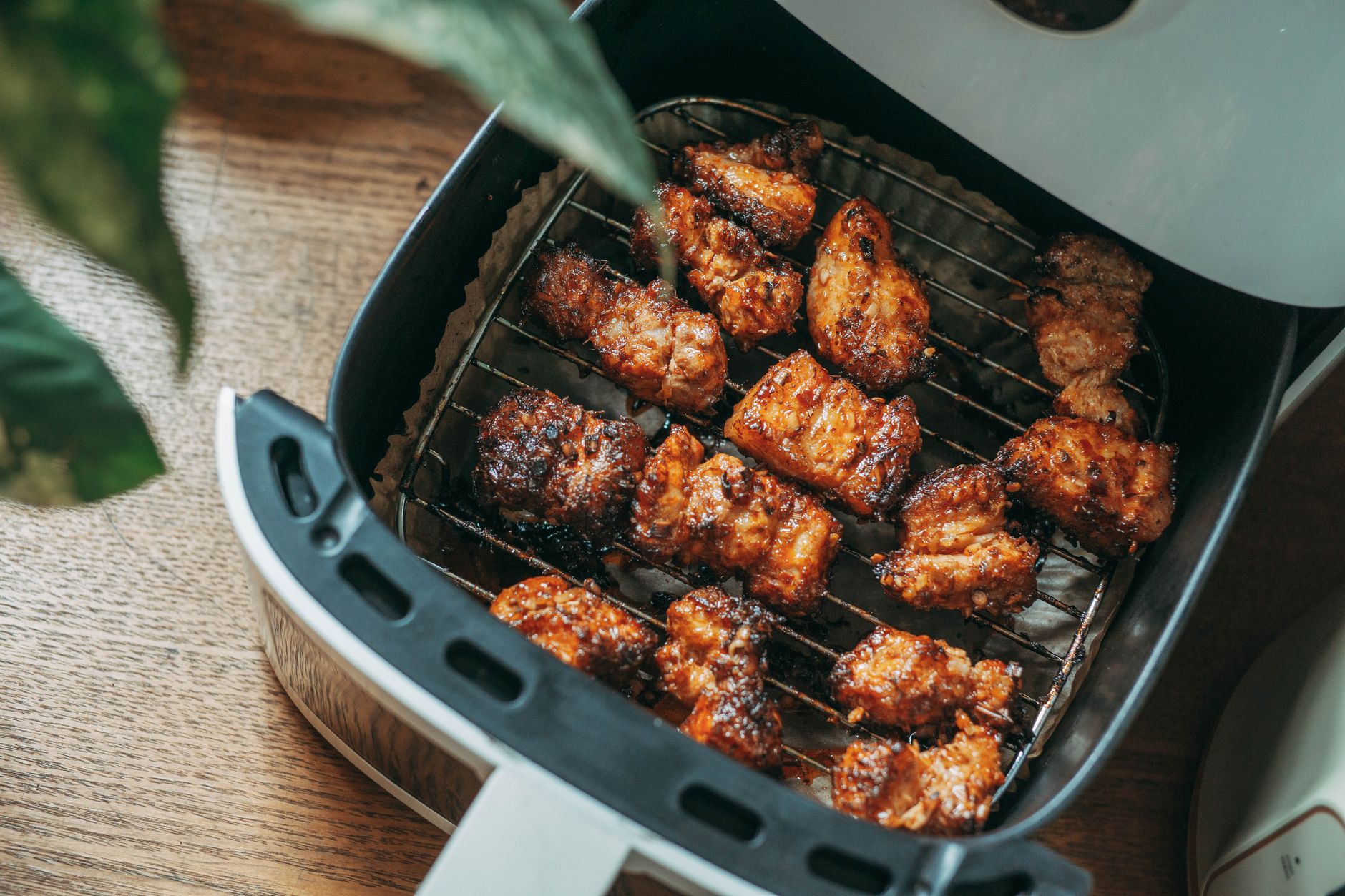
Air fryers work by circulating superheated air around every surface of the food. When the basket is too full, that air cannot reach the center of the pile, so the food in the middle stays undercooked while the outer layer browns. This is the number one reason an air fryer taking longer to cook becomes a problem.
The fix is simple: cook in smaller batches, even if it means using two rounds. Leaving at least an inch of space between pieces allows the hot air to flow properly and reduces cooking time significantly.
Not Preheating the Air Fryer
Many air fryer recipes assume you preheat the appliance for a few minutes before adding food. Skipping this step means the cooking chamber starts at room temperature, so the first several minutes are spent warming up rather than actually cooking your food.
Most models only need 3 to 5 minutes of preheating. If your air fryer does not have a preheat button, simply run it empty at your target temperature for that time, then add the food quickly to minimize heat loss.
Temperature Calibration Issues
Over time, the temperature sensor inside an air fryer can drift, causing the actual heat to be lower than what the display shows. This is especially common in older units or those that have been used heavily. If your air fryer taking longer to cook is a consistent issue regardless of batch size or preheating, the temperature might be off.
You can test this with an oven thermometer placed inside the basket. If the reading is more than 10 degrees off from your setting, the air fryer may need recalibration or replacement. Check the manufacturer’s instructions for calibration steps.
Thick or Frozen Food Without Adjustments
Air fryers excel at cooking thin, uniform foods like chicken tenders or fries. But thick cuts of meat, whole frozen items, or foods with a high moisture content require longer times and often a lower temperature to cook through without burning the outside.
For frozen foods, do not defrost them first unless the recipe says otherwise. Instead, add 5 to 10 minutes to the recommended cooking time and check for doneness with a thermometer. For thick foods, consider cutting them into smaller pieces or using a lower temperature for a longer period.
Blocked Airflow from Grease and Debris
Grease and food residue can accumulate on the heating element, fan, or basket slots, restricting airflow. This is a common cause of an air fryer taking longer to cook because the hot air cannot circulate efficiently.
Clean your air fryer thoroughly after every few uses. Remove the basket, wash it with warm soapy water, and wipe down the interior with a damp cloth. Pay special attention to the fan area if it is accessible. A clean air fryer cooks faster and more evenly.
Low Voltage or Power Supply Issues
Less common but still possible: your air fryer may not be receiving enough power. If you use an extension cord that is too long or thin, or if the outlet shares a circuit with other high-draw appliances, the voltage can drop and the heating element will not reach full power.
Try plugging the air fryer directly into a wall outlet on a dedicated circuit. If the problem disappears, the power supply was the culprit. If not, the issue likely lies elsewhere on this list.
How to Fix an Air Fryer Taking Longer to Cook
- Cook in smaller batches, leaving space between pieces.
- Always preheat the air fryer for 3 to 5 minutes before adding food.
- Check the actual temperature with an oven thermometer and adjust or recalibrate if needed.
- Adjust cooking times for thick, frozen, or moist foods rather than using a standard recipe.
- Clean the basket, heating element, and fan area regularly.
- Use a direct wall outlet and avoid sharing a circuit with large appliances.
If you are still struggling with uneven cooking times and are considering a new model, our air fryer size comparison can help you choose a capacity that matches your typical batch sizes. A properly sized air fryer often eliminates the need for multiple batches and reduces overall cooking time.
Frequently Asked Questions
Why does my air fryer take longer than the recipe says?
Recipes are often tested with a specific brand and model, which may have a different heating profile. Your air fryer’s actual temperature, basket size, and preheating habits can all affect the time. Always use a food thermometer to check doneness instead of relying solely on the clock.
Can using too much oil make my air fryer cook slower?
Excess oil can create a barrier that insulates the food and reduces the effectiveness of hot air circulation. It can also cause more smoke and residue buildup. Stick to one to two teaspoons of oil for most recipes, and toss the food to coat evenly.
How do I know if my air fryer is heating properly?
Place an oven thermometer inside the basket, set the air fryer to 400°F (200°C), and check the reading after 10 minutes. If it is off by more than 10 degrees, the air fryer may need recalibration or repair. A consistent mismatch usually means the thermostat is faulty.
Does the size of the air fryer affect cooking time?
Yes, larger air fryers need more time to heat up and may cook food slightly slower if you fill them to capacity. However, the difference is usually small. The bigger factor is how much food you put in relative to the basket size, not the total capacity itself.
Should I flip food halfway through to speed up cooking?
Flipping or shaking the basket helps expose all sides to hot air, which can reduce cooking time and improve browning. Most air fryer recipes recommend shaking at least once during the cycle. Skipping this step can lead to longer cook times and uneven results.
Sluggish cooking often traces back to a unit that is too small for your portions, and our picks for large capacity air fryers heat a full batch more quickly.
Final Thoughts
An air fryer taking longer to cook is usually a sign of overcrowding, inadequate preheating, or a need for cleaning. By addressing these common issues, you can restore fast, even cooking without buying a new appliance. If you are in the market for an upgrade, our comparison of Ninja air fryer models in 2026 can help you find one that matches your cooking habits.