If your meat grinder keeps clogging, the most common cause is too much fat or sinew in the meat, or cutting the meat into pieces that are too large for the grinder’s feed tube. This problem usually happens when the meat isn’t cold enough, or when you’re trying to grind too fast. Understanding these factors helps you avoid jams and keep your grinder running smoothly.
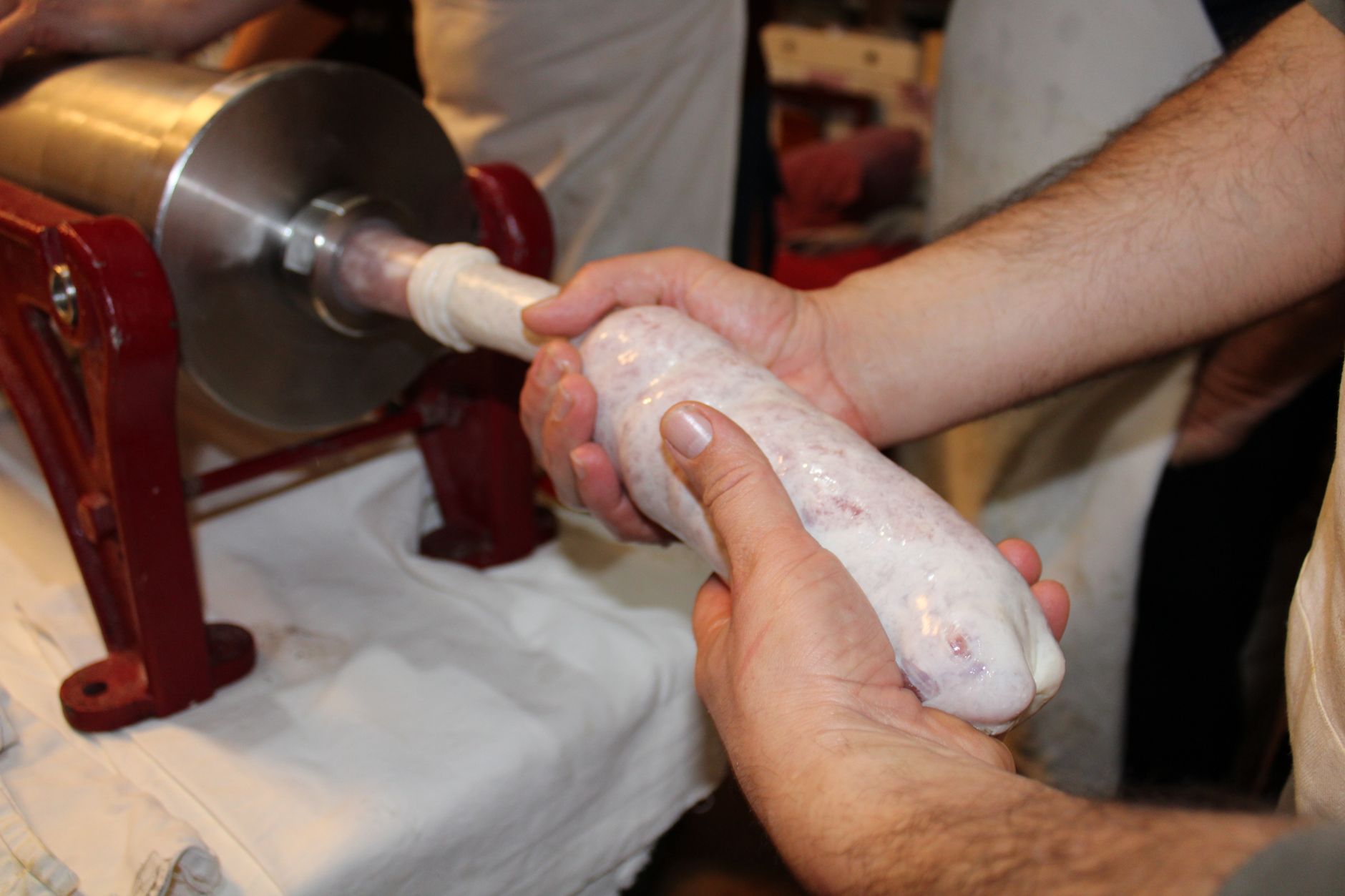
Too Much Fat or Sinew in the Meat
Fat and sinew are the most frequent culprits. When you grind fatty cuts like pork shoulder or brisket, the fat can render and become sticky, clogging the grinder plate and blade. Sinew, which is tough connective tissue, wraps around the auger and prevents meat from moving forward.
To avoid this, trim large chunks of fat and sinew before grinding. You can also partially freeze the fat to make it less sticky. If your grinder has a coarse plate, start with that to break down the meat before switching to a finer plate.
Meat Is Not Cold Enough
Warm meat is soft and mushy, which makes it harder for the grinder to cut cleanly. Instead, the meat gets pushed through the auger and smears, clogging the plate. The ideal temperature for grinding is just above freezing, around 32 to 34 degrees Fahrenheit.
Chill your meat in the freezer for 15 to 30 minutes before grinding. You can also freeze the grinder parts (plate, blade, and auger) for 10 minutes to keep everything cold. Never grind meat that is still partially frozen, as ice crystals can damage the blades.
Cutting Meat Too Large for the Feed Tube
Pushing oversized pieces into the feed tube forces the auger to work harder and can cause the meat to bunch up. Most home grinders have a feed tube that is about 1.5 to 2 inches in diameter. If you drop in a chunk larger than that, it won’t be gripped properly and will jam.
Cut your meat into strips that are about 1 inch wide and just long enough to fit into the feed tube without forcing. This allows the auger to grab the meat evenly and feed it smoothly to the blade.
Grinding Too Fast or Overloading the Grinder
Rushing the process is a common mistake. If you push meat down too quickly, the grinder can’t process it fast enough, and the auger gets backed up. Similarly, overloading the hopper with more meat than the grinder can handle at once leads to clogging.
Use the grinder’s pusher to feed meat at a steady, moderate pace. Let the machine do the work. If you hear the motor straining, stop and clear the auger. Always grind in small batches, especially when grinding fatty meats.
Dull or Damaged Blades and Plates
Over time, the cutting edge of the blade and the holes in the plate can become dull or nicked. A dull blade tears the meat rather than cutting it, which creates a paste that clogs the plate. A damaged plate with bent or clogged holes also prevents proper flow.
Inspect your blade and plate regularly. If they show signs of wear, sharpen the blade or replace it. Most manufacturers recommend replacing the blade and plate together every year or after heavy use. Keep spare parts on hand for quick swaps.
Incorrect Assembly or Missing Parts
If the grinder is not assembled correctly, the meat can’t move through the auger properly. Common issues include the plate not being seated flush against the blade, or the locking ring being too loose. Missing parts like the washer or spacer can also cause the auger to bind.
Always follow the manufacturer’s assembly diagram. Tighten the locking ring firmly but not excessively. Check that the blade is oriented correctly (the flat side against the plate). If you’ve recently disassembled your grinder, double-check that all parts are in place.
How to Fix a Clogged Meat Grinder
- Turn off and unplug the grinder. Remove the hopper and auger, then clean out any stuck meat.
- Trim excess fat and sinew before grinding, and cut meat into 1-inch strips.
- Chill meat and grinder parts to 32 to 34 degrees Fahrenheit before grinding.
- Feed meat at a steady pace, not too fast, and avoid overloading the hopper.
- Sharpen or replace dull blades and plates as needed.
- Check assembly and ensure all parts are correctly installed.
If your grinder continues to clog despite these fixes, it may be time to consider a more powerful model. For step-by-step guides on selecting and using kitchen equipment, explore our blog for more troubleshooting tips.
Related Guides
- Best Home Meat Grinders
- How to Unclog a Meat Grinder
- Meat Grinder Not Grinding
Frequently Asked Questions
Can I grind meat that is partially frozen?
Partially frozen meat is ideal for grinding because it stays firm and cuts cleanly. However, avoid fully frozen meat, as ice crystals can damage the blade and plate. Aim for a temperature just above freezing, about 32 degrees Fahrenheit.
Why does my meat grinder make a clicking noise and then stop?
A clicking noise often means the grinder’s safety switch is tripping due to a jam. This can happen when the auger is blocked by a large piece of meat or sinew. Turn off the grinder, clear the auger, and restart. If the noise persists, check for a damaged gear or motor.
Should I use a coarse or fine plate for fatty meats?
Start with a coarse plate for fatty meats to break down the fat without smearing. After the first pass, switch to a finer plate for a second grind if needed. This two-step process prevents clogging and gives you a better texture.
How often should I sharpen my meat grinder blade?
Sharpen the blade after every 20 to 30 pounds of meat, or whenever you notice it tearing instead of cutting. You can use a fine-grit sharpening stone or take it to a professional. Replace the blade and plate together if they become too worn.
Can I grind bones in a meat grinder?
Most home meat grinders are not designed for bones. Trying to grind bones can damage the blade, plate, and motor, leading to frequent clogging and breakdowns. If you need to grind bones, use a dedicated bone grinder or a heavy-duty commercial model.
If your meat grinder keeps clogging, the fix usually involves keeping the meat cold, trimming fat, and feeding it slowly. For more detailed guides on kitchen tools and troubleshooting, check out our blog for expert advice.