Raw chicken is a kitchen staple, but it comes with a hidden risk: bacteria like Salmonella and Campylobacter can linger on cutting boards if you’re not careful. You need a surface that’s easy to sanitize, resists odors, and won’t harbor germs. That’s why finding the best cutting board for raw chicken is a game-changer for home cooks.
In this guide, we’ve reviewed top-rated cutting boards designed for raw meat, from titanium and stainless steel to high-quality plastic. We’ll break down the key features that matter most, so you can make an informed choice for your kitchen.



Buying Guide: What to Look For in a Cutting Board for Raw Chicken
Material Matters: Non-Porous Surfaces
The most critical factor is the material. Non-porous surfaces like titanium, stainless steel, and high-density plastic don’t absorb juices, so bacteria can’t seep into tiny cracks. This makes them far safer for raw chicken than wood or bamboo, which can harbor pathogens even after washing.
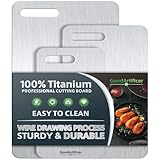
For example, the Titanium Cutting Board for Kitchen by GoodArtificer offers a pure titanium surface that’s non-porous and dishwasher safe. Similarly, the OXO Good Grips Plastic Utility Cutting Board features a non-porous plastic that resists odors and stains.
Ease of Cleaning and Maintenance
You want a board that you can toss in the dishwasher or quickly rinse without fuss. Titanium and stainless steel boards are incredibly easy to wipe down, while plastic boards are also dishwasher safe. Look for boards with a smooth, non-stick surface that doesn’t require heavy scrubbing.
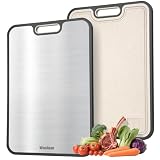
The SNOWCLAD Stainless Steel Cutting Board is a great example, with a non-porous stainless steel side for meat and a wheat straw PP side for veggies. It’s dishwasher safe and includes a juice groove to catch liquids.
Design Features: Juice Grooves and Handles
Juice grooves are a lifesaver when cutting raw chicken, as they catch excess liquid and prevent messes. Handles make it easy to carry the board to the sink and hang it for storage. Some boards also come with a double-sided design, allowing you to separate raw meat from cooked foods or vegetables.
For a versatile option, the Titanium Cutting Board for Kitchen by Sumzzz features a juice groove, garlic grinding area, and a hanging hole, making it a practical all-rounder.
Size and Thickness
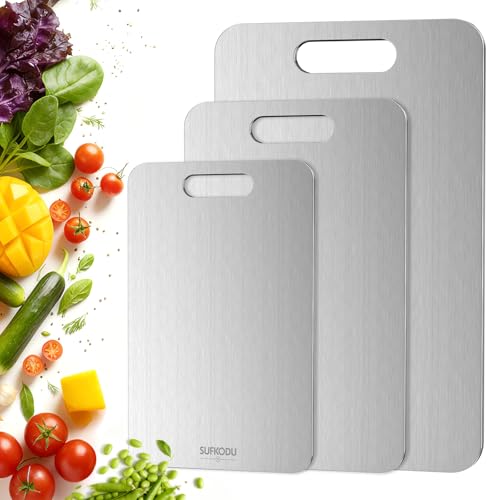
Consider the size of your countertop and the amount of chicken you typically prepare. A larger board (around 16 x 11 inches) gives you ample space for big cuts, while a thinner board is easier to store. Some sets include multiple sizes, like the Titanium Cutting Board for Kitchen Set by sufkodu, which comes with three boards for different tasks.
If you’re looking for more cutting board options, check out our best rated cutting board with juice groove guide for additional recommendations.
Final Thoughts
When it comes to raw chicken, safety and hygiene are non-negotiable. The Titanium Cutting Board for Kitchen by GoodArtificer stands out for its pure titanium surface and durability, while the GORILLA GRIP Cutting Board offers a budget-friendly plastic option with excellent slip resistance. Both are excellent choices, so pick the one that fits your kitchen style and budget.
Frequently Asked Questions
Is a titanium cutting board safe for raw chicken?
Yes, titanium cutting boards are non-porous, so they don’t absorb juices or bacteria. They’re also dishwasher safe, making them easy to sanitize after cutting raw chicken.
Can I use a plastic cutting board for raw meat?
Absolutely. High-density plastic boards like the OXO Good Grips are non-porous and dishwasher safe, which makes them a safe choice for raw chicken. Just ensure they’re thoroughly cleaned after each use.
How do I prevent cross-contamination with raw chicken?
Use separate cutting boards for raw meat and ready-to-eat foods. Color-coded boards can help, or use a double-sided board with designated sides. Always wash the board with hot soapy water or in the dishwasher immediately after use.
What is the best material for a cutting board to avoid bacteria?
Non-porous materials like titanium, stainless steel, and plastic are the best for preventing bacterial growth. They don’t absorb moisture, so bacteria have nowhere to hide. For more tips, check out our best quality non stick pans article for related kitchen hygiene advice.