You’re prepping dinner, and you grab your cutting board, but have you ever wondered if it’s truly safe? Many traditional boards harbor bacteria, absorb odors, and even shed harmful particles into your food. That’s why finding the safest best cutting boards is more important than ever, especially for families who prioritize health and cleanliness in the kitchen.
In this guide, we’ve evaluated six top-rated cutting boards made from titanium, stainless steel, and bamboo. Whether you’re a home cook or a professional chef, you’ll discover which materials offer the best hygiene, durability, and knife-friendliness. We’ll also share key buying criteria and answer common questions to help you make an informed choice.



Buying Guide: What Makes a Cutting Board the Safest Choice?
Choosing the right cutting board goes beyond just picking a pretty surface. Safety involves material, ease of cleaning, and how it affects your knives. Here are the key factors we considered when evaluating the safest best cutting boards.
Material Safety and Non-Toxicity
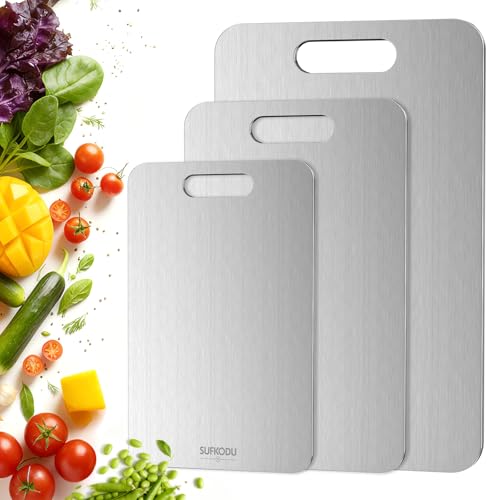
The material of your cutting board directly impacts your food’s safety. Non-porous surfaces like titanium and stainless steel are excellent because they don’t absorb juices, odors, or bacteria. They are also free from harmful chemicals like BPA, phthalates, and formaldehyde, which can be found in some plastic boards.
Bamboo is a natural, renewable resource that is also safe, provided it’s coated with food-grade oil. However, wood is porous and requires more care to prevent bacterial growth. For maximum hygiene, non-porous metals are the top choice.
If you’re concerned about non-toxic cookware, you might also want to check out our guide on the best safest nonstick fry pan to complete your healthy kitchen setup.
Durability and Knife-Friendliness
A safe cutting board should withstand daily use without cracking, warping, or dulling your knives. Titanium and stainless steel are incredibly durable and resistant to scratches, but they can be harder on knife edges compared to wood. Bamboo offers a good balance, being gentle on blades while still sturdy.
Look for boards with a smooth, non-porous surface that won’t harbor bacteria. Also, consider the thickness and stability; a board that slips or flexes can be dangerous. Many metal boards come with non-slip grips or handles for added safety.
For more on knife care, you might find our comparison of stainless steel pan vs carbon steel pan interesting, as it also touches on material properties that affect kitchen tools.
Ease of Cleaning and Maintenance
Hygiene is paramount, so choose a board that’s easy to clean thoroughly. Dishwasher-safe options are a huge convenience, as they can be sanitized at high temperatures. Non-porous materials like titanium and stainless steel can be simply wiped down or rinsed, and they don’t retain stains or odors.
Wooden boards require hand washing and periodic oiling to maintain their integrity. If you prefer low-maintenance options, metal boards are the way to go. Always ensure the board is completely dry before storing to prevent bacterial growth.
For a complete guide to safe cookware, visit our Cookware category for more recommendations.
Design Features for Safety and Convenience
Look for features that enhance safety and usability. Juice grooves catch meat drippings, preventing cross-contamination and messy counters. Non-slip edges or silicone grips keep the board stable while you chop. Double-sided boards allow you to separate raw and cooked foods, further reducing health risks.
Some boards come with built-in handles for easy hanging and storage, which also helps with air circulation and drying. Consider the size and weight; a larger board offers more workspace, but it should still be manageable for your kitchen.
If you’re cooking for kids, you might also be interested in our best knife set for kids to ensure little hands are safe too.
Final Thoughts
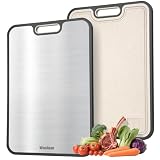
After evaluating the top contenders, the Washour Titanium Cutting Board for Kitchen 16″ x stands out for its exceptional 2-in-1 design and food-grade materials, making it a top pick for those who want maximum hygiene and durability. For a more budget-friendly yet equally safe option, the SNOWCLAD Stainless Steel Cutting Board,Non Toxic offers a double-sided stainless steel and wheat straw PP surface that’s dishwasher safe and perfect for everyday use. Whether you prioritize premium titanium or versatile stainless steel, both choices ensure a safer, cleaner cutting experience for your family.
Frequently Asked Questions
What is the safest material for a cutting board?
The safest materials are non-porous and non-toxic, such as titanium, stainless steel, and food-grade bamboo. These surfaces resist bacteria, odors, and stains, making them ideal for raw meats and produce. Always ensure the material is free from harmful chemicals like BPA.
Are titanium cutting boards better than plastic?
Yes, titanium cutting boards are generally safer because they are non-porous, durable, and do not contain harmful chemicals found in some plastics. They also resist deep scratches that can harbor bacteria. However, they can be harder on knives, so use them with care.
Can I put a bamboo cutting board in the dishwasher?
No, bamboo cutting boards should be hand washed and dried immediately. Dishwashers can cause warping, cracking, and damage to the wood. For easy cleaning, consider metal boards that are dishwasher safe. For more tips, browse our blog for kitchen care advice.
How do I prevent cross-contamination with cutting boards?
Use separate boards for raw meat, poultry, seafood, and produce. Double-sided boards are convenient for this, allowing you to flip between uses. Always wash boards thoroughly with hot, soapy water after each use, and sanitize them periodically with a mild bleach solution.