You are standing in your kitchen, ready to prep a meal, but your knife is dull and unwieldy. It slips on a tomato, struggles through an onion, and makes every chop feel like a chore. Choosing the right knife from the best rated chef knife brands can transform your cooking experience. This guide covers top brands like HENCKELS, Mercer Culinary, and imarku, helping you find a blade that fits your skill level and budget. Whether you are a home cook or a professional, we have picks for you. For more on kitchen essentials, check out our Cookware category.




Buying Guide
Blade Material and Construction
The blade is the heart of any chef knife. High-carbon stainless steel offers a balance of sharpness and durability. Japanese steel often uses a higher carbon content, resulting in a harder edge that stays sharp longer. German steel, like the X50CrMoV15 used by HENCKELS, is more flexible and easier to maintain. Forged blades, where the metal is heated and shaped, are typically stronger and better balanced than stamped blades. Look for a full tang, where the blade extends through the handle, for added stability.
Some brands, like imarku, use Japanese high-carbon stainless steel with a Rockwell hardness of 56-58. This makes them tough and resistant to wear. Other brands, such as Mercer Culinary, use one-piece high-carbon Japanese steel for easy edge maintenance. The choice depends on your preference for hardness versus ease of sharpening. For a deeper dive into knife care, see our guide on the best safest nonstick fry pan for pairing with your knives.
Handle Ergonomics and Comfort
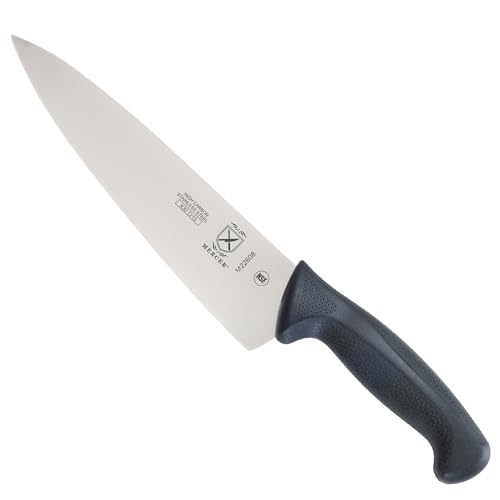
A comfortable handle reduces fatigue during long prep sessions. Look for ergonomic designs with a non-slip grip. Materials like Pakkawood, used by imarku and Brewin, offer a warm, stable feel that resists moisture. Synthetic handles, like the textured finger points on Mercer Culinary knives, provide a secure grip even when wet. The handle should feel balanced in your hand, with the weight centered where you hold it.
Consider the shape of the handle. Some prefer a rounded bolster for a pinch grip, while others like a full bolster for added weight. The PAUDIN Chef Knife features a wood handle integrated with the blade for a seamless transition. For left-handed users, symmetrical handles are often more comfortable. If you are cooking with kids, check out the best knife set for kids for safer options.
Edge Retention and Sharpening
No knife stays sharp forever, but some hold their edge longer than others. Harder steels, like those with higher carbon content, resist dulling but can be harder to sharpen. Softer steels are easier to hone but may need more frequent sharpening. Electric sharpeners, like the Chef’sChoice 15XV, can restore a razor edge quickly. Manual sharpeners or honing rods are also effective for maintenance.
Consider the edge angle. Many Western knives have a 20-degree edge, while Japanese knives often use a 15-degree angle for sharper cuts. The Chef’sChoice sharpener can convert a 20-degree edge to a 15-degree Trizor XV edge for enhanced performance. For best results, use a sharpening system that matches your knife’s steel. If you use nonstick pans, see our guide on the stainless steel pan vs carbon steel pan for compatible cookware.
Versatility and Blade Shape
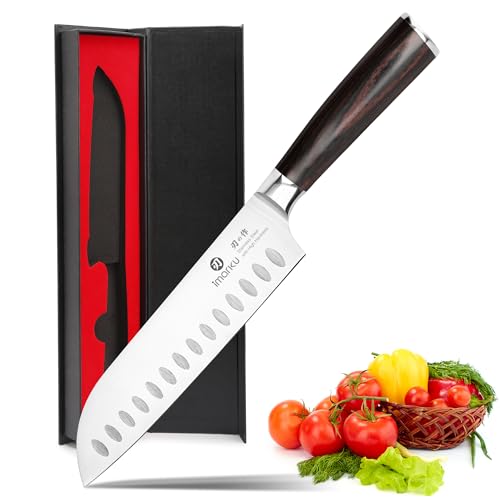
A chef knife should handle a variety of tasks. An 8-inch blade is a versatile length for chopping, slicing, and mincing. A Santoku knife, with a shorter, wider blade and a flat edge, excels at precise cuts and is popular for vegetables. Some knives feature a hollow edge or Granton edge to reduce sticking. The imarku Santoku Knife has scalloped hollow edges that prevent food from clinging to the blade.
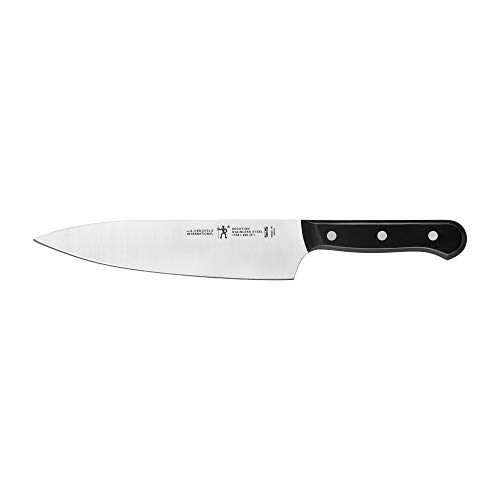
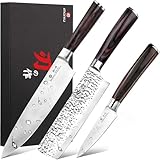
Consider a set if you need multiple knives. The Brewin CHEFILOSOPHI set includes five knives, from an 8-inch chef to a paring knife, covering most kitchen tasks. A single high-quality chef knife, like the HENCKELS Classic, may be enough for many cooks. For air fryer enthusiasts, check our best air fryer toaster oven easy to clean guide for pairing with your knives.
Final Thoughts
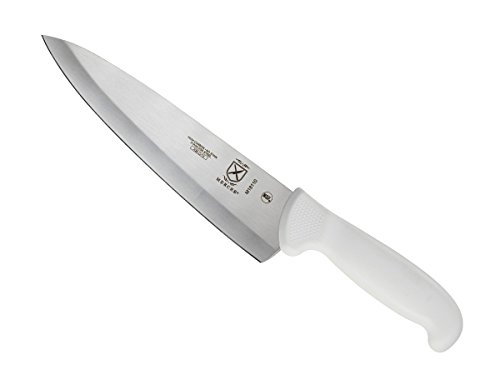
After reviewing the best rated chef knife brands, we recommend the HENCKELS Classic 8-Inch Chef Knife for its balanced forged construction and lasting sharpness, ideal for serious home cooks. For a budget-friendly option, the Mercer Culinary Ultimate White offers surprising quality and comfort for its price, making it a great starter knife. Both brands deliver reliability and performance that will elevate your daily cooking.
Frequently Asked Questions
What is the best chef knife brand for beginners?
For beginners, Mercer Culinary offers affordable, well-balanced knives like the Ultimate White series. They are easy to maintain and provide a comfortable grip, making them a solid choice for learning proper technique. As of 2026, they remain a top pick for value.
How do I choose between a German and Japanese chef knife?
German knives, like HENCKELS, are typically heavier and more durable, with a softer steel that is easier to sharpen. Japanese knives, like imarku, are harder and hold a sharper edge but can be more brittle. Choose based on your cutting style: German for rocking chops, Japanese for precision slicing. For more on knife care, see our best venison pot pie in cast iron skillet recipe.
What is the best chef knife brand for 2026?
The best brand depends on your needs. For professional-grade performance, HENCKELS and imarku lead with high-carbon steel and ergonomic handles. For budget-conscious cooks, Mercer Culinary and PAUDIN offer excellent value. All are among the best rated chef knife brands for 2026.
How often should I sharpen my chef knife?
Sharpen your knife every 1-2 months with regular use, or when it feels dull. Use a honing rod weekly to maintain the edge. Electric sharpeners like Chef’sChoice can restore a razor edge quickly. Proper care ensures your knife lasts for years.