You are tired of eggs sticking to the pan or worrying about chemicals in your cookware. Finding the best safest nonstick fry pan for 2026 means balancing a healthy, non-toxic coating with reliable performance that lasts. This guide covers ten top-rated skillets from brands like Cuisinart, Tramontina, and All-Clad, each chosen for their safety credentials and cooking results. Whether you need a compact pan for omelettes or a large skillet for family meals, we have you covered.
Our team at Cook Gear Lab has evaluated these pans based on coating safety, heat distribution, handle comfort, and overall value. We focused on models that are PFAS-free, PFOA-free, or ceramic-based to ensure your kitchen stays healthy. Read on to find your perfect match.




Buying Guide
Non-Toxic Coating Safety
The most important factor in a safest nonstick fry pan is the coating. Look for pans labeled PFAS-free, PFOA-free, or ceramic-based. These coatings avoid harmful chemicals like PTFE and PFOA, which can release toxins at high heat. The Cuisinart Chef’s Classic and SENSARTE Ceramic pans use ceramic interiors that are naturally non-toxic and safe for daily cooking.
For more on healthy cookware options, check our guide to non-stick pans for eggs and omelettes.
Heat Distribution and Durability
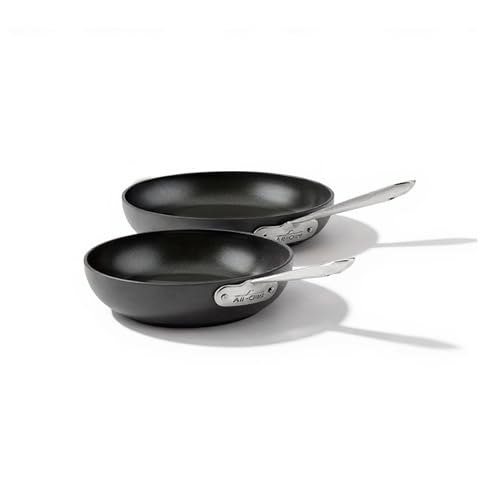
A good nonstick pan must heat evenly to prevent hot spots that burn food. Tri-ply construction, like in Agerma models, uses an aluminum core sandwiched between stainless steel layers for rapid, uniform heating. Hard-anodized aluminum options, such as the All-Clad HA1 set, offer scratch resistance and warp-free performance. Avoid thin pans that dent or warp over time.
For more durable options, see our top enamel cast iron skillet picks.
Handle Comfort and Design
Look for handles that stay cool on the stovetop and provide a secure grip. Riveted stainless steel handles, like on the Cuisinart, offer durability and heat resistance. Detachable handles with silicone sleeves, as seen on Agerma pans, save storage space and allow oven use. Ergonomic designs reduce wrist strain during frequent flipping and stirring.
Compatibility and Versatility
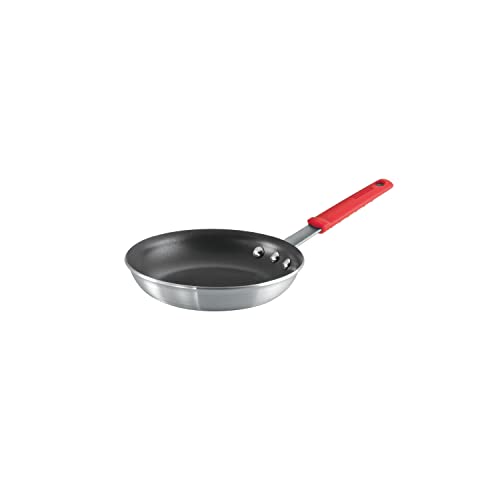
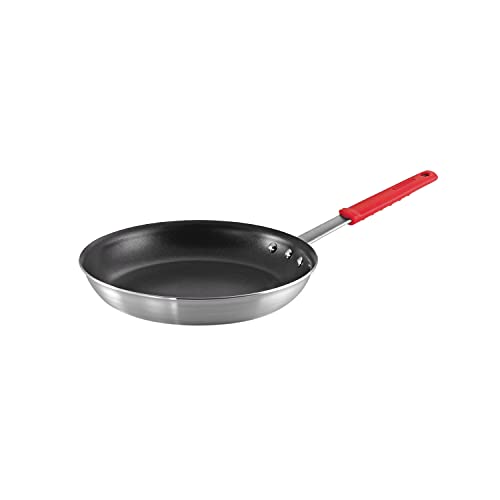
Ensure the pan works with your cooktop. Induction-compatible models have a magnetic stainless steel base, while others are safe for gas, electric, and ceramic glass. Oven-safe pans up to 400–500°F let you finish dishes under the broiler or keep food warm. The Tramontina Professional series is oven-safe to 400°F, and the All-Clad HA1 handles up to 500°F.
For more cookware tips, visit our Cookware category page.
Final Thoughts
Choosing the best safest nonstick fry pan comes down to your cooking needs and safety priorities. For a versatile, family-sized option with a reinforced nonstick coating and detachable handle, the Agerma 12 Inch Nonstick Frying Pan delivers even heating and easy cleaning. If you prefer a classic ceramic skillet that is PFAS-free and oven-safe to 500°F, the Cuisinart Chef’s Classic 8-Inch Ceramic Open is a compact, reliable choice for daily cooking. Both models offer excellent safety profiles and solid performance for 2026.
Frequently Asked Questions
What makes a nonstick fry pan safe?
A safe nonstick pan uses coatings free of PFAS, PFOA, and PTFE. Ceramic coatings are a popular non-toxic alternative. Look for brands that clearly state their coating is free of these chemicals, like Cuisinart and SENSARTE.
How long do nonstick pans last?
With proper care, a quality nonstick pan can last 2–5 years. Avoid metal utensils and high heat above 500°F to preserve the coating. Hand washing with a soft sponge extends its life compared to dishwasher use.
Can I use metal utensils on nonstick pans?
No, metal utensils can scratch and damage the nonstick coating. Use silicone, nylon, or wooden utensils to keep the surface intact. This is especially important for ceramic coatings, which are more delicate than PTFE.
Are ceramic nonstick pans better than traditional ones?
Ceramic pans are a great non-toxic option because they are PFAS-free and release food well. However, they may not be as durable as PTFE-coated pans and can lose nonstick properties faster. For more details, read our guide on skillet care.