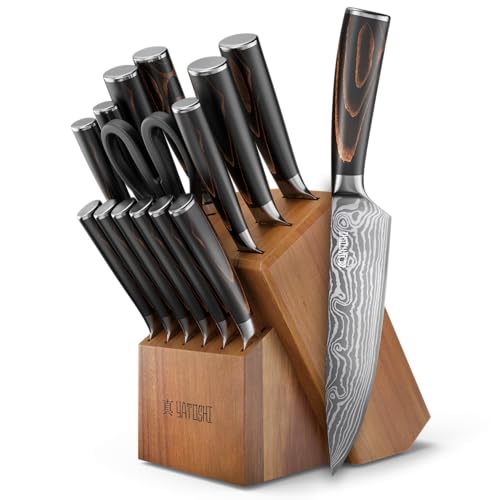
You’ve invested in a quality chef’s knife, but are you using a cutting board that slowly dulls its edge? Many common boards are too hard or too soft, causing blades to lose their sharpness quickly. In this guide, we evaluate the best cutting board for knives, focusing on materials that protect your edge while offering durability and easy maintenance.
Whether you’re a home cook or a professional, the right board can make a huge difference. We’ve reviewed three top contenders: a titanium board, a bamboo set, and a hybrid option. Each has unique strengths, so you can choose the one that fits your cooking style. If you’re also looking for a great knife to pair with your new board, check out our best value chef knife picks.



Buying Guide
When searching for the best cutting board for knives, consider these key factors. We’ve broken down the essentials to help you make an informed choice.
Material and Knife Friendliness
The material of your cutting board directly impacts how long your knife stays sharp. Hard materials like glass or stone can dull blades quickly, while softer woods like bamboo are gentler. Titanium offers a unique balance, being firm yet smooth enough to minimize edge wear.
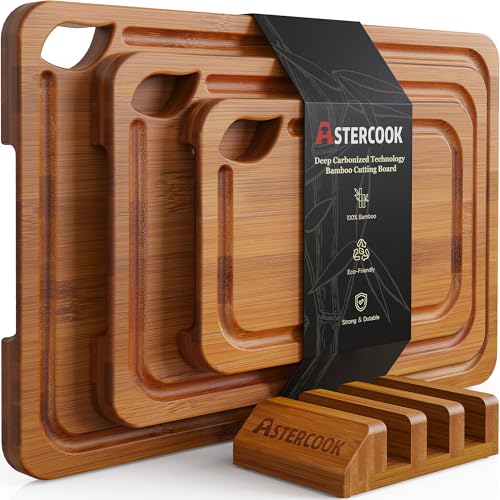
For example, the Titanium Cutting Board for Kitchen from Sumzzz features a smooth titanium surface that reduces friction, helping preserve your knife’s edge. On the other hand, the Astercook bamboo boards are known for being kind to knives while offering a natural cutting feel.
Durability and Maintenance
A cutting board should withstand daily use without warping, cracking, or absorbing odors. Bamboo is naturally resistant to moisture and bacteria, but it requires occasional oiling. Titanium is non-porous, making it resistant to stains and odors, and it’s dishwasher safe for easy cleaning.
If you often prepare meats, consider a board that can handle heavy use. Our titanium cutting board for meat highlights how these boards perform with raw proteins.
Size and Storage
Think about your counter space and storage options. Large boards offer more prep area but can be bulky. Some sets, like the Astercook bamboo set, come with a stand to keep boards upright and organized, saving space.
If you have limited space, a smaller board or a set with multiple sizes might be ideal. Consider how many people you typically cook for and the types of tasks you’ll perform.
Versatility and Extra Features
Look for boards that offer more than just a cutting surface. Double-sided boards let you separate raw and cooked foods, while juice grooves catch liquids from meats and fruits. Some boards include handles for easy carrying or built-in grinding areas.
For example, the Sumzzz titanium board has a juice groove and a garlic grinding area, making it a versatile addition to your kitchen. Similarly, the Astercook boards are reversible, with one side featuring deep juice grooves and the other smooth for serving.
Final Thoughts
After evaluating these options, we recommend the Titanium Cutting Board for Kitchen for its superior knife-friendliness and easy maintenance, making it ideal for everyday cooks who want a hygienic surface. If you prefer a natural material and need multiple boards for different tasks, the Astercook Deep-Carbonized Bamboo Cutting Boards set offers excellent value and durability. Both choices will protect your knives and elevate your food prep experience.
Frequently Asked Questions
What is the best cutting board material for keeping knives sharp?
Wood and bamboo are generally gentler on knife edges compared to hard materials like glass or stone. Titanium is also a great option because it’s smooth yet firm, reducing friction and wear. The best cutting board for knives should have a bit of give, which helps preserve the blade.
Are titanium cutting boards safe for knives?
Yes, titanium cutting boards are safe for knives, provided they have a smooth surface. They are non-porous, which means they won’t harbor bacteria, and they’re gentle enough to maintain your knife’s edge. However, always use a proper cutting technique to avoid any potential damage.
How do I maintain a bamboo cutting board?
Bamboo boards require regular oiling with food-safe mineral oil to prevent drying and cracking. Clean them with mild soap and water, and avoid soaking them. Dry them promptly to keep them in top condition. For more tips, check out our best reasonably priced knife sets guide, which includes care advice for kitchen tools.
Can I use a cutting board for both meat and vegetables?
Yes, but it’s best to use separate sides or separate boards to avoid cross-contamination. Double-sided boards, like the ones we reviewed, allow you to dedicate one side to meat and the other to produce. Always wash thoroughly between uses.
For a comprehensive look at other cookware essentials, explore our top non toxic nonstick frying pans to complete your kitchen setup.