

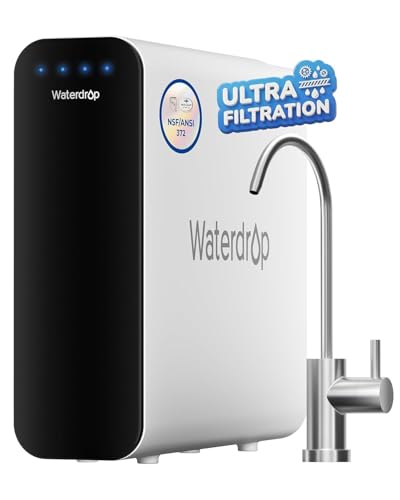
You turn on your kitchen faucet, and the water smells faintly of chlorine or tastes a bit off. Maybe you worry about lead or other contaminants, but the thought of installing a bulky system or spending a fortune on bottled water feels overwhelming. If this sounds familiar, you are in the right place. This guide cuts through the noise to review the best water filter system for kitchen sink options available in 2026. Whether you want a quick faucet-mount solution or a more permanent under-sink setup, we have evaluated top models from trusted brands like PUR, Brita, Waterdrop, and CuZn. For more kitchen upgrades, check out our Kitchen Appliances category.




Buying Guide
Filtration Capability: What Contaminants Does It Remove?
Not all filters are created equal. Some reduce only chlorine taste and odor, while others target lead, microplastics, PFAS, and heavy metals. Look for certifications like NSF/ANSI 42 (for taste and odor) or NSF/ANSI 53 (for lead reduction). If you have well water, ensure the system is compatible. For broader product insights, visit our Best Products page.
Installation and Maintenance: Faucet-Mount vs. Under-Sink
Faucet-mount systems install in minutes without tools and are ideal for renters or those who want simplicity. Under-sink models offer greater filtration capacity but may require drilling or a dedicated faucet. Consider your comfort level with DIY projects. Filter replacement frequency varies from a few months to several years, so factor that into your decision. See our Best Sellers for popular choices.
Flow Rate and Water Pressure
A filter that slows your water to a trickle can be frustrating. Check the flow rate in gallons per minute (GPM). Under-sink systems often provide faster flow than faucet-mount ones. If you frequently fill large pots or water bottles, prioritize a model with a higher GPM. Balanced filtration ensures both purity and convenience.
Filter Lifespan and Cost of Replacement Filters
Long-lasting filters reduce maintenance and long-term costs. Some systems last up to three years or 22,000 gallons, while others need replacement every three months. Compare the price of replacement filters and how often you will need them. A cheaper upfront unit might cost more over time. Look for systems with easy-to-find replacement cartridges. For deals, check our Black Friday page.
Final Thoughts
Choosing the right water filter system for your kitchen sink comes down to your priorities: convenience, filtration power, or budget. For a no-fuss, instant solution that installs in minutes, the PUR Plus Faucet-Mount Water Filtration System excels at reducing lead and chlorine with a simple switch. If you prefer a more robust, long-lasting under-sink setup that handles heavy metals and PFAS, the CuZn UC-200 Under Sink Water Filter offers an impressive five-year filter life and comprehensive filtration. Both deliver cleaner, better-tasting water for your family. For more tips, visit our Blog.
Frequently Asked Questions
How often should I replace my kitchen sink water filter?
Replacement frequency varies by model. Faucet-mount filters typically last 2–4 months, while under-sink units can last from 6 months to 3 years. Always follow the manufacturer’s guidelines and use indicator lights if available. In 2026, many systems include smart reminders to simplify maintenance.
Can a kitchen sink water filter remove lead?
Yes, many models are certified to reduce lead. Look for WQA or NSF/ANSI 53 certification for lead removal. Products like the PUR Plus and Waterdrop systems specifically target lead. Always check the product specifications to confirm.
Is a faucet-mount filter better than an under-sink system?
It depends on your needs. Faucet-mount filters are quick to install and affordable, making them great for renters or small kitchens. Under-sink systems offer higher capacity and often better filtration for contaminants like PFAS and heavy metals. They also free up counter space. Consider your space and water quality concerns.
Do I need a plumber to install an under-sink water filter?
Most modern under-sink systems are designed for DIY installation with push-to-connect fittings and clear instructions. No special tools are required, and many install in under 10 minutes. However, if your plumbing is unusual or you prefer professional help, a plumber can assist. For more guides, visit our Blog.


