

You love the convenience of a nonstick pan, but you’re worried about the chemicals. Traditional nonstick coatings often contain PFAS, known as “forever chemicals,” which can linger in the environment and your body. The good news is that you don’t have to give up easy cooking and cleanup. In 2026, there are excellent non stick pans without forever chemicals that deliver stellar performance.
This guide is for home cooks who want a healthier alternative without sacrificing quality. We’ve reviewed top PFAS-free options from brands like Viking, Cuisinart, and SENSARTE. Whether you’re a beginner or a seasoned chef, you’ll find a pan that fits your needs. For more cookware inspiration, check out our cookware category.
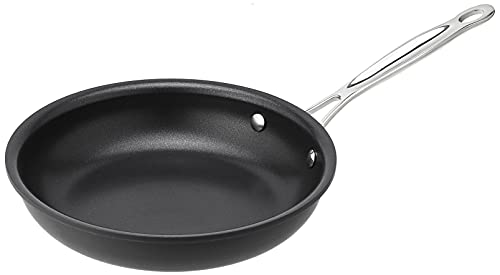



Buying Guide: What to Look for in a PFAS-Free Nonstick Pan
1. Material: Ceramic vs. Titanium vs. Stainless Steel
The core material determines durability, heat distribution, and nonstick performance. Ceramic pans, like the SENSARTE Ceramic Nonstick Frying Pan Skillet, offer a smooth, eco-friendly surface that’s free from PFAS. They heat quickly and are perfect for low-to-medium heat cooking.
Titanium-reinforced surfaces, such as the Viking PureGlide Pro 3-Ply Nonstick Frying Pan, are incredibly scratch-resistant and can handle metal utensils. Stainless steel options, like the FogDream honeycomb pan, provide a hybrid nonstick experience with excellent searing capabilities.
Consider your cooking style. If you love flipping pancakes and eggs, ceramic is a breeze. For high-heat searing, titanium or stainless steel might be better. For a deep dive into stainless steel cookware sets, see our top picks for 5-ply stainless steel.
2. Safety Certifications: PFAS, PFOA, PTFE-Free
Always check for explicit labels like “PFAS-free,” “PFOA-free,” and “PTFE-free.” These certifications ensure that no harmful chemicals are used in the nonstick coating. Brands like SENSARTE and Cuisinart proudly advertise their ceramic surfaces as free from these substances.
Some pans, like the Viking PureGlide, use a patented titanium surface that is naturally PFAS-free. This gives you peace of mind, especially when cooking for children or anyone with health concerns. Always read the product description to confirm safety claims.
3. Heat Tolerance and Oven Safety
Nonstick pans vary in their maximum oven temperature. The Viking PureGlide can withstand up to 600°F, making it ideal for stovetop-to-oven recipes. The SENSARTE pans are oven-safe up to 550°F (without the handle), which is great for frittatas or roasting.
If you often finish dishes in the oven, choose a pan with a higher heat tolerance. Also, consider induction compatibility. Most modern pans, including the FogDream and SENSARTE models, work on induction cooktops. If you’re looking for easy-to-clean appliances, you might also enjoy our air fryer toaster oven picks.
4. Durability and Maintenance
A nonstick pan is an investment, so you want it to last. Ceramic coatings can wear out faster than titanium, but with proper hand washing and using wooden or silicone utensils, they can last for years. The FogDream’s honeycomb surface is designed to be metal-utensil safe, offering extra peace of mind.
Always follow the manufacturer’s care instructions. Most PFAS-free pans are dishwasher safe, but hand washing is recommended to extend the nonstick life. Avoid using cooking sprays, as they can leave a residue that reduces nonstick performance.
Final Thoughts
Choosing the right non stick pan without forever chemicals comes down to your cooking habits and priorities. If you want a premium, durable option that can handle high heat and metal utensils, the Viking PureGlide Pro 3-Ply Nonstick Frying Pan is an excellent investment. For a budget-friendly, versatile choice that’s perfect for everyday cooking, the SENSARTE Ceramic Nonstick Frying Pan Skillet offers great value and safety. Both are PFAS-free and will help you cook healthier without compromising on convenience.
Frequently Asked Questions
What does PFAS-free mean in nonstick pans?
PFAS stands for per- and polyfluoroalkyl substances, a group of chemicals that are resistant to heat, water, and oil. They are called “forever chemicals” because they don’t break down easily in the environment. A PFAS-free pan uses alternative coatings like ceramic or titanium that do not contain these substances.
Are ceramic nonstick pans truly non-toxic?
Yes, ceramic nonstick pans are made from a mineral-based coating that is free from PFAS, PFOA, PTFE, lead, and cadmium. They do not release toxic fumes even when overheated, making them a safe choice for health-conscious cooks. However, it’s still important to use them on low-to-medium heat to preserve the coating.
How long do PFAS-free nonstick pans last?
With proper care, a high-quality PFAS-free pan can last 2 to 5 years. Ceramic coatings may wear out faster than titanium, but hand washing and using non-metal utensils can significantly extend their life. Some brands offer warranties, so check the product details.
Can I use metal utensils on PFAS-free nonstick pans?
It depends on the pan. Titanium-coated pans like the Viking PureGlide are safe with metal utensils. Ceramic pans are generally not, as metal can scratch the surface. The FogDream honeycomb pan is specifically designed to be metal-utensil safe. Always check the manufacturer’s guidelines.
If you have hand arthritis, you might also be interested in our best chef knife for arthritic hands guide for comfortable kitchen tools.


