You are standing in your kitchen, knife in hand, ready to chop an onion for dinner. The question hits you: should you reach for the wood cutting board or the plastic one? This is a common dilemma for home cooks, and the answer depends on what you value most: durability, knife care, hygiene, or ease of cleaning. In this guide, we compare wood cutting boards and plastic cutting boards across key factors to help you make an informed choice. We have evaluated five top products from brands like Winco, Belwares, Royal Craft Wood, Ziruma, and Farberware to give you a clear picture. If you are still unsure, check out our best rated cutting board for more insights.


Buying Guide
Material and Durability
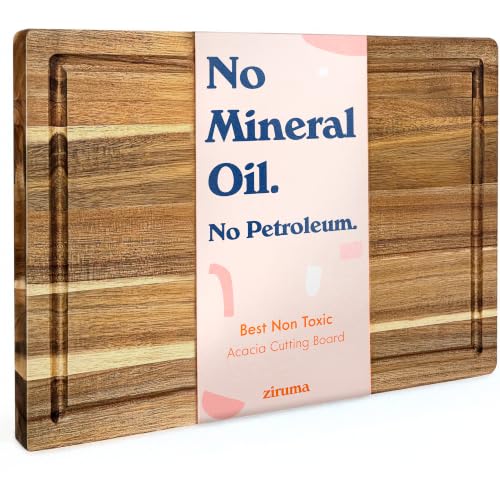
The material of a cutting board determines its lifespan and resistance to wear. Plastic boards like the Winco CBWT-1218 Cutting Board are made from polyethylene, which is non-porous and resistant to staining. They are lightweight and can withstand heavy daily use, but they may show knife marks over time. Wood boards, such as the Composite Wood Cutting Board for Kitchen from Belwares, offer a different kind of durability. Made from compressed wood fiber, they are heat resistant and reversible, but they require proper care to avoid cracking. Acacia wood boards, like the Non-Toxic Acacia Wood Cutting Board from Ziruma, are naturally tough and moisture resistant, making them a long-lasting option.
For a deeper dive into cookware essentials, visit our Cookware category page.
Knife Friendliness
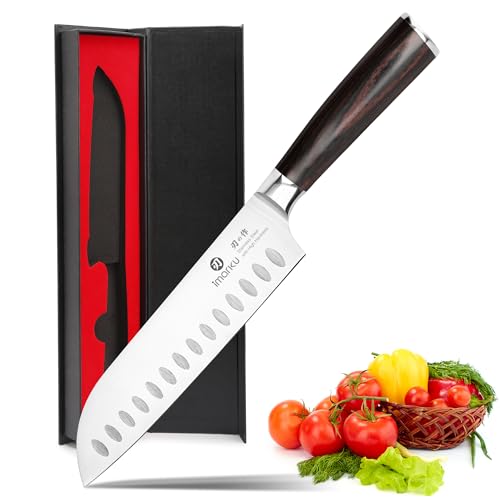
Your knives deserve a surface that does not dull them quickly. Plastic boards are generally harder on blades, causing faster wear. In contrast, wood and wood composite boards are known for being knife-friendly. The Composite Wood Cutting Board for Kitchen features a smooth surface that works with all knife types without dulling them. Similarly, the Non-Toxic Acacia Wood Cutting Board is designed to minimize wear on blade edges. If you value keeping your knives sharp, wood is often the better choice.
Cleaning and Maintenance
Ease of cleaning is a major factor in the wood cutting board vs plastic cutting board debate. Plastic boards like the FARBERWARE Large Cutting Board, Dishwasher and the Winco CBWT-1218 Cutting Board are dishwasher safe, making them incredibly convenient. They resist stains and odors, but they can warp in high heat if not properly made. Wood boards require more care. The Composite Wood Cutting Board for Kitchen is also dishwasher safe and requires no oiling, which is a rarity. Traditional wood boards, like the ROYAL CRAFT WOOD Wooden Cutting Boards for Kitchen, should be hand washed and oiled periodically to maintain their condition.
Hygiene and Safety
Both materials have their pros and cons regarding hygiene. Plastic boards are non-porous, so they do not absorb juices from raw meat, which reduces the risk of cross-contamination. However, knife grooves can harbor bacteria if not cleaned thoroughly. Wood boards have natural antimicrobial properties, but they can absorb moisture if not sealed properly. The Non-Toxic Acacia Wood Cutting Board is finished with natural beeswax and oils, making it food-safe and resistant to bacteria. The Composite Wood Cutting Board for Kitchen has a non-porous surface that rinses clean easily. For raw meat, many experts recommend using a dedicated plastic board that can be sanitized in the dishwasher.
Final Thoughts
After reviewing these options, the choice between wood and plastic comes down to your priorities. For a budget-friendly, dishwasher-safe option that is easy to maintain, the Winco CBWT-1218 Cutting Board is a solid pick. If you prefer a knife-friendly, sustainable material that adds warmth to your kitchen, the Composite Wood Cutting Board for Kitchen offers excellent value and performance. Both are reliable choices for 2026.
Frequently Asked Questions
Which cutting board is better for my knives?
Wood and wood composite boards are generally better for your knives because they are softer than plastic. They help maintain blade sharpness longer. Plastic boards can dull knives faster due to their harder surface.
Can I put a wood cutting board in the dishwasher?
Most traditional wood boards should not go in the dishwasher, as high heat and moisture can cause warping and cracking. However, some modern wood composite boards, like the Composite Wood Cutting Board for Kitchen, are dishwasher safe. Always check the manufacturer’s instructions.
How do I prevent bacteria on my cutting board?
For plastic boards, wash them in the dishwasher or with hot, soapy water after each use. For wood boards, hand wash with mild soap and water, then dry thoroughly. You can also apply a food-safe mineral oil or beeswax finish to seal the wood. For more tips, read our cutting board care guide.
Which cutting board is best for raw meat?
Plastic boards are often recommended for raw meat because they are non-porous and can be sanitized in the dishwasher. Wood boards can also be used, but they require thorough cleaning and sealing to prevent bacteria from seeping into the wood.