

Your induction cooktop demands a pan that can handle its rapid, electromagnetic heat, and not every skillet is up to the task. If you’ve ever watched eggs stick to a warped pan or struggled with uneven searing, you know the frustration. This guide is for home cooks who want a reliable, nonstick skillet that delivers consistent results on induction, whether you’re flipping omelets or searing steaks. We’ve evaluated four top contenders to help you find your ideal match.
We’ll break down what makes each skillet stand out, from heavy-duty construction to eco-friendly coatings, and we’ll give you the key buying criteria to consider. If you’re also exploring other cookware options, check out our guide to the best skillets for a broader perspective.



Buying Guide
Induction Compatibility and Base Construction
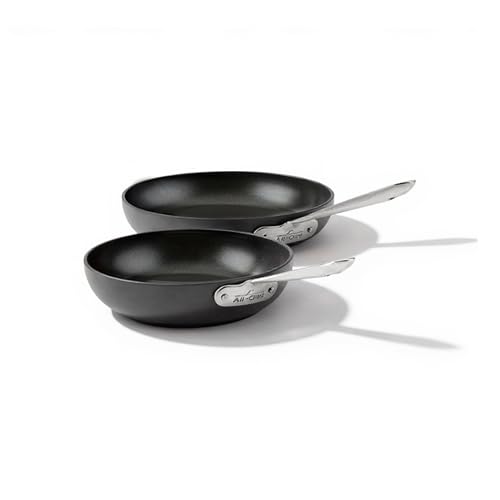
Not all cookware works on induction, so you need a skillet with a magnetic base. Look for a pan that specifically states induction-ready, like the models we’ve reviewed. A heavy-duty cast aluminum or stainless steel base ensures the pan heats quickly and evenly, preventing hot spots that can burn your food.
A warped base is a common issue on induction, so choose a skillet with a thick, flat bottom. This not only improves heat distribution but also extends the life of your pan. For more insights on what to look for, our top frying pans under 100 guide offers additional tips.
Nonstick Coating and Health Considerations
Nonstick surfaces are essential for low-fat cooking and easy cleanup. However, not all coatings are created equal. Many modern skillets use ceramic or granite-infused coatings that are free from PFOA, PFOS, lead, and cadmium, making them safer for your family. If you’re health-conscious, look for a pan with a PFAS-free label.
A super-smooth surface means you can cook with less oil, and food slides right off. This not only promotes healthier meals but also makes cleaning a breeze. Just remember to use wooden or silicone utensils to preserve the coating’s integrity.
Size and Versatility
Consider what you typically cook. A smaller pan (8-10 inches) is perfect for eggs and single servings, while a larger skillet (12 inches) can handle family-sized stir-fries or a whole chicken. Some pans come with lids, which adds versatility for simmering and braising.
Think about storage space too. A deep skillet with a helper handle can double as a sauté pan, saving you cabinet room. If you’re building a cookware collection, you might also want to explore top nonstick skillets for more options.
Handle Design and Oven Safety
A comfortable, heat-resistant handle is crucial for safe and easy maneuvering. Look for a stay-cool handle that provides a secure grip, especially when the pan is full. Some handles are oven-safe, allowing you to transfer the skillet directly from stovetop to oven for finishing dishes.
Check the oven-safe temperature rating if you plan to use your skillet for baking or roasting. A pan with a removable handle or a heat-resistant design offers more flexibility. For more kitchen inspiration, our best kitchen products for home chefs article has you covered.
Final Thoughts
Whether you’re a weekend breakfast enthusiast or a busy weeknight cook, the right induction-ready skillet can transform your cooking experience. For a versatile, large-capacity option that handles everything from searing to stewing, the SENSARTE Nonstick Frying Pan Skillet with Lid is a fantastic all-rounder. If you prefer a lighter, eco-conscious choice for eggs and quick meals, the SENSARTE Nonstick Ceramic Frying Pan Skillet delivers excellent nonstick performance with a natural ceramic coating.
Frequently Asked Questions
Can I use any skillet on an induction cooktop?
No, only cookware with a magnetic base will work on induction. To check, see if a magnet sticks to the bottom of the pan. Many modern skillets are specifically designed with an induction-ready base, so look for that label when shopping.
What is the best material for an induction skillet?
Cast aluminum with a stainless steel base is a popular choice because it heats quickly and evenly. Stainless steel and cast iron also work well, but they may require more oil to prevent sticking. Nonstick coatings make cooking and cleaning easier.
How do I prevent my induction skillet from warping?
Choose a skillet with a thick, heavy-duty base. Avoid sudden temperature changes, like placing a cold pan on a hot burner. Also, make sure the pan is fully flat on the cooktop to ensure even heat distribution.
Are nonstick coatings safe for induction cooking?
Yes, as long as the coating is free from harmful chemicals like PFOA and PFOS. Many modern skillets use ceramic or granite-based coatings that are PFAS-free. Always check the product specifications to ensure safety.


